Singapore Doctors Use Airplane Tech for Shoulder Surgery
Surgeons at Singapore General Hospital are using aerospace engineering technology to revolutionize shoulder replacements, predicting exactly how implants will perform before surgery even begins. Former coach Eric Low, 67, walked out pain-free after benefiting from the innovation.
Imagine if doctors could test your surgery in a virtual reality lab before ever picking up a scalpel. That's exactly what's happening at Singapore General Hospital, where surgeons are borrowing technology from airplane designers to transform shoulder replacements.
The innovation centers on something called finite element analysis, the same method aerospace engineers use to test how wind affects airplane wings. Instead of testing planes, surgeons now use it to simulate how shoulder implants will interact with bone and tissue before operating.
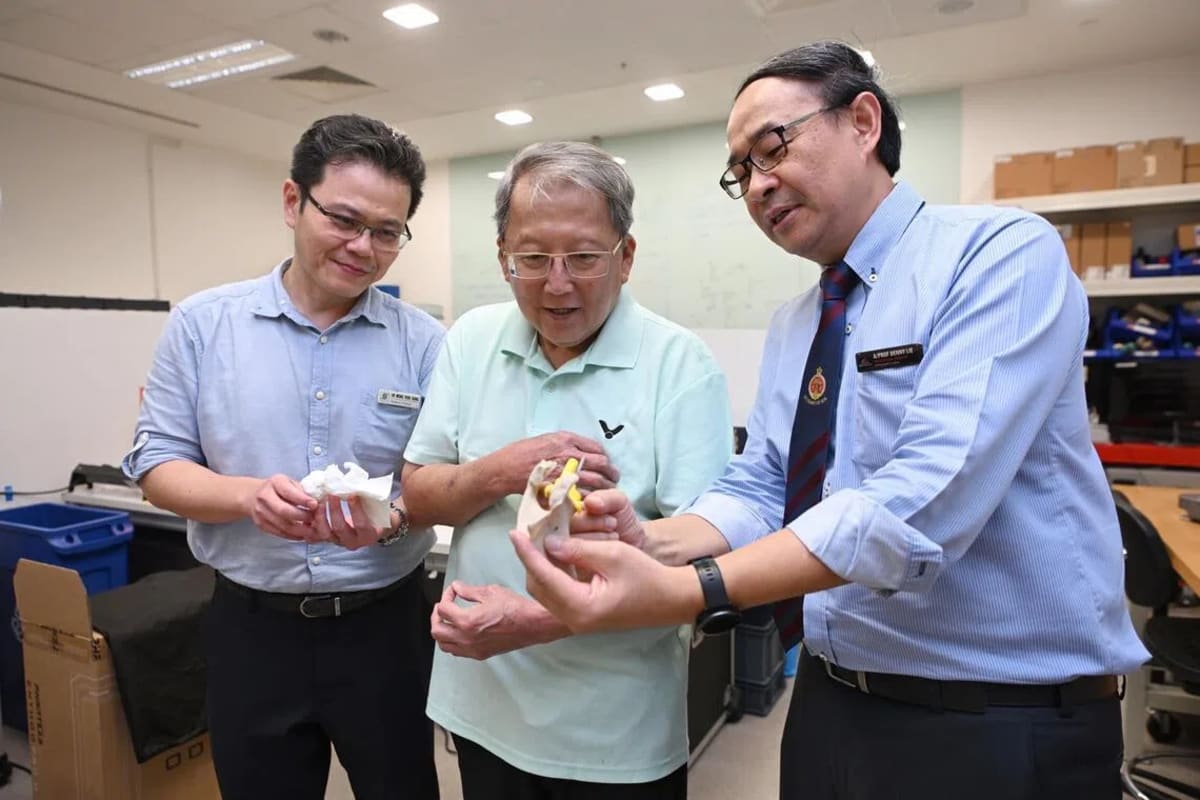
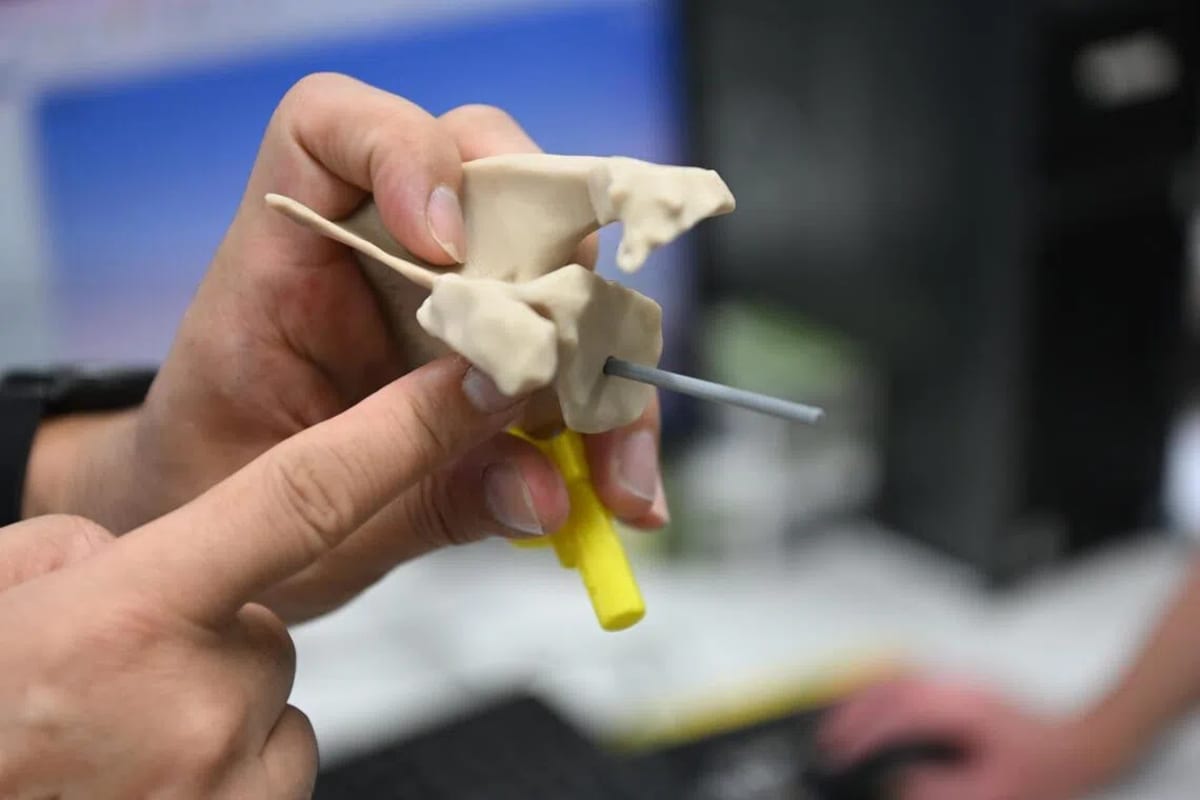
Associate Professor Denny Lie and his team face a unique challenge. Most shoulder implants are designed for Western bodies, but Asian patients, especially women, have significantly smaller bones. The solution? CT scans, virtual surgical planning, and custom 3D-printed guides unique to each patient.
"We rehearsed every surgery on the computer," Prof Lie explained. The team analyzes four to five years of patient data to prepare for each of the 40 shoulder replacements they perform annually. The best part? It doesn't increase costs for patients.
Dr Wong Yoke Rung, a senior research fellow at SGH's Biomechanics Lab, saw the connection to aerospace. Engineers place sensors on airplane models in wind tunnels to measure forces and vibrations. "That set us thinking. Why not use it for biomechanical engineering?" she said.
The technology creates detailed digital models of each patient's shoulder anatomy. Surgeons can then test different implant sizes, positions, and surgical approaches virtually, predicting joint stability and range of motion before the real procedure.
Eric Low knows firsthand how life-changing this precision can be. The 67-year-old former badminton and football coach spent decades pushing his body to the limit. His shoulder first dislocated as a teen during gymnastics, then repeatedly during softball games.
Years of coaching and even guiding climbers up Mount Ophir in Malaysia took their toll. "I would hold on to the rope to stop the plummeting weight," he recalled. "The jerk did not help my already injured shoulder."
After replacing both knees and his right shoulder, Low underwent left shoulder replacement in September 2025 using the finite element analysis. The recovery was painless, and his mobility improved dramatically, allowing him to return to his active lifestyle.
The Ripple Effect
This technology represents more than just better surgeries for individual patients. By creating patient-specific surgical plans, SGH is setting a new standard for precision medicine that could spread across orthopedic specialties. The virtual testing environment means surgeons can optimize outcomes before entering the operating room, potentially reducing complications and recovery times across the board.
What started in aerospace engineering is now giving people like Eric Low their lives back, proving that innovation knows no boundaries when it comes to helping people thrive.
More Images



Based on reporting by Google News - Singapore Technology
This story was written by BrightWire based on verified news reports.
Spread the positivity!
Share this good news with someone who needs it