Singapore Expands Tech-Powered Mosquito Facility by 40%
Google's Debug is supercharging its Singapore mosquito production facility to fight dengue, expanding by 40% after helping slash cases by 70%. The AI-powered approach has already reduced mosquito populations by up to 90% in covered areas.
Singapore's fight against dengue just got a major upgrade, thanks to mosquitoes and artificial intelligence working together to save lives.
Google subsidiary Debug is expanding its Singapore facility from 20,000 to 28,000 square feet to produce even more disease-fighting mosquitoes. The expansion comes after Project Wolbachia helped Singapore achieve a seven-year low in dengue cases, with infections dropping 70% from 13,651 in 2024 to just 4,036 in 2025.
The secret weapon? Male mosquitoes carrying Wolbachia bacteria that prevent eggs from hatching when they mate with wild females.
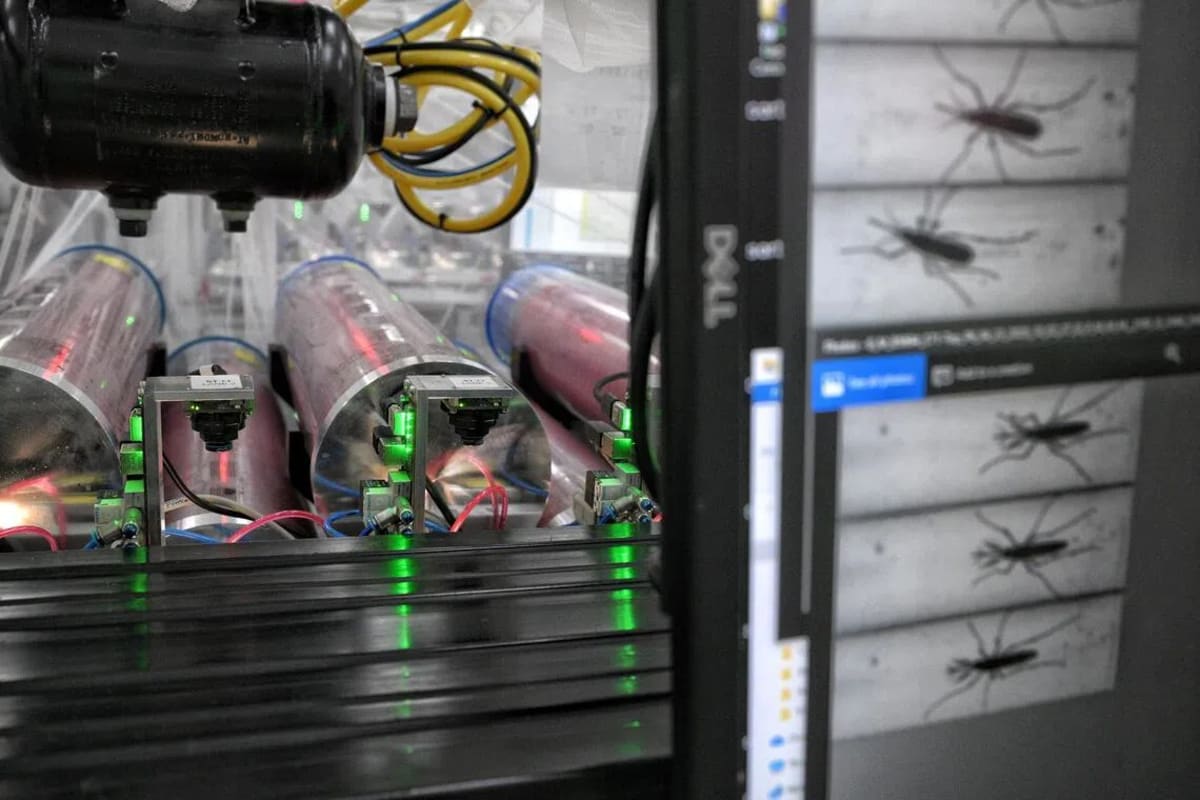
Debug now releases over 10 million specially treated male mosquitoes weekly, up from six million in 2024. The expanded facility will use AI-powered systems to sort mosquitoes by sex and automate releases, allowing production to climb even higher while maintaining quality.
The results speak for themselves. In areas covered by Project Wolbachia, mosquito populations dropped between 80% and 90%, while dengue risk for residents fell by more than 70%.
Debug is hiring software engineers and mosquito biologists to join its team of 20 as it transforms the Kaki Bukit facility into a regional research hub. The company plans to develop solutions for other Southeast Asian countries facing similar challenges with larger populations.
The Ripple Effect
Singapore's success story is catching attention across Asia and beyond. The facility will serve as Debug's first international R&D hub, developing customized approaches for countries like Malaysia, Brazil, and Australia that are also fighting mosquito-borne diseases.
The timing couldn't be better. First quarter 2026 saw dengue cases drop another 30% compared to the previous quarter, with just 410 cases recorded.
Debug is now exploring population replacement strategies for larger countries, where releasing both male and female Wolbachia-carrying mosquitoes could provide more cost-effective solutions. While Singapore focuses on suppression using only males, this alternative approach aims to eventually replace entire disease-carrying mosquito populations with harmless ones.
Google Singapore managing director Ben King emphasized the company's commitment to scaling these solutions across Asia-Pacific and globally. The choice of Singapore as the first international hub reflects confidence in the nation's deep-tech ecosystem and talent pool.
What started as a trial partnership between Singapore's National Environment Agency and Google's parent company Alphabet in 2018 has blossomed into a proven model for fighting one of the world's fastest-spreading tropical diseases.
Sometimes the smallest soldiers make the biggest difference in protecting human health.
More Images


Based on reporting by Google News - Singapore Technology
This story was written by BrightWire based on verified news reports.
Spread the positivity!
Share this good news with someone who needs it