Singapore Has 6 of World's Smartest Factories
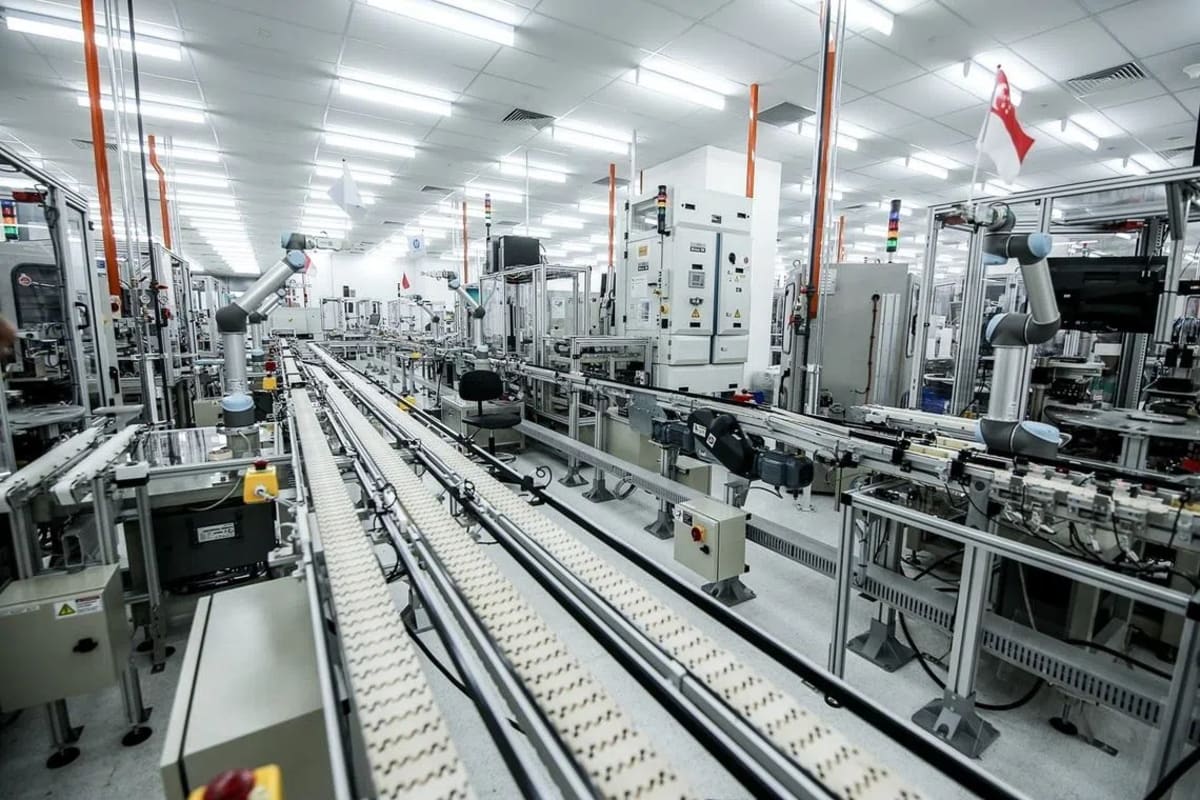
Six manufacturing facilities in Singapore have earned recognition as the world's most advanced factories, the highest concentration in Southeast Asia. These smart factories are using AI and robotics to boost productivity by up to 80 percent while cutting waste and emissions.
The World Economic Forum just recognized six Singapore factories as global manufacturing leaders, proof that the future of production is already here.
These facilities span industries from semiconductors to soft drinks, and they're part of an elite group called the Global Lighthouse Network. Only 201 sites worldwide have earned this designation since 2018, and Singapore now hosts more of them than any other Southeast Asian nation.
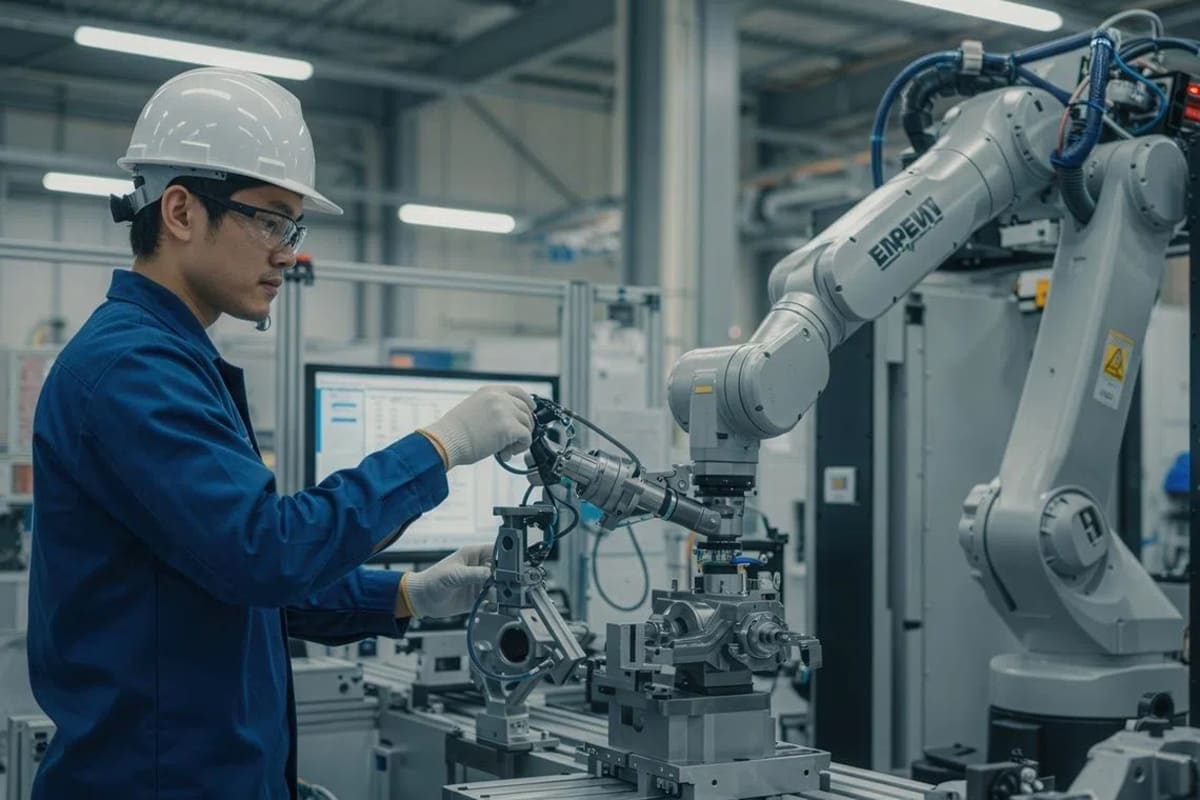
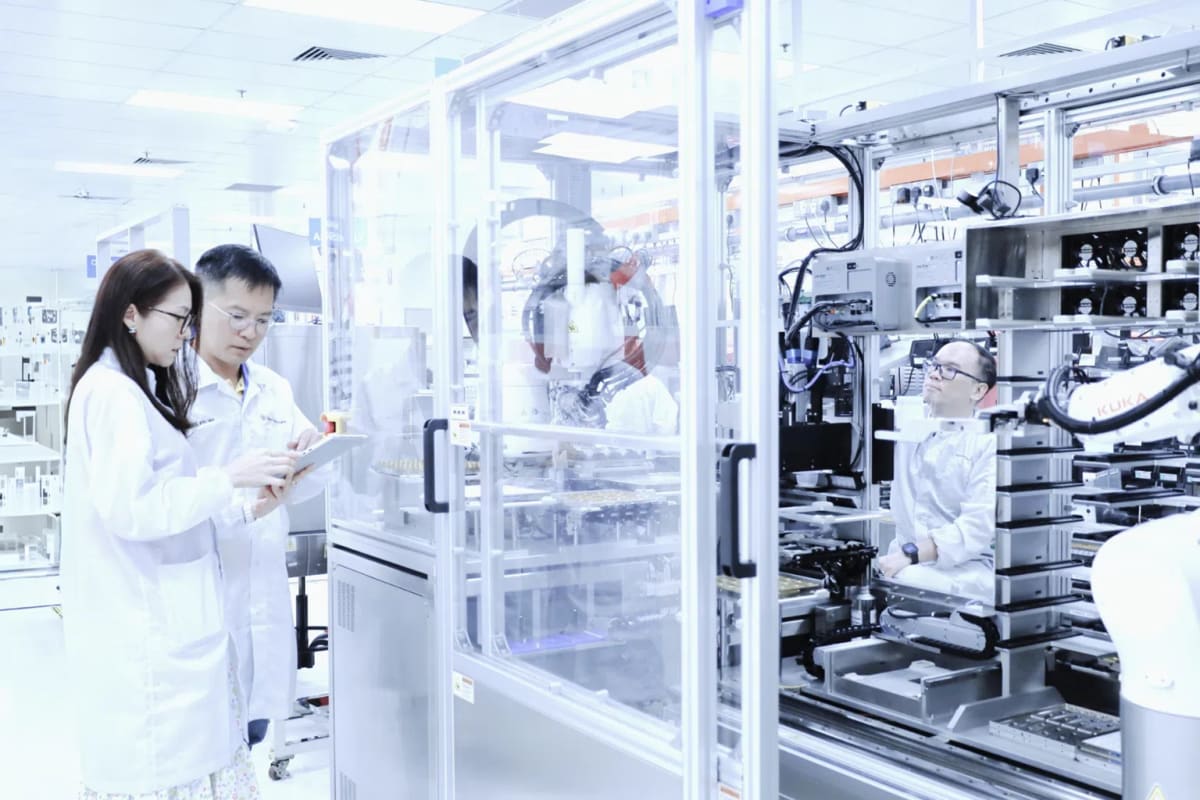
The results speak for themselves. Agilent Technologies boosted productivity by 60 percent and output by 80 percent by deploying AI-powered testing systems that learn from previous results. Their robots now handle complex precision tasks that used to require steady human hands.
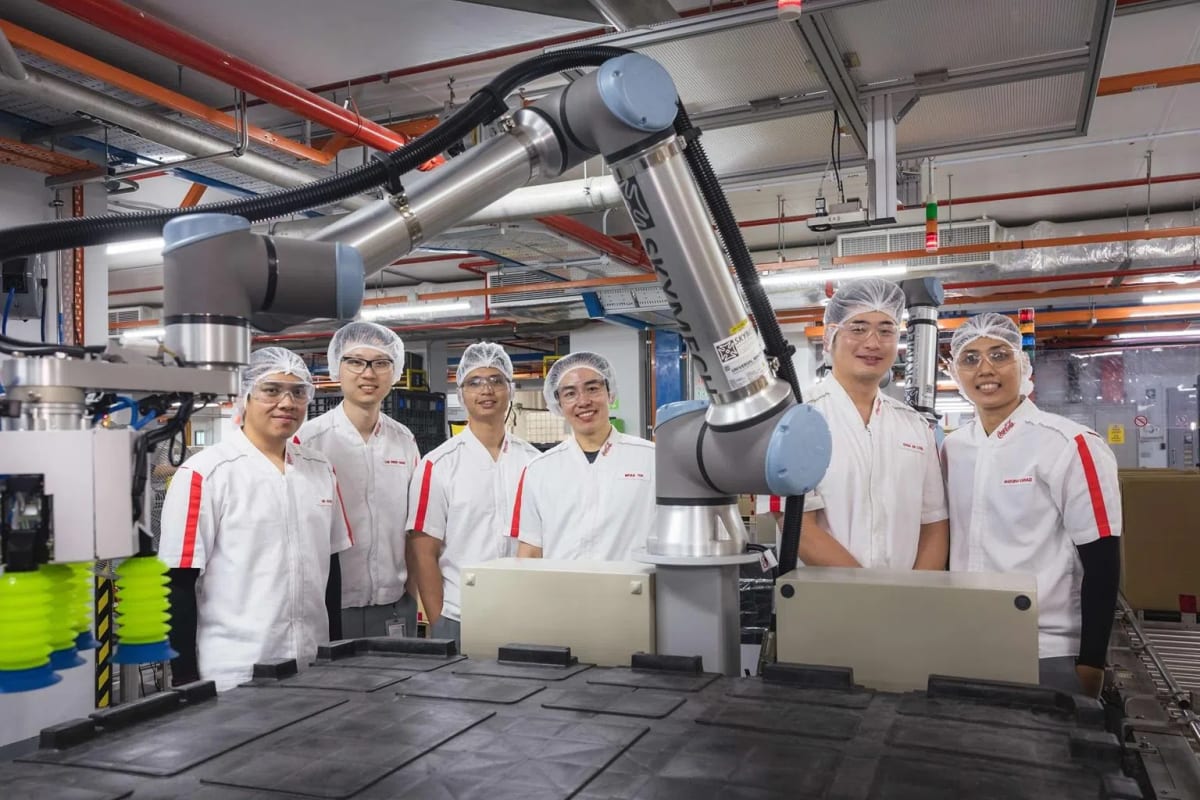
Coca-Cola's Tuas plant took a different approach. They implemented AI forecasting to predict demand and schedule production, then added robots to handle packaging. Labor productivity jumped 70 percent while greenhouse gas emissions dropped 34 percent.
HP's Singapore facility transformed printhead manufacturing from labor-intensive work into a fully automated operation. AI-powered inspection systems now catch defects at the pixel level, while robots handle the repetitive heavy lifting that used to strain workers.
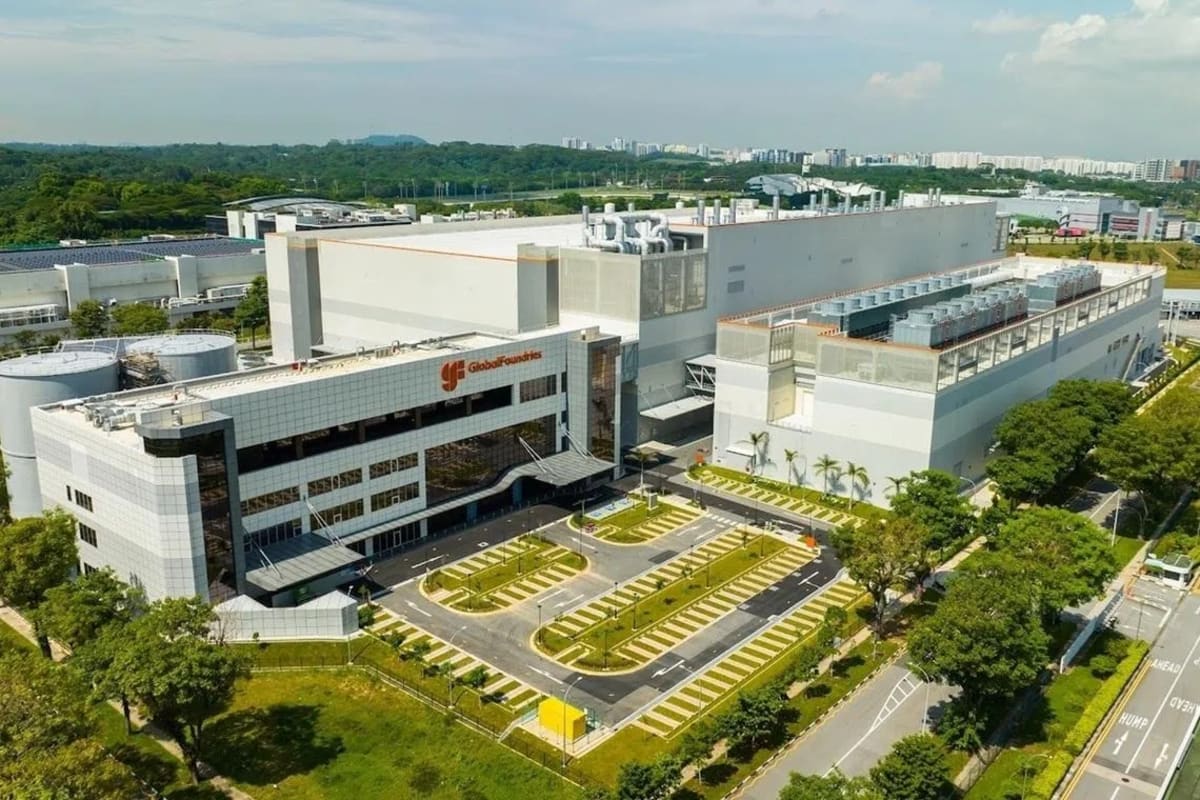
The newest member, GlobalFoundries, joined the network in September 2025. Alongside Infineon and Micron, these semiconductor manufacturers are proving that even the most complex production processes can become smarter and more sustainable.
The payoff comes fast. Recent factories in the network are seeing returns on investment within 10 to 20 months, up to 50 percent quicker than earlier adopters. On average, these facilities achieve 40 percent increases in labor productivity and cut lead times in half.
THE RIPPLE EFFECT
This concentration of smart factories positions Singapore as a manufacturing innovation hub for the entire region. When one facility develops a successful AI application or robotics system, those solutions spread quickly across global networks.
Workers benefit too. These companies invested thousands of training hours, upskilling employees to work alongside AI and advanced robotics rather than replacing them. Coca-Cola logged over 5,000 training hours through its digital academy, creating future-ready talent.
The sustainability gains matter just as much as the productivity wins. By optimizing energy use, reducing waste, and streamlining supply chains, these factories prove manufacturing can grow without growing its environmental footprint.
Singapore's support for adopting and scaling Fourth Industrial Revolution technologies is turning the nation into a testing ground for the factory of tomorrow.
More Images
Based on reporting by Google News - Singapore Technology
This story was written by BrightWire based on verified news reports.
Spread the positivity!
Share this good news with someone who needs it