Singapore Manufacturers Turn to AI to Stay Competitive
Singapore is transforming its factories with AI and robotics to create high-value jobs and stay ahead in global manufacturing. The shift is already helping companies double production while reducing costs and manual labor.
Singapore's manufacturing sector is getting a major upgrade, and the changes are creating thousands of skilled jobs while keeping the country competitive on the world stage.
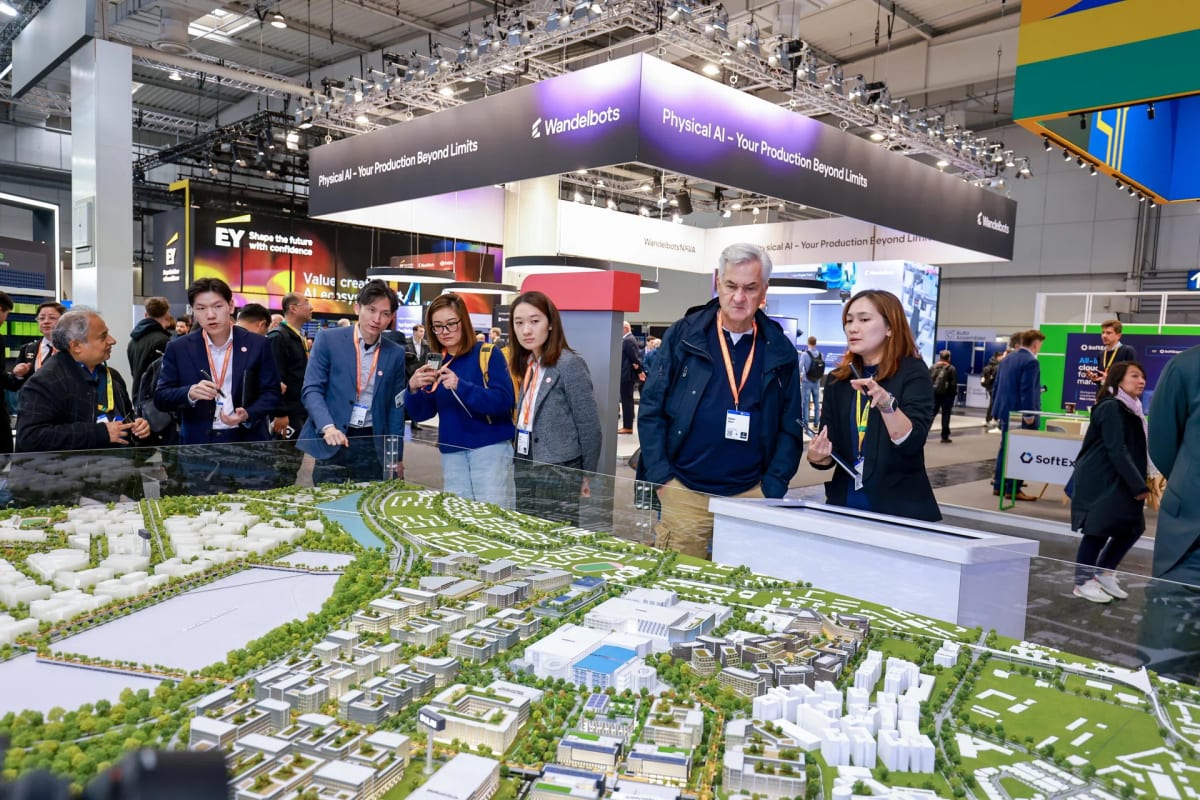
At Hannover Messe 2026, one of the world's largest industrial fairs, Singapore showcased how it's reshaping factories that once relied on manual labor into high-tech hubs powered by AI and automation. The transformation isn't just about fancy robots. It's about creating better jobs and ensuring manufacturing remains a cornerstone of Singapore's economy, accounting for 20 percent of its GDP.
The push comes from real pressures. Singapore has limited land, so every factory must generate maximum value. Regional competition is intensifying, forcing the country to differentiate through smarter, not just cheaper, manufacturing.
For workers, this shift means opportunity. The median monthly manufacturing wage now exceeds $6,000 Singapore dollars, with new roles in automation, robotics, and smart factory operations replacing traditional assembly line work. "Whatever we do on the land has to be quite value-added," said Christine Wong from JTC Corporation, which manages over 80 percent of Singapore's industrial land.
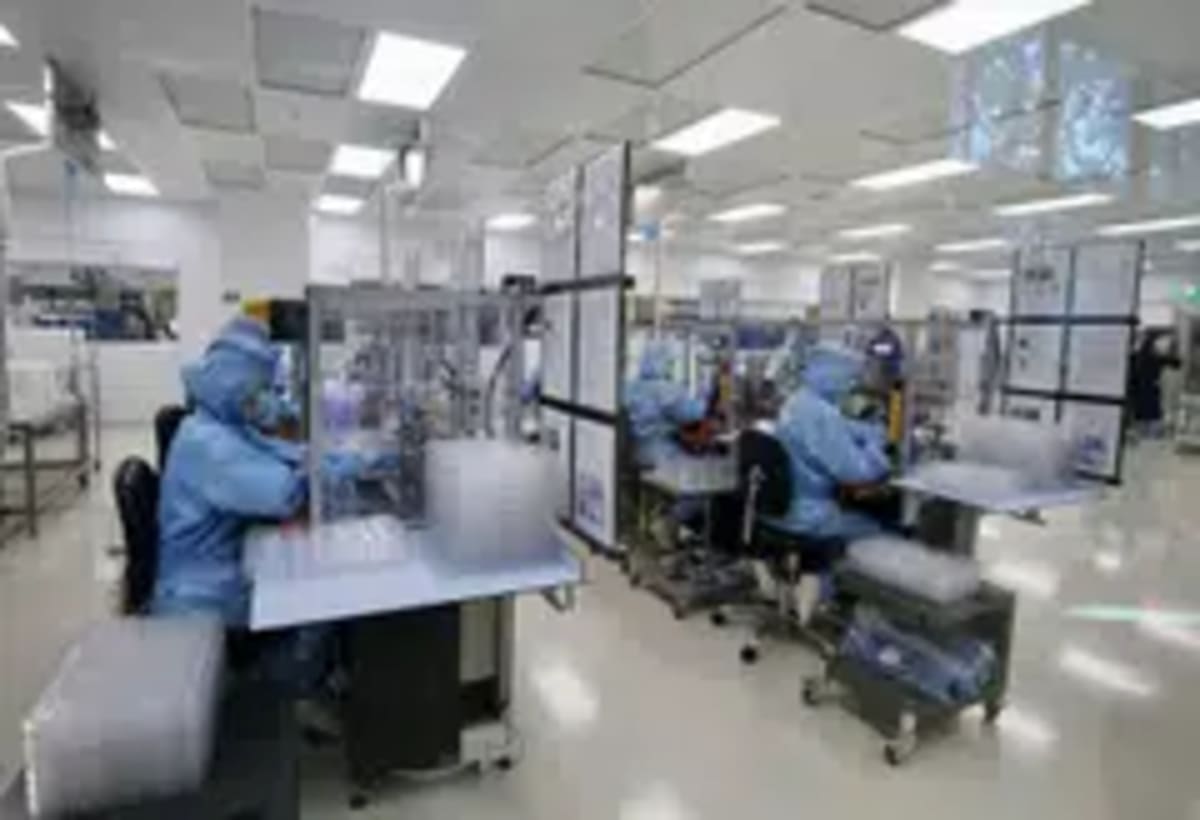
Companies are already seeing results. Precision manufacturer Sunningdale Tech redesigned its contact lens packaging process using AI-powered quality control. The change doubled output from 48 to 96 parts per moulding cycle, enabling production of up to one million parts daily while cutting costs and reducing reliance on manual inspection.
The company partnered with Singapore's Agency for Science, Technology and Research to develop an AI defect-detection system that spots problems humans might miss. These improvements are particularly crucial for medical device manufacturing, where reliability can mean the difference between life and death for patients.
The Ripple Effect
Singapore's manufacturing evolution is creating a blueprint for other small nations facing similar challenges. By focusing on high-value sectors like aerospace, semiconductors, and biomedical sciences, the country proves that limited space doesn't mean limited ambition.
The government's commitment to maintaining manufacturing's 20 percent share of GDP sends a clear signal: factory jobs aren't disappearing, they're evolving. Young Singaporeans now see manufacturing careers as pathways to skilled, well-paid positions in cutting-edge fields rather than dead-end assembly work.
Regional partnerships are strengthening too. Singapore firms are using their advanced capabilities as launching pads for growth across Asia, bringing innovation and job opportunities to neighboring countries while keeping their research and headquarters functions at home.
Innovation hubs like Jurong Innovation District are becoming testing grounds for technologies that could transform manufacturing worldwide, from molecular-level sensing devices to real-time production monitoring systems that catch problems before they become costly failures.
Singapore is proving that the future of manufacturing isn't about doing more with less—it's about doing better for everyone involved.
More Images



Based on reporting by Google News - Singapore Technology
This story was written by BrightWire based on verified news reports.
Spread the positivity!
Share this good news with someone who needs it