Singapore Med School Graduates 135 Doctors from All Fields
Duke-NUS Medical School just graduated its largest class ever, with 135 new doctors and scientists who previously worked in everything from engineering to literature. These career-changers are bringing fresh perspectives to healthcare right when medicine needs it most.
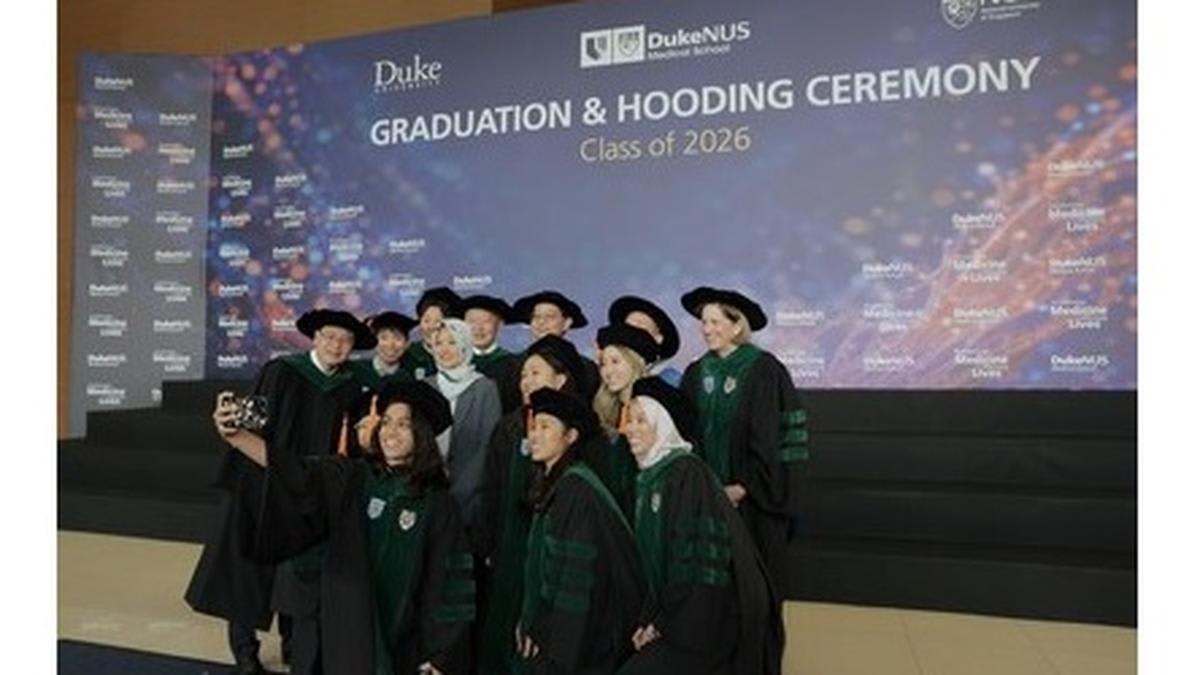
Singapore's Duke-NUS Medical School celebrated 135 graduates this May, marking its largest class since opening in 2005. Among the new doctors are former engineers, business professionals, computer scientists, accountants, historians, and even literature majors who decided to pursue medicine as a second career.
The graduate-entry model welcomes people who've already earned degrees in other fields. This year's graduates include an even split of 39 men and 39 women in the main medical program, plus additional PhD and master's students focused on patient safety and healthcare quality.
What makes these doctors different isn't just where they came from. Every medical student spends their entire third year doing research, and this class proved the value of that time. Together, they published 71 research papers in top journals like Cell, Nature Communications, and The Lancet Microbe.
One standout achievement came from graduate Charles Kevin Dee Tiu, who developed a rapid test that identified COVID-19 antibodies within hours. His paper in Nature Biotechnology has been cited nearly 1,400 times, helping shape pandemic responses beyond Singapore.
But the class didn't just focus on labs and lectures. Students participated in at least 14 community service projects, including medical missions to Nepal and Sri Lanka, health screenings for migrant workers, and a summer camp for children whose family members are battling cancer.
Dr. Chan Kai Lin founded the Women in Medicine student group and helped launch Project WISE, which provides women with health screenings and education on mental health and breast cancer. These initiatives reminded students that healthcare extends far beyond hospital walls.
The Ripple Effect
This diverse approach to medical education is reshaping what it means to be a doctor. Former linguists bring communication skills that help patients understand complex diagnoses. Engineers apply problem-solving to medical devices. Business graduates understand healthcare systems from multiple angles.
Dean Professor Patrick Tan says the school was designed to be different from the start, combining Duke University's and the National University of Singapore's strengths. The goal was creating doctors who think across disciplines at a time when technology, science, and social change are transforming healthcare.
These 135 graduates are now entering a medical field that desperately needs people who can bridge different worlds. They'll practice medicine while also understanding research, innovation, and the broader challenges shaping public health.
Their varied backgrounds mean they see problems from angles that traditional medical training might miss. That diversity of thought could be exactly what healthcare needs as it faces everything from AI integration to global health crises.
Singapore's bold experiment in welcoming career-changers into medicine is paying off with doctors ready to heal, innovate, and lead.
Based on reporting by The Hindu
This story was written by BrightWire based on verified news reports.
Spread the positivity!
Share this good news with someone who needs it