Singapore Program Boosts Kids' Dental Care by 330%
A Singapore preschool health program used tele-dentistry to help low-income families get their kids dental care, and follow-through jumped from 13% to 58%. The secret wasn't just technology but combining it with personal support from teachers and health workers who know each family.
Getting a young child to the dentist is hard enough when money is tight and both parents work long hours. A program in Singapore just proved that the right mix of technology and human touch can turn those odds around.
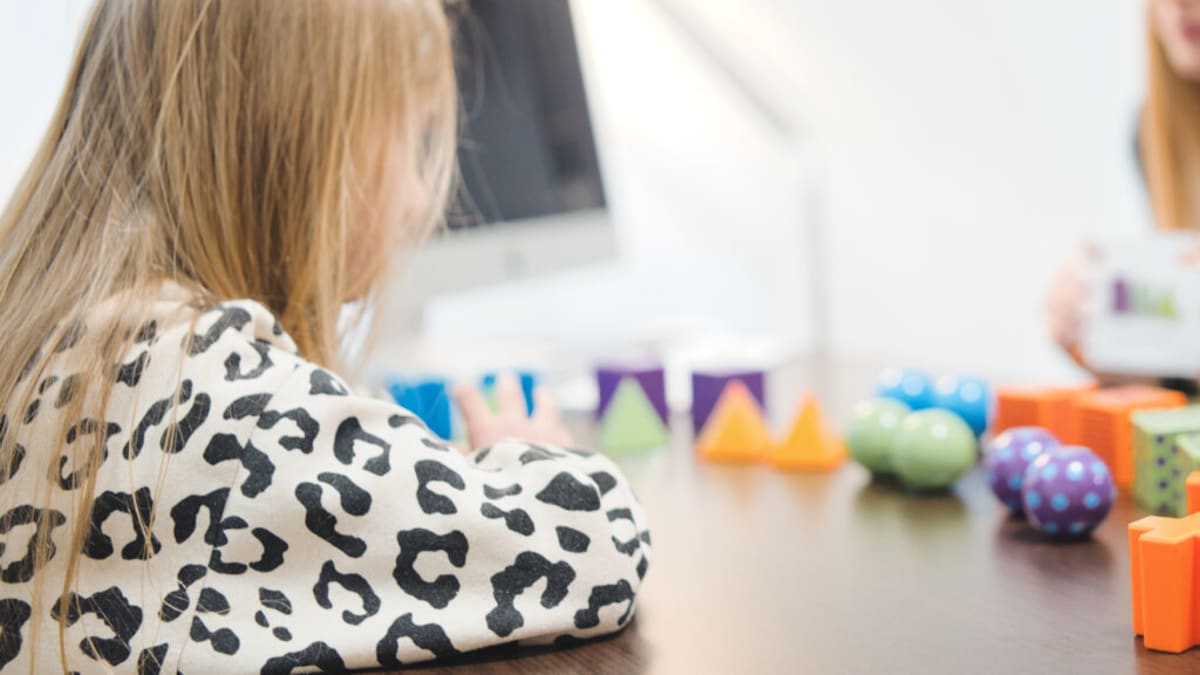
HEADS-UPP, a National University Hospital initiative launched in 2022, brings health screenings directly into preschools serving lower-income families. Instead of waiting for toothaches to force an emergency visit, nurses visit classrooms to photograph children's teeth and send the images to pediatric dentists for remote review.
The dentist creates a personalized report for each family with annotated photos, risk levels, and clear next steps. Parents see exactly what's happening in their child's mouth and why it matters, all explained in plain language.
The results speak louder than any health campaign poster. Among children found to have cavities, 58% received specialist dental care within six months. That compares to just 13% in an earlier study of similar families without the program.
The difference isn't just about convenience. Program lead Chong Shang Chee says the technology works because preschool teachers, social workers, and health teams use shared digital platforms to coordinate care and follow up with families who might otherwise fall through the cracks.
Those relationships matter especially when families face competing pressures. A single missed appointment might mean choosing between a child's checkup and keeping a job, or navigating unfamiliar hospital systems without clear guidance.
Before the program, fewer than half of children from lower-income Singapore families had ever seen a dentist by preschool age, compared to 75% of kids from higher-income households. Even kids identified with active tooth decay rarely made it to follow-up appointments.
The Ripple Effect
Since 2022, HEADS-UPP has reached more than 400 children and trained over 160 professionals in coordinated care across health, education, and social services. The program now partners with Care Corner Singapore and PAP Community Foundation Sparkletots Preschool to expand access.
The team is exploring AI-assisted dental screening and video coaching to help families create language-rich home environments. They're also developing simple goal-setting tools for parents and resources to help teachers support children's health in the classroom.
But Chong emphasizes that technology should enable human care, not replace it. Trust building, navigating sensitive family situations, and helping parents set realistic goals still require people who understand each family's unique context.
The dental program showed that when families receive clear, personalized information and consistent support from people they already trust, preventive care becomes possible even for households where it once seemed out of reach. What started as a tele-dentistry pilot is becoming a model for how technology and human relationships can work together to close health gaps before they widen into lifelong disadvantages.
Based on reporting by Google News - Singapore Technology
This story was written by BrightWire based on verified news reports.
Spread the positivity!
Share this good news with someone who needs it