Singapore Resort Ends Wild Dolphin Sourcing Program
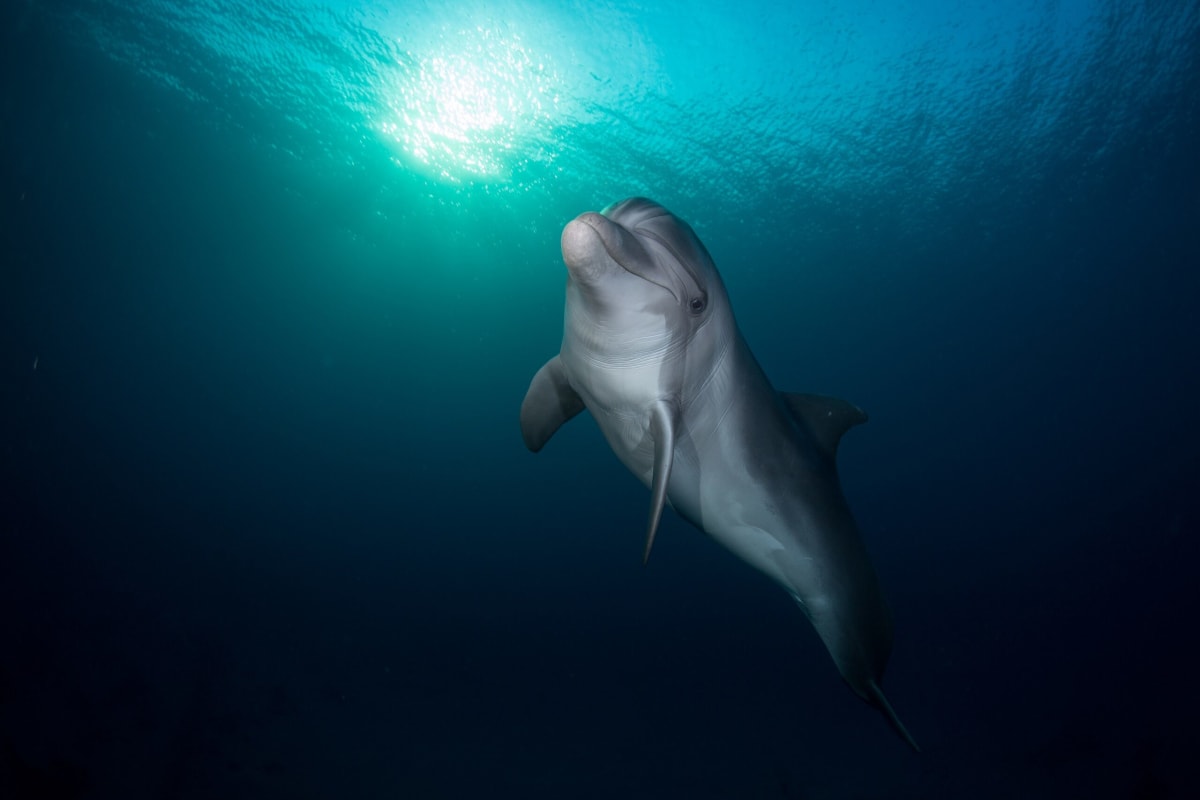
Singapore's Resorts World Sentosa is stopping its wild dolphin sourcing and breeding program, marking a major shift in how the tourism industry treats marine mammals. Animal welfare advocates are calling it a positive step forward, though questions remain about the future of dolphins already in captivity.
One of Asia's most controversial dolphin programs is coming to an end after years of pressure from animal welfare groups.
Resorts World Sentosa in Singapore has quietly halted its practice of sourcing wild dolphins and suspended its captive breeding program, according to insiders. The resort currently holds more than 20 Indo-Pacific bottlenose dolphins in its oceanarium, the youngest being a 7-year-old male named Kenzo.
The facility originally obtained 27 dolphins from the Solomon Islands between 2008 and 2009. At least four died during transit or from infections, sparking international outcry when the exhibit opened to the public in 2013.
Anbarasi Boopal, former co-chief executive of Singapore's Animal Concerns Research and Education Society, called the decision a positive step. She's now pushing for transparency about what happens to the dolphins already living at the facility.
The resort is assembling a panel of experts to determine the best path forward for these animals. While Resorts World Sentosa declined to comment on the program changes, they emphasized their commitment to round-the-clock care from marine mammal specialists and veterinary professionals.
The Ripple Effect
This decision reflects a growing global movement against keeping cetaceans for entertainment. Mexico, Canada, and France have recently banned the practice entirely, signaling a worldwide shift in values.
Sustainability expert Darian McBain noted that companies claiming to be environmental leaders face serious reputational risks by keeping dolphins captive. "No amount of veterinary care or good diet can change their restrictive and unnatural environment," said McBain, former chief sustainability officer of Thai Union Group and the Monetary Authority of Singapore.
The big question now is whether these dolphins could ever return to the wild. Lincoln O'Barry from Dolphin Project, which rehabilitates formerly captive dolphins in Bali, suggested natural sea pens as a first step in assessing their readiness for release.
"Some dolphins can adapt after years in captivity, some can't," O'Barry explained. "It's like prison. Some people walk out after decades like nothing happened, while others can lose their minds."
Staff members who spoke to reporters expressed doubt about the animals' ability to survive in the wild after so long in captivity. Any release would require overcoming significant political and legal hurdles, according to Whale and Dolphin Conservation's Rob Lott.
Singapore's decision shows that even in the heart of the entertainment industry, attitudes about animal welfare are changing for the better.
More Images

Based on reporting by Mongabay
This story was written by BrightWire based on verified news reports.
Spread the positivity!
Share this good news with someone who needs it