Singapore Smart Farms Use AI to Grow Better Food
Fish farms powered by artificial intelligence and automated greenhouses are helping Singapore grow fresher, tastier food while boosting the nation's food security. Smart sensors and data systems are transforming how local farmers raise healthier crops and fish with less land and resources.
Imagine biting into a perfectly crisp vegetable or tender fish that was raised under ideal conditions from day one. That's exactly what Singapore's smart farms are delivering, using cutting-edge technology to grow better food in one of the most land-scarce countries on Earth.
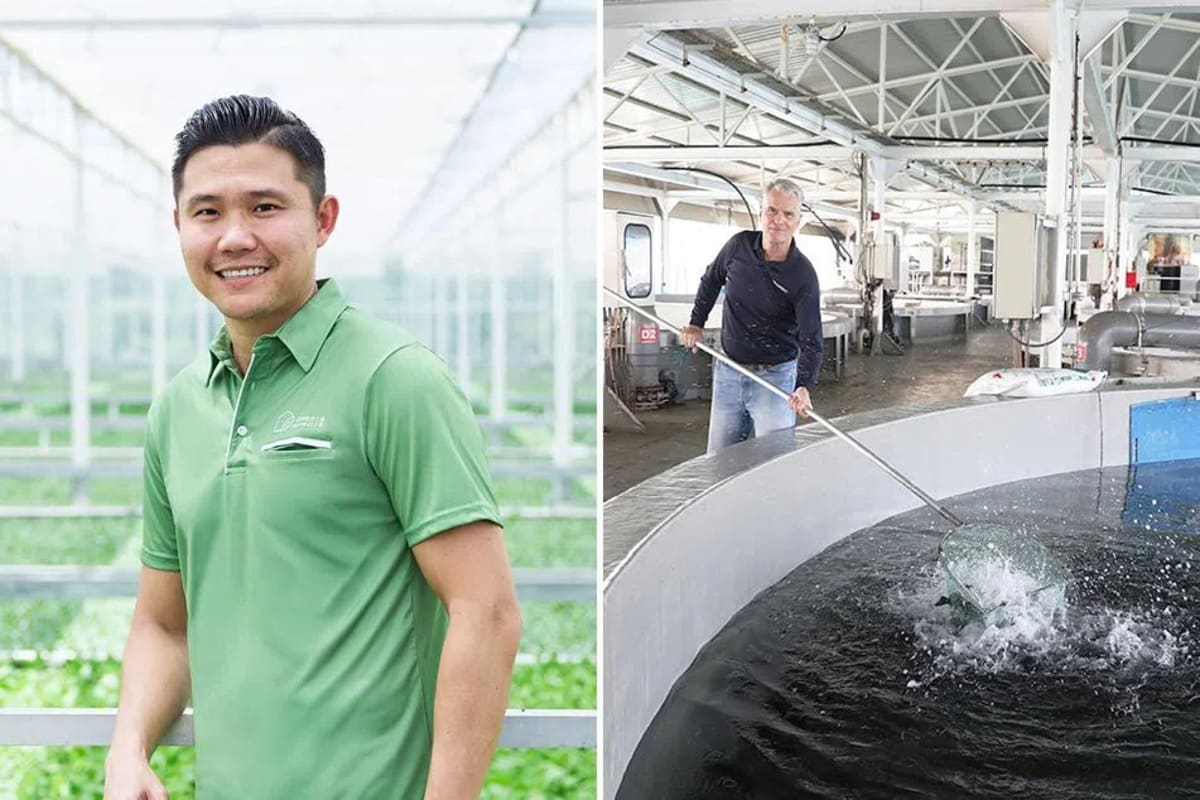
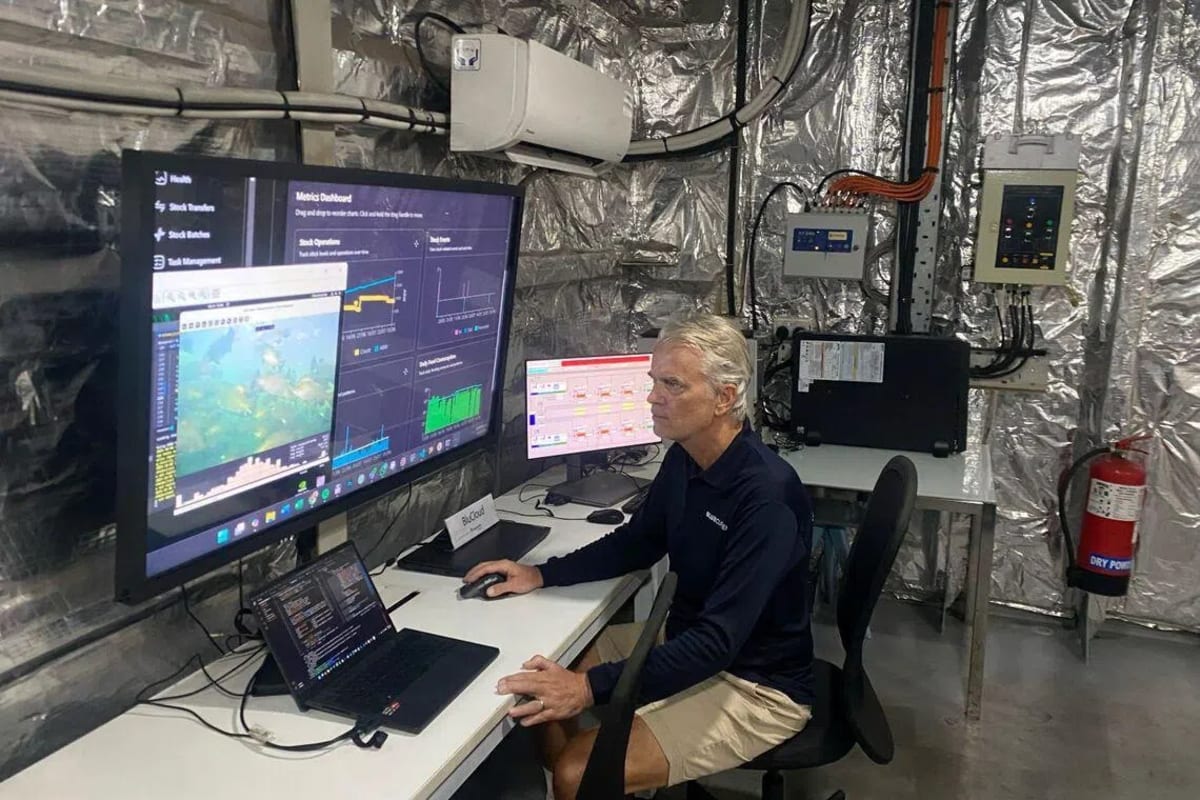
Off the Pasir Ris coast, Singapore Aquaculture Technologies operates floating fish farms where artificial intelligence monitors every detail that affects fish health. Sensors track water flow, oxygen levels, pH balance, and even stress hormones like cortisol in barramundi, grouper, and red snapper swimming in over 60 tanks.
Why does fish stress matter? Just like humans, stressed fish have weaker immune systems and are more vulnerable to disease. High cortisol levels also affect color, texture, and taste, meaning calmer fish literally taste better.
The farm learned this lesson the hard way in 2015 when a midnight pump failure killed more than 20,000 fish. Now automated systems and cloud-based analytics work around the clock, with alarms alerting live-in staff the moment anything goes wrong.
"If you don't have the information, you can only work with experience, guesswork and trial and error," says CEO Dirk Eichelberger. The data revealed that even when farmers thought tank density was fine, the fish were already experiencing stress.
Meanwhile, at Green Harvest's two-hectare greenhouse, director Dave Huang applies similar principles to vegetables. His hydroponic farm uses automated tracks that move plants through 14 production lines, each stretching 130 meters long.
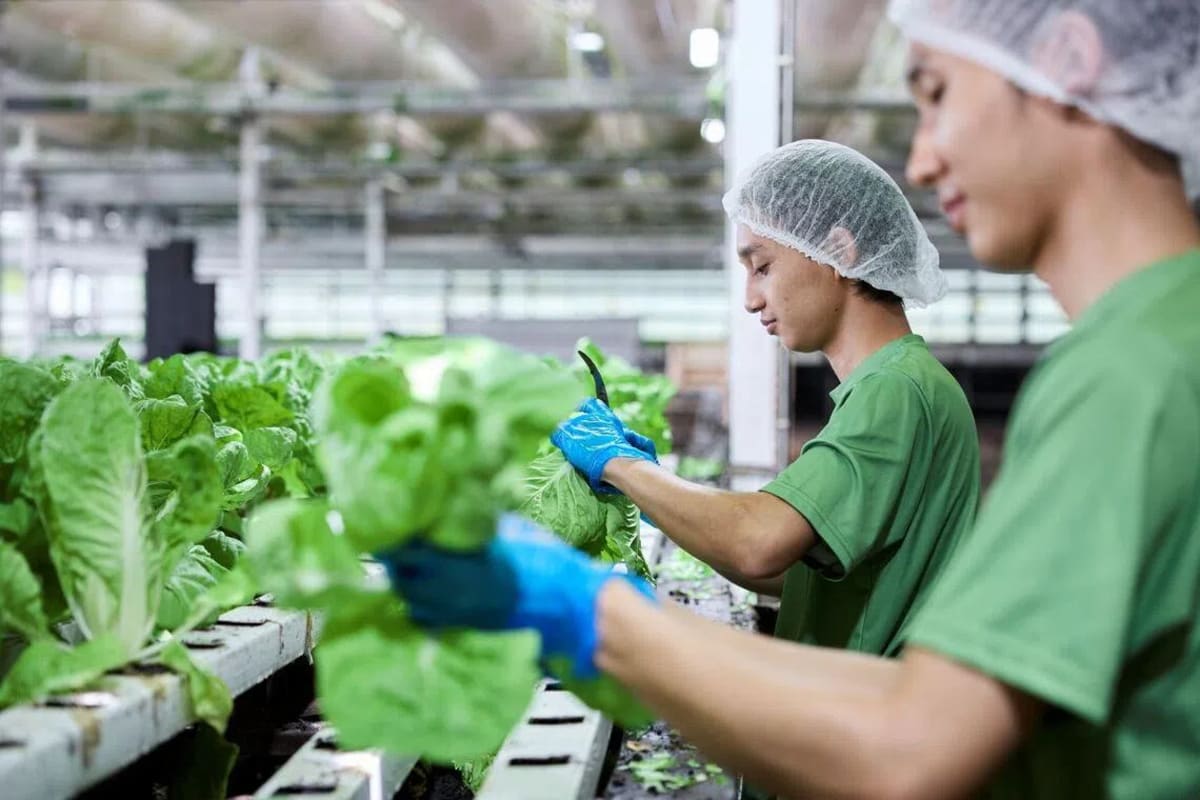
The system adjusts plant spacing as crops grow, creating optimal conditions for crunchier, better-tasting greens. Vegetables are fed balanced nutrients and sea kelp extracts to help them "handle stress better," resulting in healthier, larger plants.
Automation means just six staff handle harvesting while four manage transplanting. The technology eliminates heavy lifting and repetitive bending, making farming safer and less physically demanding.
Huang remembers discarding 40 baskets of vegetables daily for two weeks when a shade curtain malfunctioned and plants overheated. "Once you experience this, you ask yourself what you should do to make sure it doesn't happen again," he says.
The Ripple Effect
These smart farms represent more than just better food. In a nation that imports over 90 percent of its food, local production using technology offers genuine food security. Sensors and automation help farmers do more with less land, water, and labor while reducing waste and environmental impact.
The farms also create meaningful jobs that are safer and more skilled than traditional agriculture. Workers monitor systems, analyze data, and manage technology rather than performing backbreaking manual labor in harsh conditions.
Perhaps most importantly, these innovations prove that small countries with limited resources can still feed themselves. The same cloud-based systems and sensors used in Singapore could help farmers worldwide grow food more efficiently and sustainably.
Singapore's smart farms show that when technology meets agriculture, everyone wins: farmers grow better crops, consumers get fresher food, and nations build resilience for an uncertain future.
More Images

Based on reporting by Google News - Singapore Technology
This story was written by BrightWire based on verified news reports.
Spread the positivity!
Share this good news with someone who needs it