Singapore Startup's Smart Mobility Device Avoids Collisions
A new mobility device uses lidar and cameras to help people navigate safely, stopping before collisions happen while keeping riders in control. At $7,500, it's bringing aerospace-grade safety to everyday movement.
Getting around shouldn't drain your energy, whether you're aging, tired, or facing mobility challenges. A Singapore startup just unveiled a smart mobility device that treats navigation like a partnership between person and machine.
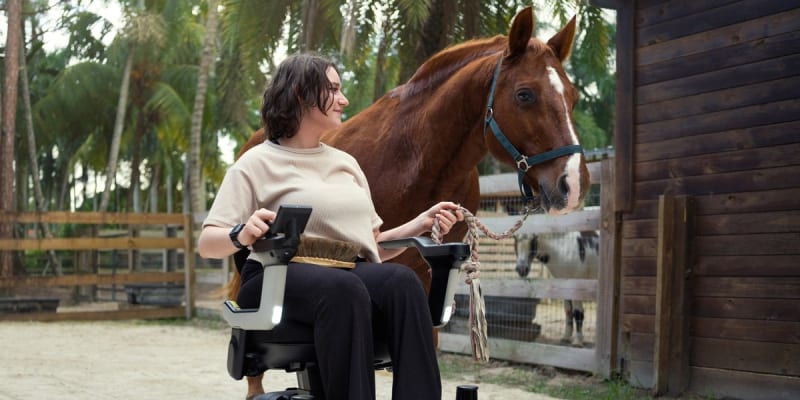
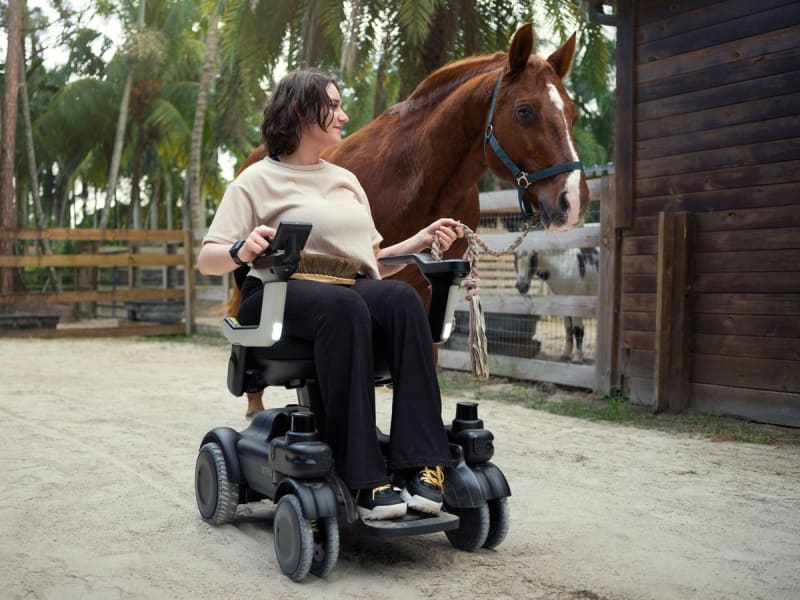
Strutt's EV1 looks like a sleek electric scooter but thinks like a safety copilot. The device packs two lidar units, two cameras, and 16 other sensors into a frame that can chart safe routes through crowded rooms or busy sidewalks. When obstacles appear, it either stops or steers around them while keeping you moving forward.
"The user is always responsible and can take control instantly," says Tony Hong, Strutt's CEO and cofounder. He spent years building lidar systems for drones before realizing aging populations across Asia, Europe, and North America needed similar technology to stay mobile.
The system works three ways. In manual mode, you steer completely while vibrations warn you about nearby walls or furniture. Copilot mode stops you before impact. Copilot Plus actually navigates around obstacles while you point the general direction.
The voice command feature feels almost futuristic. Say "Go to the fridge," and the EV1 calculates a safe path and drives there at three miles per hour, threading through doorways with centimeter precision. You can override anytime with the joystick.
Hong's team designed the device for privacy too. All computing happens onboard, not in the cloud. Camera and microphone lights show when they're active, and nothing transmits unless you choose to upload diagnostic logs.
The battery lasts 20 miles on a single charge, enough for a full day of errands and indoor movement. A smaller airline-friendly version covers 10 miles. Both charge to 80 percent in two hours.
Why This Inspires
This technology represents something bigger than just another mobility device. Hong took sensor systems originally designed for flying drones and reimagined them for helping people move through their own homes and neighborhoods with confidence.
The device passed two million roller cycles in testing, proving it can handle years of daily use. That durability matters when independence depends on your mobility device working every single day.
The $7,500 price remains a challenge. Erick Rocha from Disability Voices United rightly notes that many people who need mobility devices rely on Medicaid, which has complex approval processes that vary wildly by state. Insurance coverage frameworks for AI-assisted devices are still catching up to the technology.
But Hong isn't calling this a wheelchair. He calls it an everyday vehicle, and that shift in thinking matters. It positions mobility assistance as something that helps everyone conserve energy and move safely, not just people with disabilities.
As populations age globally, technology that extends independence becomes more valuable. The EV1 shows how sensors once reserved for aerospace can make everyday movement safer and less exhausting. That future where getting around takes less effort and stress is arriving, one smart device at a time.
More Images
Based on reporting by IEEE Spectrum
This story was written by BrightWire based on verified news reports.
Spread the positivity!
Share this good news with someone who needs it