Singapore Study: Retrofitting Buildings Cuts Emissions 70%
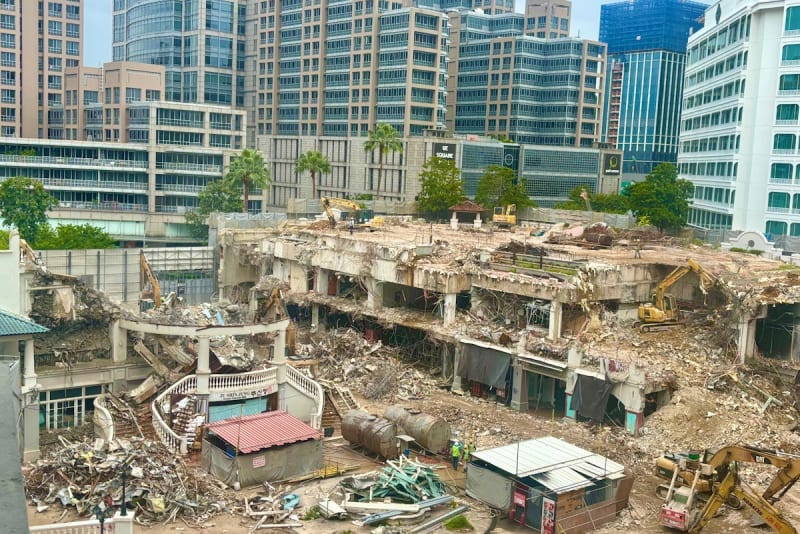
Renovating existing buildings instead of demolishing them could slash Singapore's construction emissions by nearly 70 percent, according to breakthrough research. The findings challenge the city's rebuild-first culture and point toward a greener future for urban development.
Singapore might have found a surprisingly simple way to dramatically cut its carbon footprint: stop tearing down perfectly good buildings.
New research from Singapore University of Technology and Design shows that retrofitting existing structures instead of demolishing and rebuilding them can reduce embodied emissions by nearly 70 percent. Embodied emissions are the carbon pollution generated throughout a building's life cycle, from mining raw materials to construction to eventual disposal.
The researchers studied Coliwoo Bugis, a 1970s office block transformed into modern co-living space. By keeping the original structural frame, the project avoided 2,552 tonnes of carbon dioxide, equivalent to taking hundreds of cars off the road for years. Over a typical 30-year lifespan, this approach lowered total emissions by 11 to 15 percent.
The biggest wins came from retaining foundations, columns, beams, and slabs. Concrete-related emissions dropped by 92 percent, while metal use fell by 64 percent. Even interior finishes showed reductions as high as 87 percent.
Here's the puzzle: despite these benefits, demolition remains Singapore's default choice. Some shopping malls get torn down after just 11 years, even though most buildings are designed to last 60 to 90 years. The average building lifespan in Singapore is only 33 years.
Assistant Professor Peter Ortner explains that as a young city, Singapore grew primarily through new construction. But as available land becomes scarce and existing buildings age, adaptive reuse will become increasingly necessary and valuable.
The Ripple Effect
The shift toward renovation could transform more than just carbon counts. Better carbon accounting tools could reshape how Singapore approaches urban development entirely, creating incentives for preservation over demolition.
The researchers recommend three changes: set carbon intensity limits for new projects, update Green Mark certification to reward keeping existing structures, and introduce green finance incentives that make renovation more attractive to developers. Singapore has already greened 2,590 buildings as of March 2025, working toward an 80 percent green building goal by 2030.
Right now, developers face clearer regulations and more predictable returns when they rebuild. Current policies focus heavily on energy efficiency but largely ignore embodied carbon, even though it represents 40 percent of a building's environmental footprint.
As Singapore's buildings become more energy efficient, the carbon cost of construction materials will matter even more. The research suggests the city may be significantly underreporting emissions from new construction, with one carbon calculator underestimating embodied carbon by 46 percent.
The path forward combines environmental necessity with practical opportunity: Singapore can meet its climate goals while preserving the character and affordability that make neighborhoods livable.
More Images



Based on reporting by Google News - Singapore Technology
This story was written by BrightWire based on verified news reports.
Spread the positivity!
Share this good news with someone who needs it