Singapore Tests Tech to Protect Abused Kids at Home
Singapore is pioneering wearable technology that could detect when children returning home after abuse are in danger again, alerting trusted adults before tragedy strikes. The $80,000 pilot program aims to give child protection officers real-time data to intervene faster and potentially help kids safely reunite with families sooner.
Singapore is turning to technology to answer one of child protection's toughest questions: how do we keep kids safe after they return home from abusive situations?
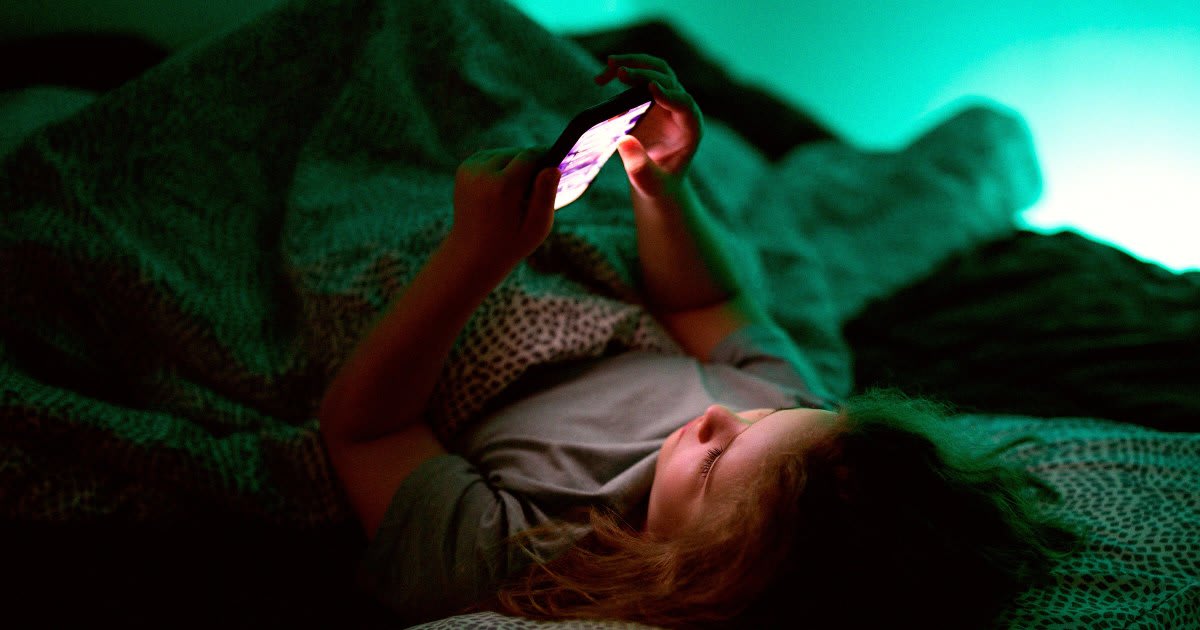
The Ministry of Social and Family Development just launched a pilot program to test wearable devices and environmental sensors that could detect early warning signs of abuse. The technology would monitor changes like elevated heart rates, unusual vital signs, and concerning sounds such as hitting or prolonged crying.
When children are removed from abusive homes in Singapore, they stay in foster care or children's homes while social workers help parents address harmful behaviors. The heartbreaking challenge comes during reunification, when kids go back home.
Right now, protection officers rely on home visits and regular check-ins to monitor these vulnerable children. But there are inevitable gaps between visits when officers can't see what's happening behind closed doors.
The new technology could fill those gaps by providing continuous monitoring and instant alerts to trusted adults. Think of it like a safety net that catches problems before they escalate into tragedies.
Singapore is investing $80,000 to build a working prototype that combines different monitoring technologies. The government emphasized this isn't about replacing human judgment but enhancing it with better information.
The Ripple Effect
This innovation could fundamentally change child protection in unexpected ways. With better monitoring assurance, social workers might feel confident returning children home sooner in borderline cases, reducing time kids spend separated from families who are genuinely working to change.
The technology could also provide accountability that helps parents succeed. Knowing there's oversight might motivate struggling families to reach out for help before crisis moments, rather than after.
Singapore announced this pilot as part of a larger $15 million, three-year investment in child protection innovation. The ministry wants to use data and technology to identify at-risk families earlier, before abuse ever happens.
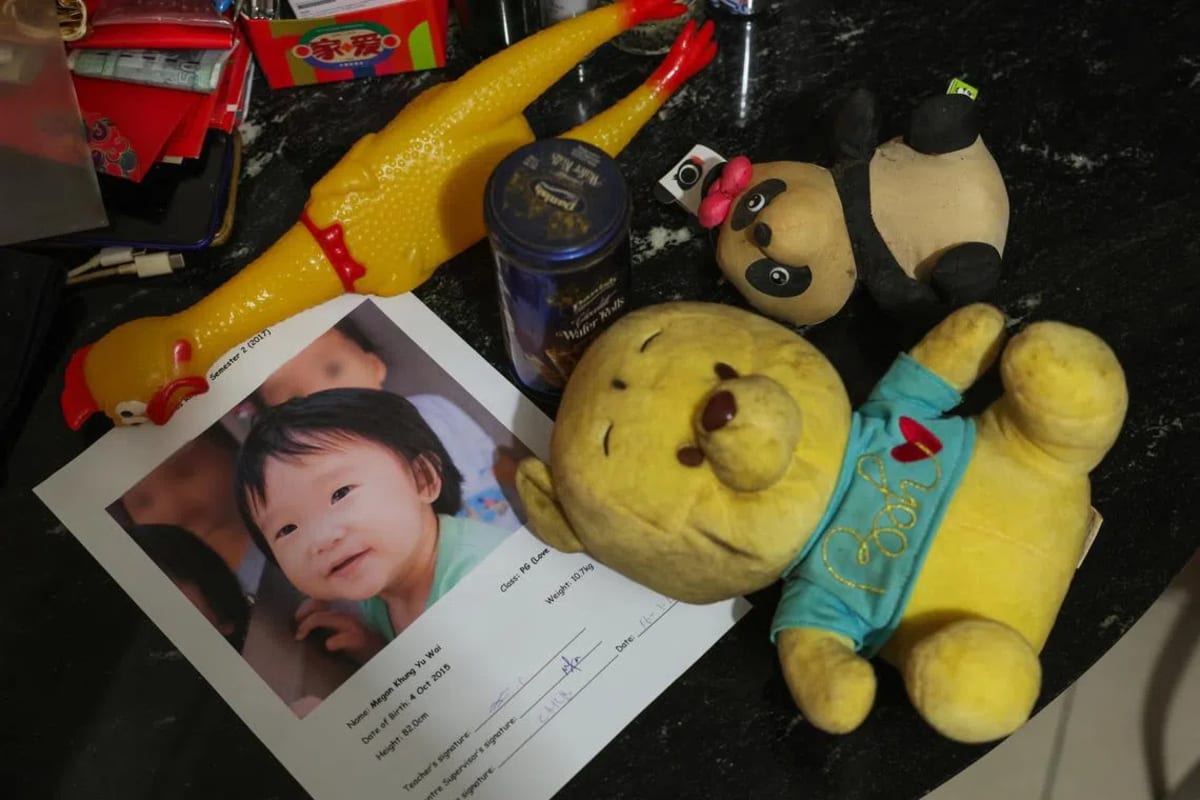
The timing reflects lessons learned from past tragedies. An independent review of one heartbreaking case revealed gaps across agencies and prompted sweeping reforms to Singapore's entire child protection system.
The government is realistic about challenges ahead. Officials acknowledge the technology might not be mature enough yet or suitable for such sensitive applications, and they're committed to rigorous testing with appropriate oversight.
Multiple technology companies can submit proposals through Singapore's government innovation platform, tapping a broad ecosystem of creative solutions.
If successful, this could become a model for child protection agencies worldwide facing the same impossible balance: keeping kids safe while preserving families whenever possible.
More Images




Based on reporting by Google News - Singapore Technology
This story was written by BrightWire based on verified news reports.
Spread the positivity!
Share this good news with someone who needs it