Singapore Turns E-Waste and Plastic Into Green Infrastructure
Major global companies are partnering with Singapore startups to transform waste into valuable resources while slashing carbon emissions. From robots sorting electronic waste to medical plastics paving roads, these collaborations are proving sustainability drives profit and growth.
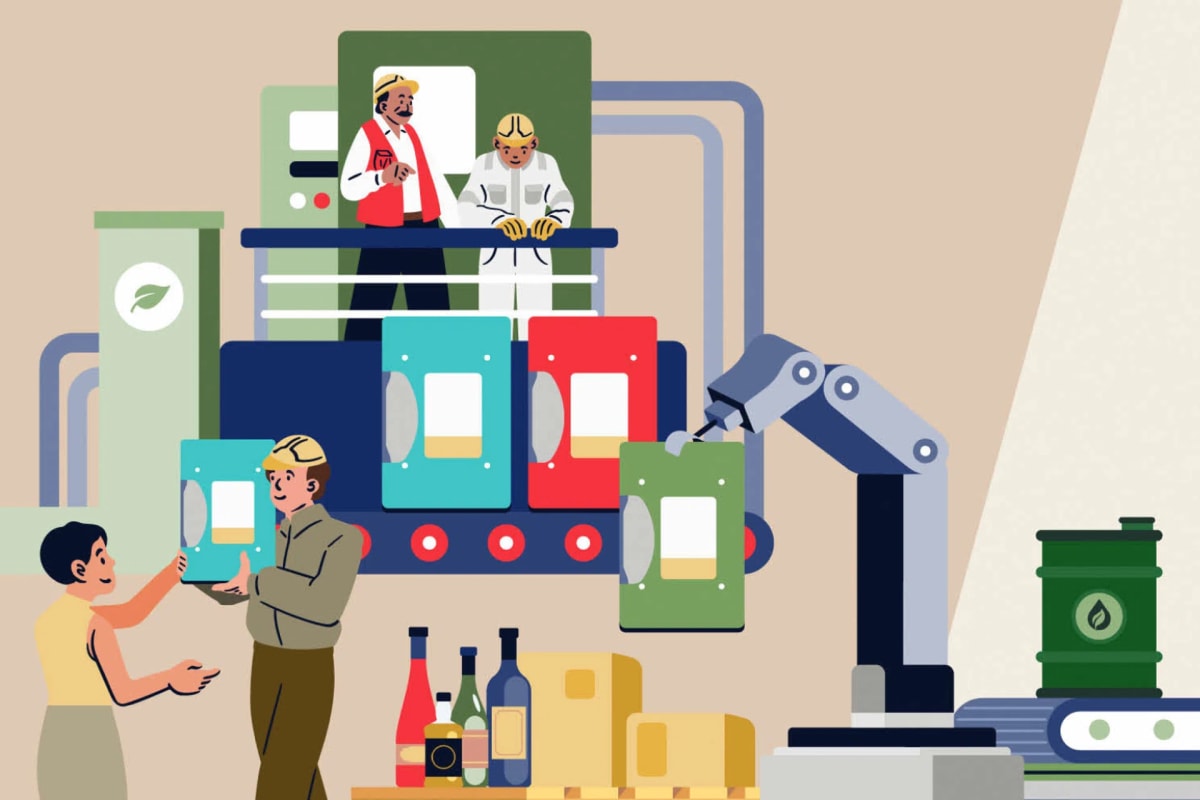
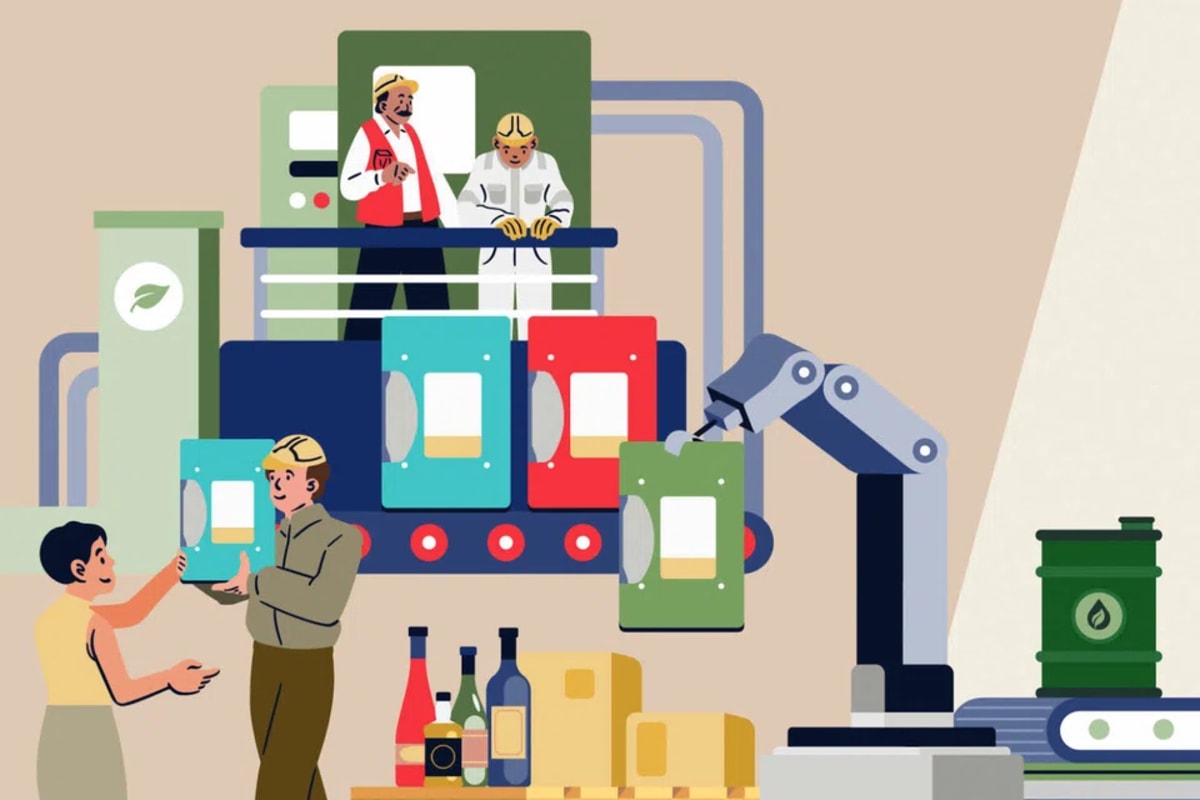
When you throw away an old phone or insulin pen, it typically ends up in a landfill. But in Singapore, innovative partnerships between global giants and local startups are turning yesterday's trash into tomorrow's infrastructure.
Three groundbreaking collaborations show how sustainability has shifted from corporate checkbox to competitive advantage. These aren't small pilot projects. They're multimillion-dollar commitments reshaping entire industries across Asia.
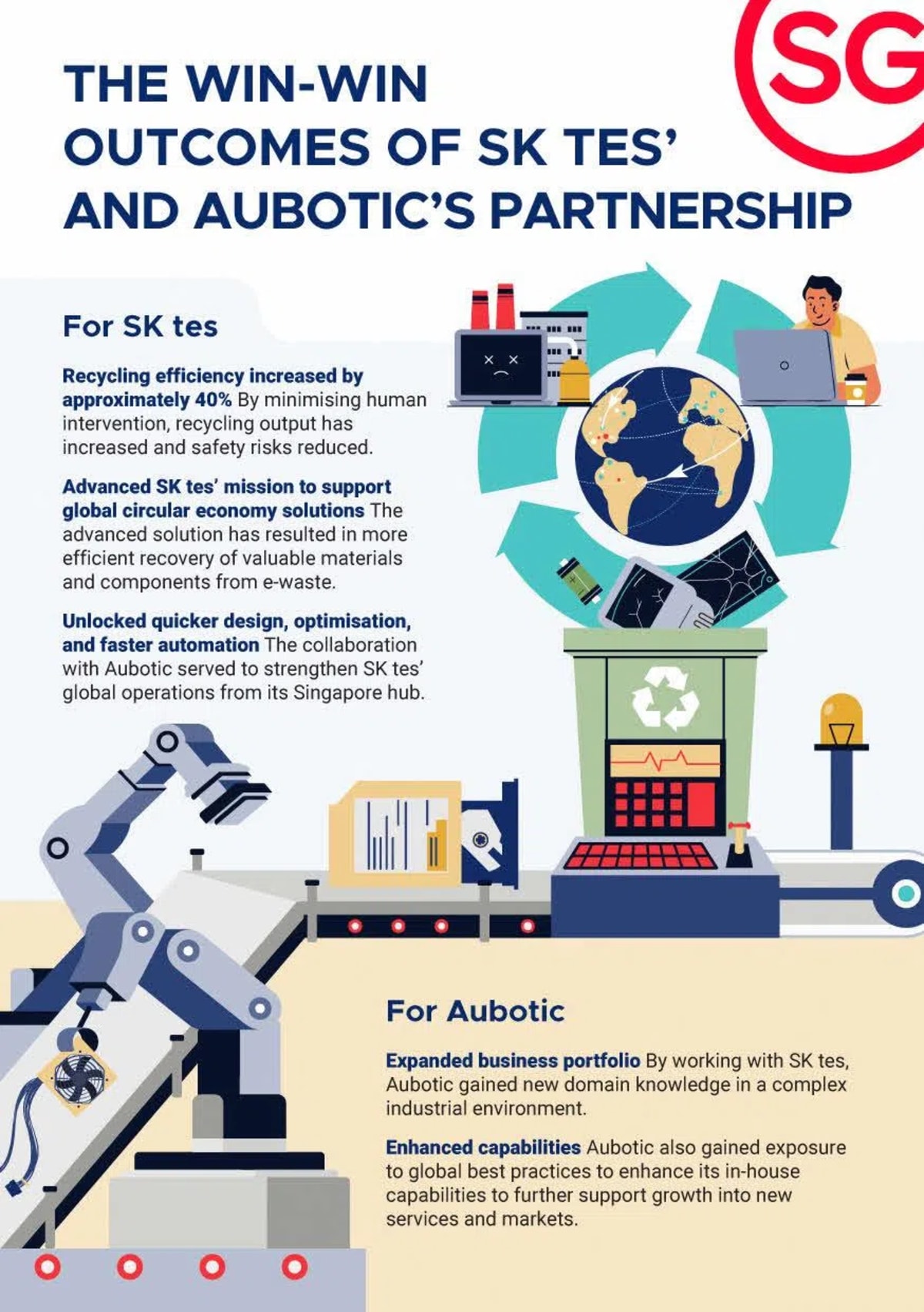
SK tes, a global technology solutions leader based in Singapore, faced a common problem with electronic waste recycling. Workers manually sorted through mountains of discarded devices, a process that was slow, inconsistent, and sometimes dangerous. In 2025, they partnered with Aubotic Technology, a local robotics firm, to automate the entire system. Now robots detect batteries still in packaging and extract valuable materials with precision humans couldn't match, making recycling faster and safer.
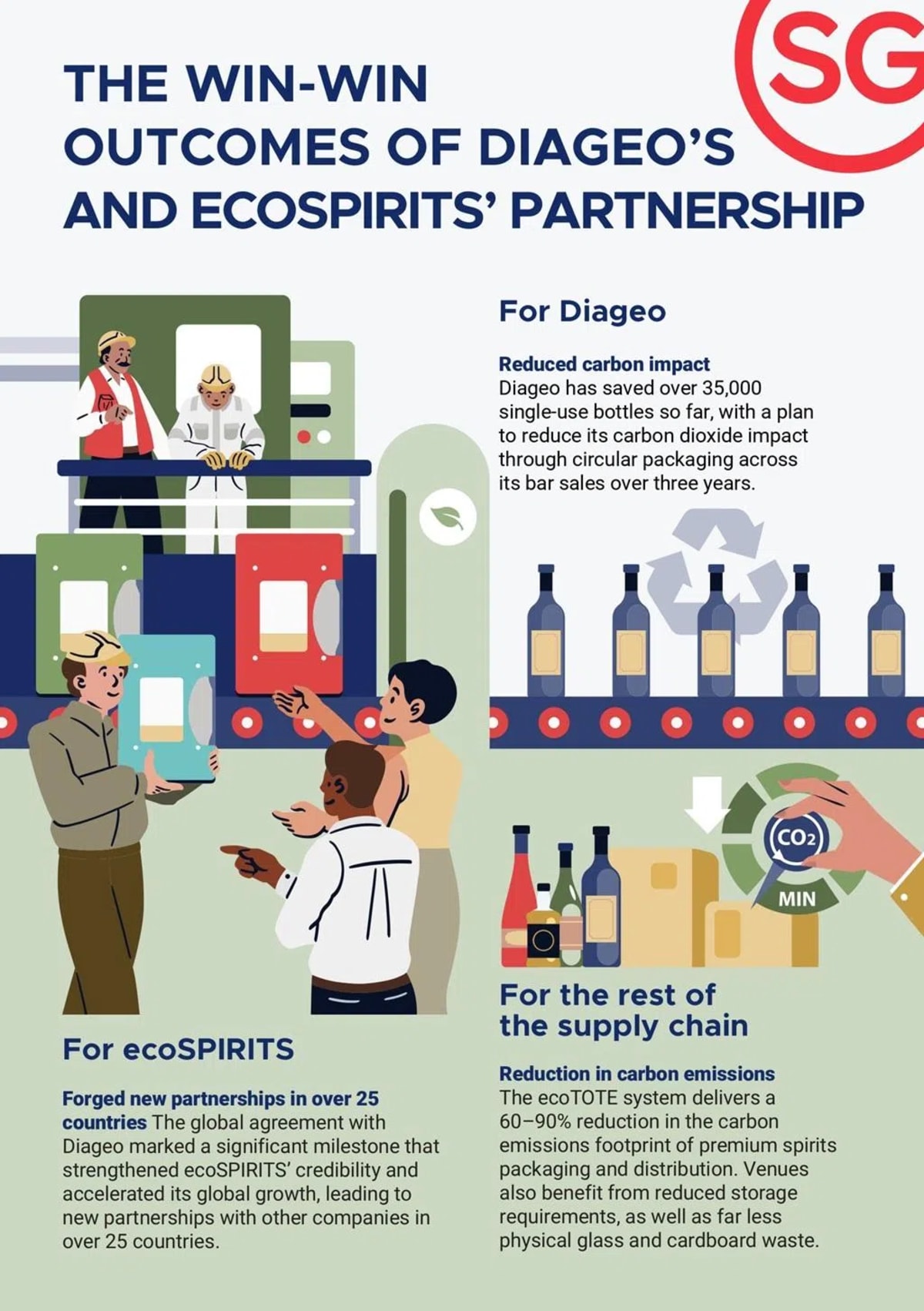
Beverage giant Diageo discovered an uncomfortable truth about its carbon footprint. Roughly 90 percent came from indirect emissions across its supply chain, with packaging alone accounting for a third of that total. The company needed a radical solution.
They found it in ecoSPIRITS, a Singapore startup with a game-changing idea. Instead of single-use glass bottles, ecoSPIRITS created reusable containers called ecoTOTEs that get sanitized, refilled, and reused in a closed loop. Diageo launched a Southeast Asia pilot in 2022, then signed a global licensing agreement in 2023. Today, over 100,000 ecoTOTEs circulate worldwide, delivering Smirnoff vodka, Gordon's gin, and Captain Morgan rum with dramatically lower carbon impact.
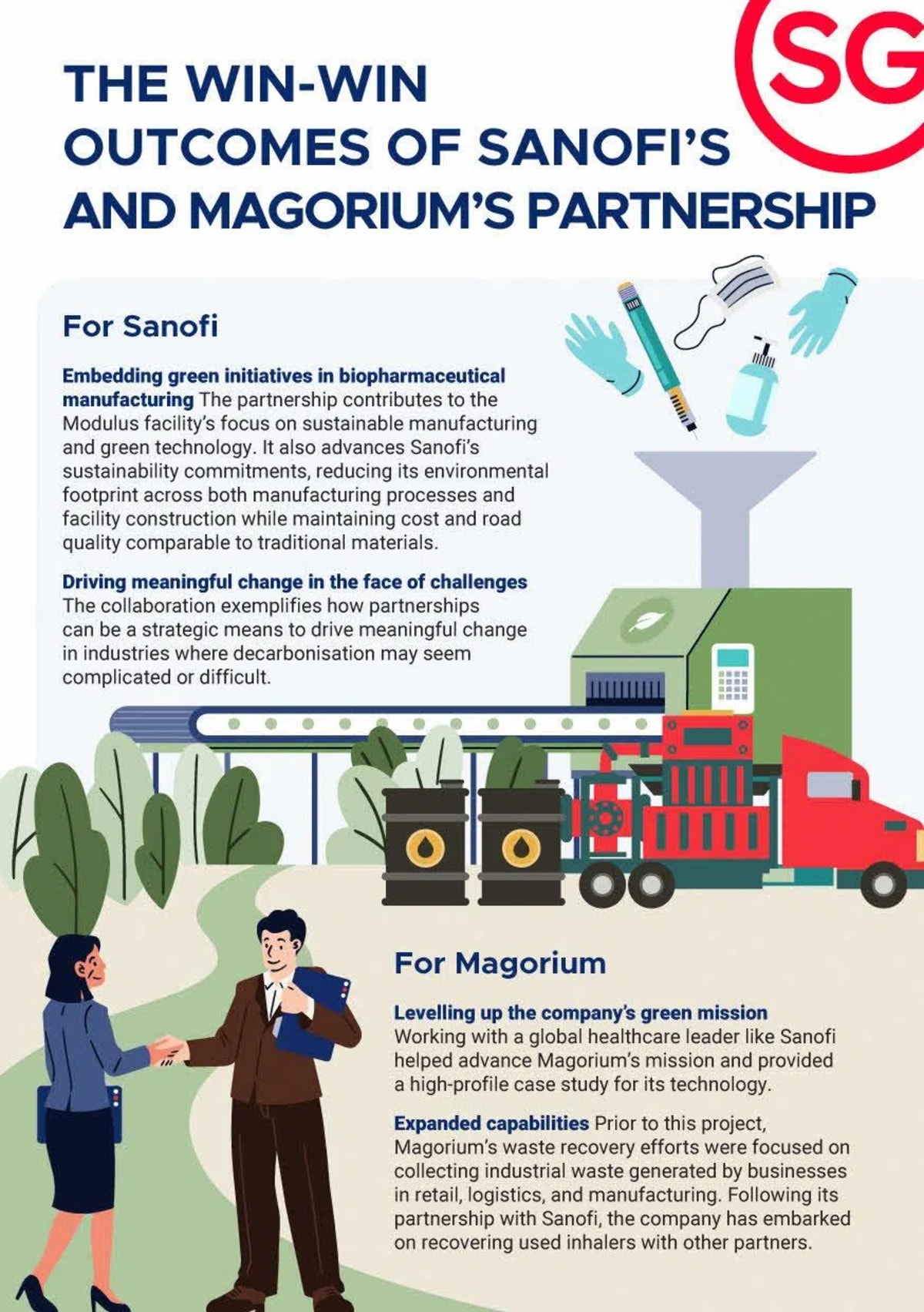
But perhaps the most visible transformation is happening on the roads around Sanofi's new $800 million Modulus facility. The pharmaceutical manufacturer partnered with local deep-tech company Magorium to do something remarkable with medical plastic waste. Discarded insulin pens and other medical plastics now pave 1.5 kilometers of roads at the facility, roughly 15 soccer fields worth of pavement.
Magorium's proprietary technology transforms unsorted plastic waste into NEWBitumen, replacing crude-oil-based materials traditionally used in road construction. The company worked with National University Hospital to collect medical waste that would otherwise be incinerated or buried.
The Ripple Effect
These partnerships reveal something larger than three isolated success stories. Singapore's ecosystem of innovators is giving multinational corporations the tools to meet climate targets while actually improving their bottom line. Automation increases recycling efficiency. Circular packaging cuts costs and emissions. Recycled materials provide durable infrastructure at scale.
The model is already expanding beyond Singapore's borders. Diageo's ecoTOTE system now operates in multiple markets. SK tes is deploying its automated recycling technology regionally. Sanofi's Modulus facility serves as a blueprint for sustainable biopharmaceutical production worldwide.
What started as local experiments in waste reduction has become a template for industrial transformation across Asia.
More Images
Based on reporting by Google News - Singapore Technology
This story was written by BrightWire based on verified news reports.
Spread the positivity!
Share this good news with someone who needs it