-1776090486131.jpg)
Singapore's Port Uses Digital Twin to Go Electric
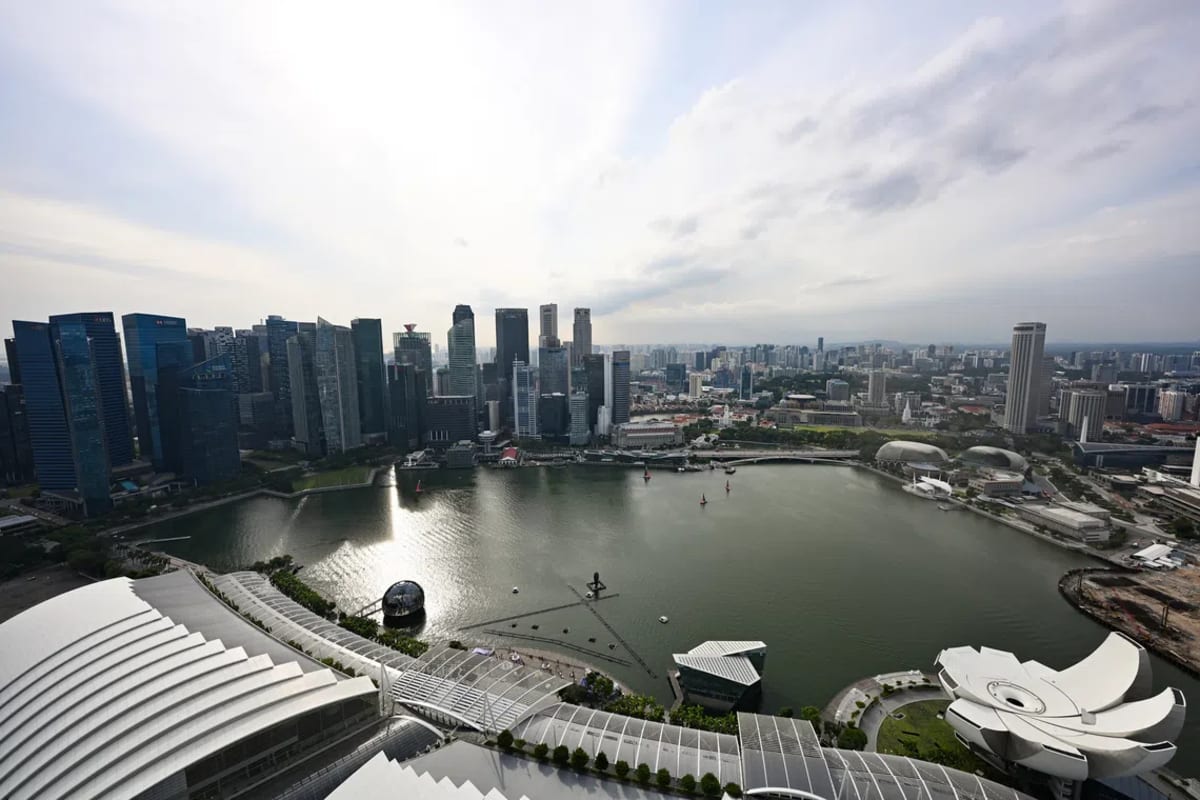
Singapore just cracked the code on testing bold ideas without wasting money or risking safety. The Maritime and Port Authority built a virtual copy of one of the world's busiest ports to solve real problems in a city where there's no room for mistakes.
Singapore faces a unique challenge: it's one of the world's busiest ports squeezed into one of the smallest countries on Earth.
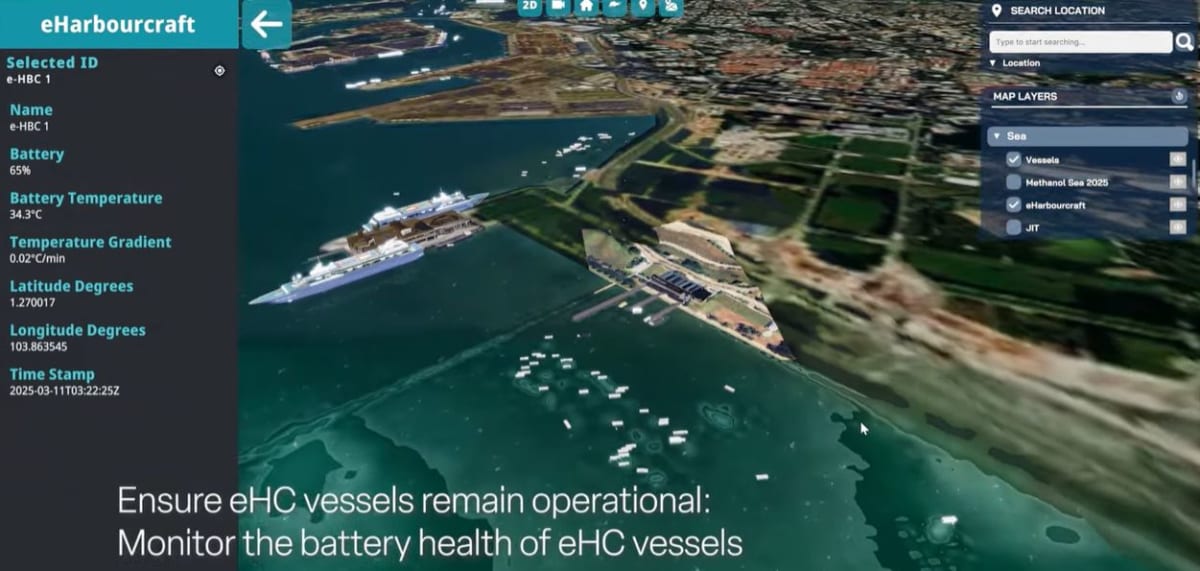
The Maritime and Port Authority of Singapore (MPA) found an ingenious solution. For the past year, they've been using a digital twin, a real-time virtual replica of the entire Port of Singapore, to test new ideas before spending a single dollar in the real world.
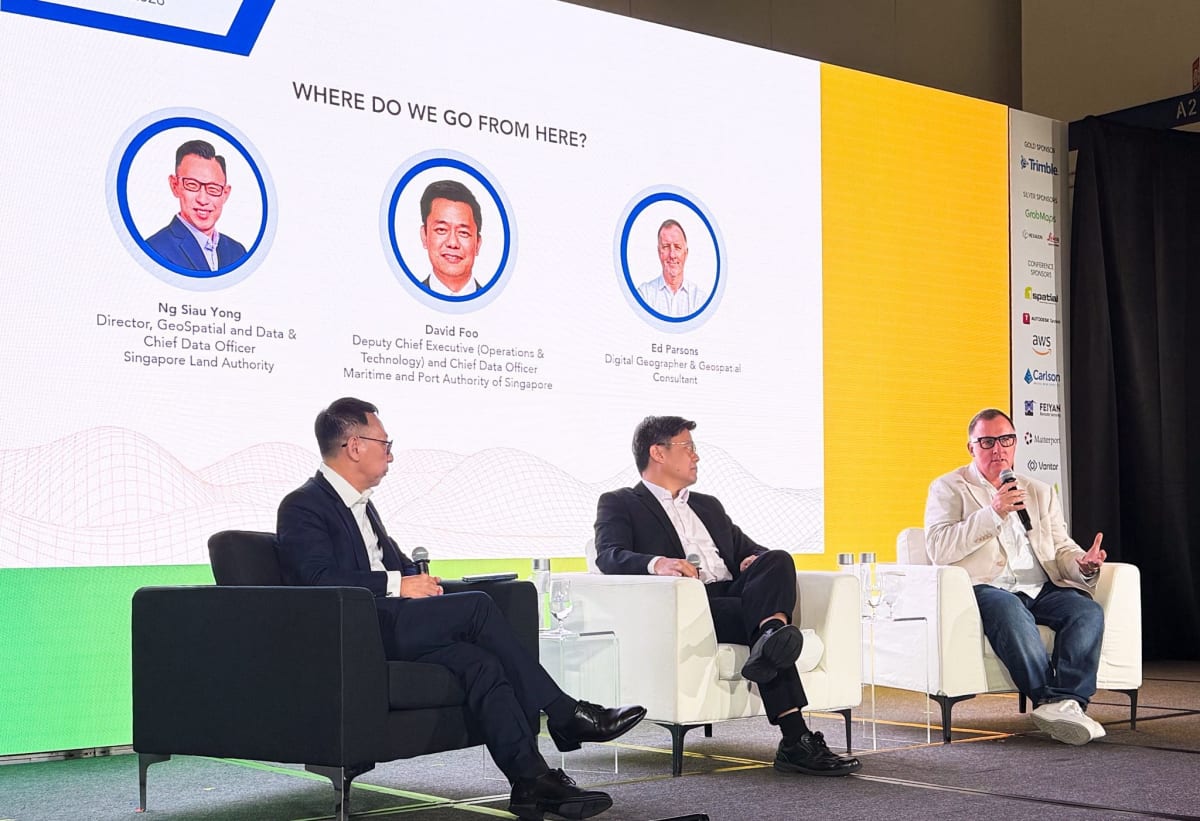
"We have limited space but unlimited opportunities," said David Foo, MPA's Deputy Chief Executive for Operations and Technology, at the Geo Autonomy Summit in March 2026. The digital twin, developed with GovTech Singapore, pulls live data from ships, port operations, and environmental sensors to create a complete picture of everything happening in the harbor.
The technology is already solving concrete problems. Singapore plans to require all new harbor craft to run on electricity, but charging stations are expensive. Using the digital twin, MPA mapped traffic patterns with color-coded density data to figure out exactly where charging stations would help the most boat owners.
The system saves lives too. MPA worked with researchers to detect invisible but hazardous chemicals in the water that the naked eye can't spot. When layered with real-time weather and sea current data, the digital twin can now pinpoint the safest escape routes for ships during emergencies.
Even small businesses are benefiting. MPA is developing a feature that would help delivery companies coordinate their routes instead of competing. By sharing a virtual map of who's going where, these businesses can serve the same customers while burning less fuel and using fewer resources.
The Ripple Effect
The digital twin started during COVID-19 when MPA used drones to deliver medication to sick crew members stuck on ships. Today, those same drones carry spare parts and conduct safety inspections, with their live feeds integrated into the virtual port.
Now MPA is exploring artificial intelligence to solve an even trickier puzzle. Ships don't park like cars; they drift in "swing circles" because of tides and currents, requiring extra space. AI could calculate the tightest possible arrangement to fit more vessels safely in the same area, something human planners simply can't compute.
The approach works because it lets innovators fail fast and cheap in the virtual world before committing real money and real safety in the physical one. For other cities struggling with limited space and big ambitions, Singapore just showed them the blueprint.
Innovation doesn't need more room; it just needs smarter ways to use what you already have.
More Images

Based on reporting by Google News - Singapore Technology
This story was written by BrightWire based on verified news reports.
Spread the positivity!
Share this good news with someone who needs it