Single Dose of Psilocybin Changes Brain Structure, Study Says
Scientists discovered that one dose of psilocybin, the compound in magic mushrooms, can create measurable changes in brain structure that last at least a month. The findings could explain why psychedelics show promise in treating depression, anxiety, and addiction.
A single dose of psilocybin created lasting physical changes in human brains, offering new hope for treating mental health conditions that affect millions worldwide.
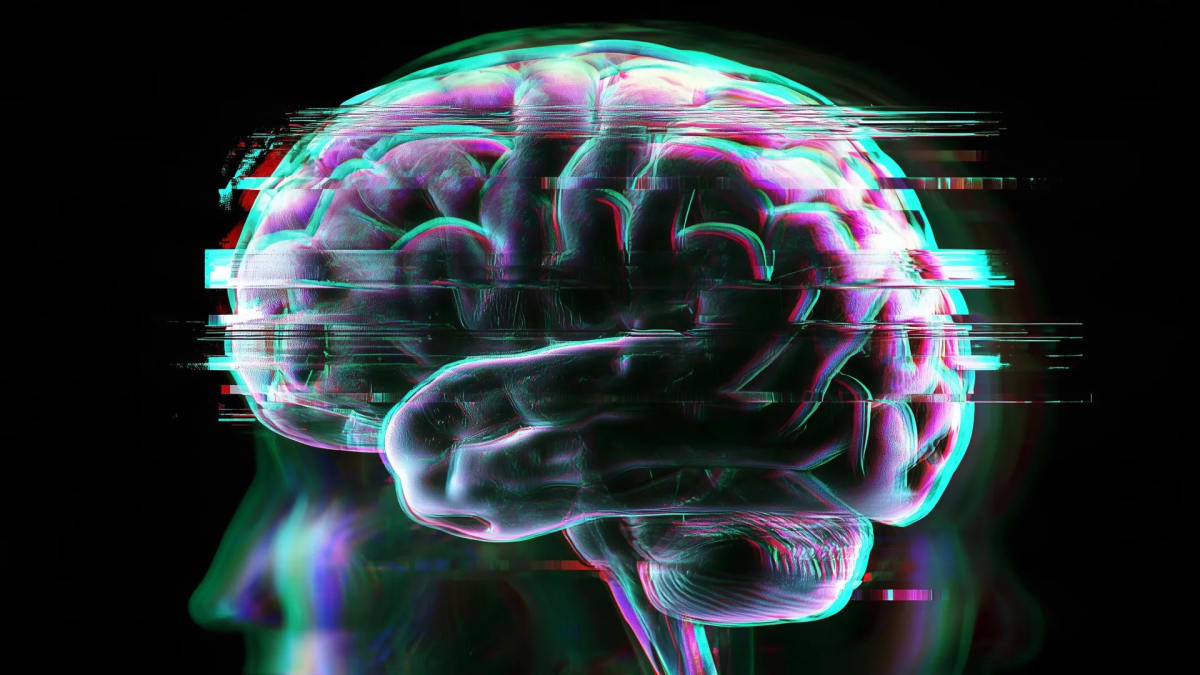
Scientists at Imperial College London gave 28 healthy volunteers who had never tried psychedelics a 25mg dose of psilocybin. A month later, specialized brain scans revealed apparent structural changes in nerve tracts running from the front to the middle of the brain. The volunteers also reported feeling better and thinking more flexibly.
"It's remarkable to see potential anatomical brain changes one month after a single dose of any drug," said Prof Robin Carhart-Harris, a neurologist at the University of California, San Francisco, who led the study. The team used advanced imaging techniques to measure how water moved along nerve bundles, suggesting some had become denser and more robust.
The research revealed something even more intriguing. Within an hour of taking psilocybin, volunteers showed a surge in "brain entropy," meaning their brains were processing a much wider variety of information than usual. Those who experienced the biggest spike in flexible thinking were the same people who reported the deepest psychological insights and best wellbeing a month later.
Scientists believe psychedelics work by helping people escape destructive thought patterns and boosting mental flexibility. While the brain changes observed were the opposite of what happens in aging and dementia, researchers emphasize these findings are preliminary and need confirmation with larger studies.
The Bright Side
This research comes at a crucial time when traditional mental health treatments don't work for everyone. Clinical trials have already shown promise for using psychedelics to treat depression, anxiety, and addiction, but scientists hadn't understood the physical mechanism behind the improvements.
Prof Alex Kwan, a neuroscientist at Cornell University, noted that animal studies have shown psychedelics can rewire nerve connections. This study brings researchers closer to proving the same happens in humans, which could revolutionize how we approach mental health treatment.
The volunteers completed weeks of testing to measure their wellbeing, psychological insight, and thinking flexibility alongside the brain monitoring. The connection between increased brain entropy during the psychedelic experience and improved mental health weeks later suggests a clear biological pathway for the drug's therapeutic effects.
While more research is needed with larger groups, the study offers concrete evidence that a single intervention could create positive, lasting changes in both brain structure and mental wellbeing.
More Images


Based on reporting by Google News - Health
This story was written by BrightWire based on verified news reports.
Spread the positivity!
Share this good news with someone who needs it