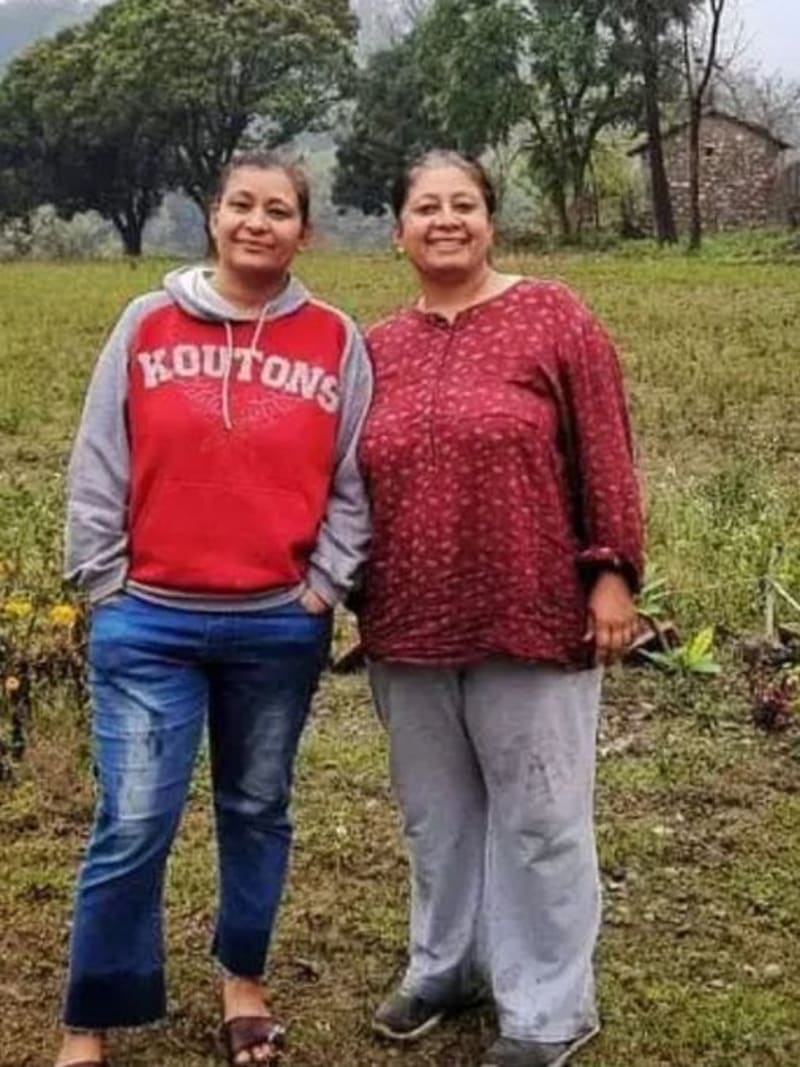
Sisters Turn Dehradun Farm Into $13K Yearly Amla Business
Two sisters transformed rocky hillside land in Dehradun into a thriving organic amla farm earning $13,000 annually. Their chemical-free approach proves small farmers can build profitable ventures while healing the land.
Manisha Gosain and Namita Rawat Negi saw potential where others saw problems. The sisters purchased hilly land in Dehradun and created Doon Gooseberry Farm, now generating 11 lakh rupees (about $13,000) each year from organic produce.
Their success centers on amla, the tart Indian gooseberry packed with vitamin C. But they didn't stop there, diversifying into mangoes, lemons, tomatoes, and brinjals to spread risk and maximize income throughout the year.
The sisters rejected chemical shortcuts from day one. They let their amla trees soak up natural sunlight and enriched soil with cow dung, eggshells, and vegetable waste instead of synthetic fertilizers. The result? Tastier fruit and healthier trees that strengthen season after season.
Water scarcity threatened their hillside dream, so they installed rainwater harvesting systems to keep trees hydrated during dry spells. Smart irrigation turned a potential dealbreaker into a manageable challenge.
Harvesting became a community affair. The sisters involved family and friends, transforming labor-intensive work into shared experiences while building skills across their network.
But the real genius showed up in their processing strategy. When fresh amla flooded the market and prices dropped, they converted surplus fruit into chutneys, pickles, jams, and juices. Value-added products opened new sales channels and protected them from seasonal price swings.
They're now planning a small processing unit to scale production. The expansion will employ local women, spreading economic opportunity beyond their own farm gate.
The Ripple Effect
The sisters prove organic farming can compete financially with conventional methods. Their model shows small landholders they don't need expensive chemicals to turn a profit, just patience and smart diversification.
Their community-focused approach creates jobs while teaching sustainable practices. As more locals learn their methods, the entire region benefits from chemical-free agriculture and strengthened food security.
Young farmers watching their success now see rural land as opportunity rather than obstacle.
One small farm in Dehradun is quietly rewriting the playbook for sustainable agriculture across India's hillside communities.
Based on reporting by The Better India
This story was written by BrightWire based on verified news reports.
Spread the positivity!
Share this good news with someone who needs it