Six Ancient Indian Libraries Still Open to All Readers
From palm-leaf manuscripts dating back to 1535 to vast colonial archives, six centuries-old libraries across India continue welcoming anyone who wants to explore living history. These aren't museum pieces—they're thriving spaces where ancient knowledge meets modern curiosity. --- ##
In India, some of the world's oldest libraries aren't locked behind glass or reserved for scholars. They're open to anyone willing to step inside and touch history.
These six remarkable institutions have survived wars, colonization, and the digital age while continuing their original mission: sharing knowledge freely. The oldest, Sarasvati Mahal Library in Thanjavur, has been operating since 1535.
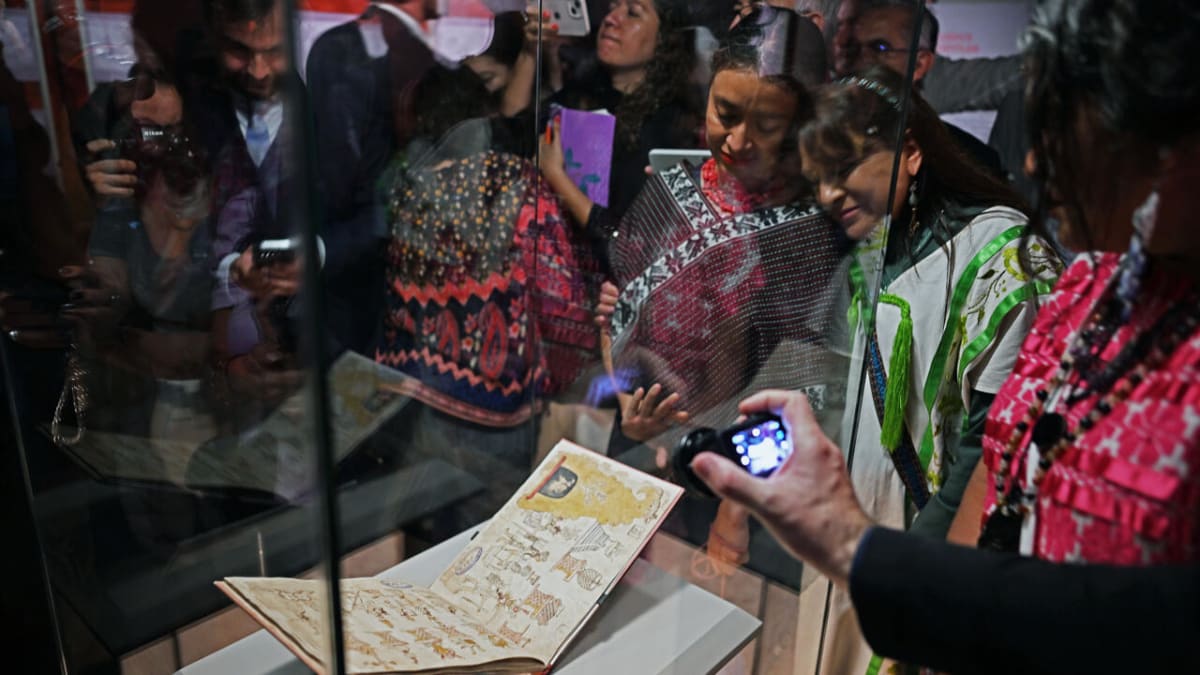
Tucked inside Thanjavur's palace complex, Sarasvati Mahal began under 16th-century Nayak rulers and flourished under Maharaja Serfoji II. Today it houses over 60,000 volumes, including thousands of handwritten palm-leaf manuscripts covering Ayurveda, astronomy, literature, and music—ancient Indian knowledge systems preserved in their original, tangible form.
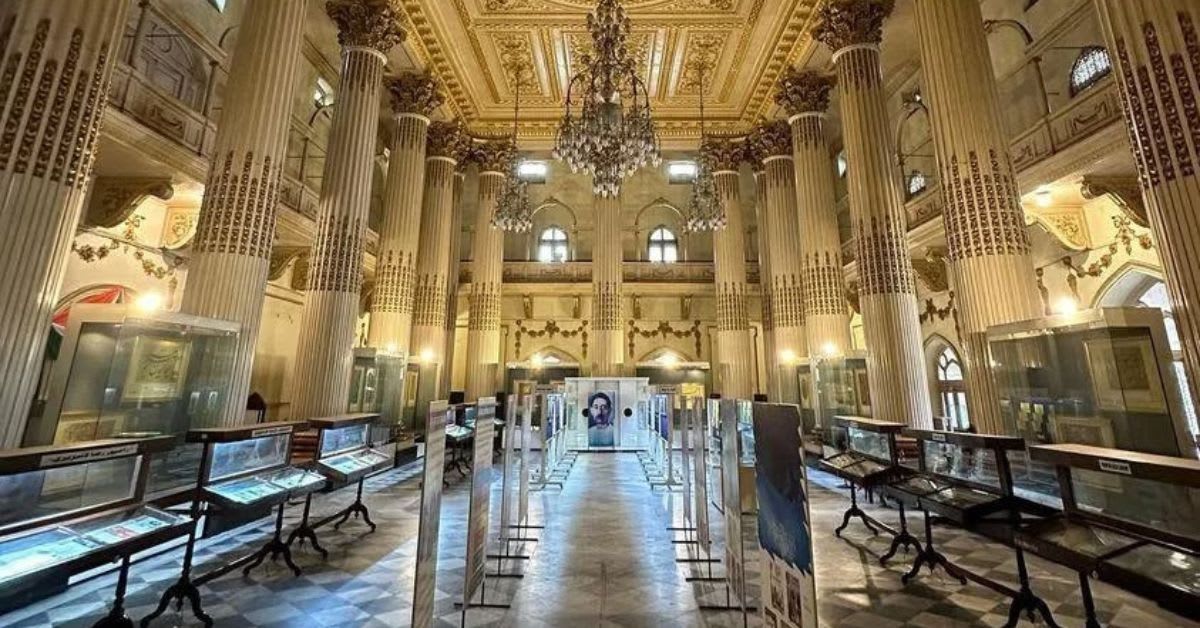
In Rampur, the Raza Library started as Nawab Faizullah Khan's personal collection in 1774. Now it holds 60,000 printed books, 17,000 rare manuscripts in eight languages, and 5,000 Mughal miniature paintings—a visual archive as much as a literary one.
Mumbai's Asiatic Society, founded in 1804, welcomes visitors through its grand Doric columns into a world of 15,000 rare books and 3,000 manuscripts. Among its treasures sits one of the few surviving original copies of Dante's Divine Comedy, housed within the neoclassical beauty of Mumbai's historic Town Hall.
Thiruvananthapuram's State Central Library made history in 1829 as one of India's earliest public libraries. Maharaja Swathi Thirunal transformed the concept from royal collections to spaces open for all, creating a welcoming reading sanctuary surrounded by lush greenery.
Kolkata's National Library of India, which began as the Calcutta Public Library in 1836, has grown into the country's largest library with over two million books. Its vast, maze-like halls contain newspapers, periodicals, maps, and rare manuscripts spanning centuries of human knowledge.
The Ripple Effect
What makes these libraries extraordinary isn't just their age or collections. It's that they've remained accessible for generations, refusing to become exclusive museums.
In an era when information feels disposable and digital, these institutions prove that knowledge can be both ancient and alive. Students preparing for exams study alongside researchers deciphering centuries-old texts, while curious visitors simply wander through corridors where history breathes.
They represent a radical idea that's stood the test of time: that humanity's accumulated wisdom belongs to everyone willing to seek it.
---
More Images
%2Fenglish-betterindia%2Fmedia%2Fmedia_files%2F2026%2F03%2F18%2Foldest-libraries-india-2026-03-18-15-07-21.jpg)

%2Ffilters%3Aformat(webp)%2Fenglish-betterindia%2Fmedia%2Fmedia_files%2F2026%2F03%2F18%2Fsarasvati-mahal-library-2026-03-18-13-49-35.jpg)
%2Ffilters%3Aformat(webp)%2Fenglish-betterindia%2Fmedia%2Fmedia_files%2F2026%2F03%2F18%2Frampur-raza-library-2026-03-18-13-51-23.jpg)
Based on reporting by The Better India
This story was written by BrightWire based on verified news reports.
Spread the positivity!
Share this good news with someone who needs it
%2Ffile%2Fattachments%2F2997%2F14300024_667918.jpg)