Sleep Apnea Treatment Gets New Options Beyond CPAP Masks
After decades of relying on uncomfortable CPAP masks, sleep apnea patients now have multiple effective alternatives including nerve stimulation, custom mouthguards, and even pills. These breakthroughs mean nearly 1 billion people worldwide can finally find treatments they'll actually use.
Millions of people with sleep apnea have abandoned their treatment because sleeping with a mask strapped to their face feels impossible, but a wave of new technologies is changing that story.
Sleep apnea affects nearly 1 billion people worldwide, including over 80 million American adults. The condition raises risks for heart disease, stroke, and dementia while leaving people chronically exhausted. For 40 years, CPAP masks have been the only real option, yet studies show just 38 percent of patients still use them after three months.
Now doctors are developing treatments that work with different bodies and lifestyles instead of forcing everyone into the same uncomfortable solution.
ZeusOSA, a device worn under the chin, delivers gentle electrical pulses to prevent airways from collapsing during sleep. Early studies show it works especially well for women, who often struggle more with traditional CPAP masks. Clinical trials start this summer.
Custom mouthguards that gently shift the jaw forward are already helping patients with mild to moderate cases. The Inspire implant, approved for over 11 years, has treated more than 100,000 patients and shows a 79 percent drop in sleep apnea severity. Patients use it an average of 6.5 hours nightly, far better than CPAP adherence rates.
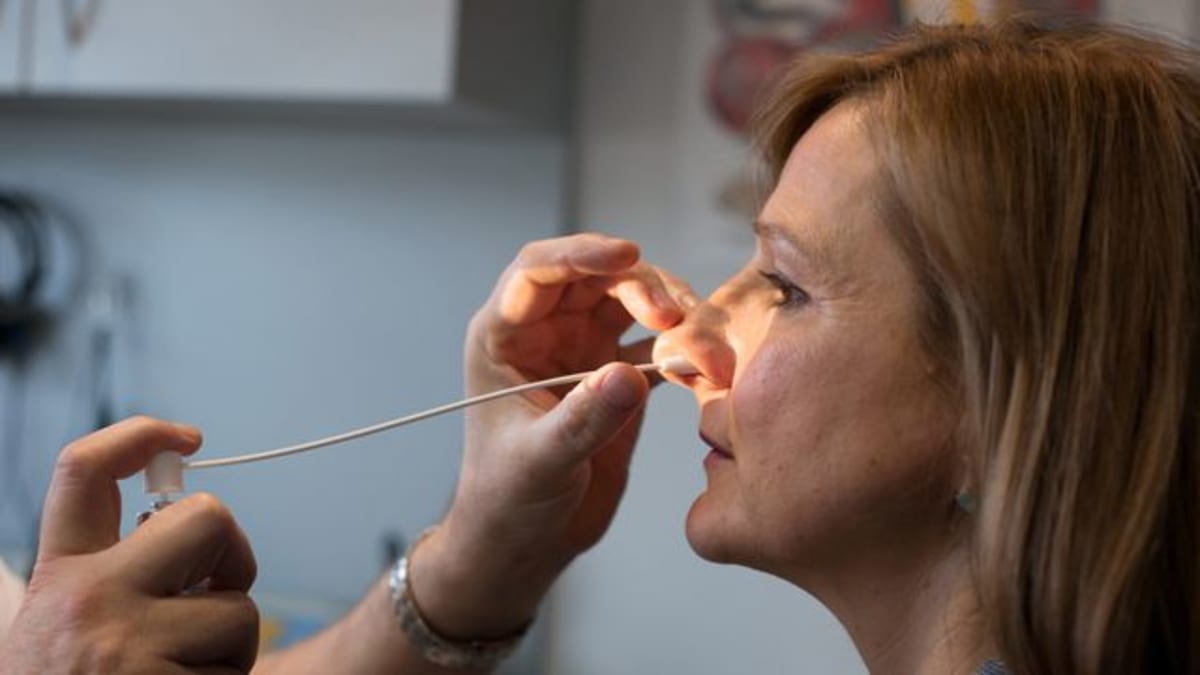
The FDA approved the first weight-loss drug specifically for sleep apnea in 2024. A Cambridge startup called Apnimed has developed a nightly pill that stabilizes airways biologically rather than mechanically, completing two phase three trials with FDA submission planned this year.
Why This Inspires
These innovations prove that when one solution doesn't work for everyone, science can create better options. Researchers stopped blaming patients for not tolerating uncomfortable treatments and instead asked how to design therapies that fit real lives.
The variety matters because sleep apnea shows up differently in different bodies. What collapses one person's airway might not affect another's the same way. More treatment choices mean doctors can match solutions to individual anatomy and preferences instead of offering one device or nothing.
Even CPAP technology keeps improving. Modern machines automatically adjust to each person's breathing patterns, and some patients report getting their lives back after a single night of proper sleep.
John Cronin, chief medical officer at Apnimed, explains the shift in thinking. "For a long time, sleep apnea was understood primarily as an anatomical problem, so the logical solution was mechanical," he says. As understanding evolved, researchers asked whether they could target the biology directly.
The 80 percent of American adults with undiagnosed sleep apnea can now look forward to options that actually work with their lives.
More Images


Based on reporting by Google News - New Treatment
This story was written by BrightWire based on verified news reports.
Spread the positivity!
Share this good news with someone who needs it