Slovakia's First Robot Kidney Donation Saves Daughter
A mother in Slovakia donated her kidney to her 28-year-old daughter using groundbreaking robotic surgery, marking the country's first robot-assisted living kidney donation. The procedure offers hope for 370 patients waiting for transplants and could help address the organ shortage crisis.
A mother's love just made medical history in Slovakia, and her gift could change organ donation forever.
Roosevelt Hospital in Banská Bystrica performed the country's first robot-assisted kidney removal from a living donor last week. A mother donated her kidney to save her 28-year-old daughter Michaela, who had been on dialysis for weeks after diabetes destroyed her kidneys.
"Her mother did not hesitate for a second," hospital spokesperson Ružena Maťašeje told reporters. The decision launched a medical first that could transform how Slovakia approaches living organ donation.
The surgery required removing the right kidney, typically a more complex procedure because the blood vessels are shorter and positioned near major arteries. One mistake could mean disaster for both mother and daughter.
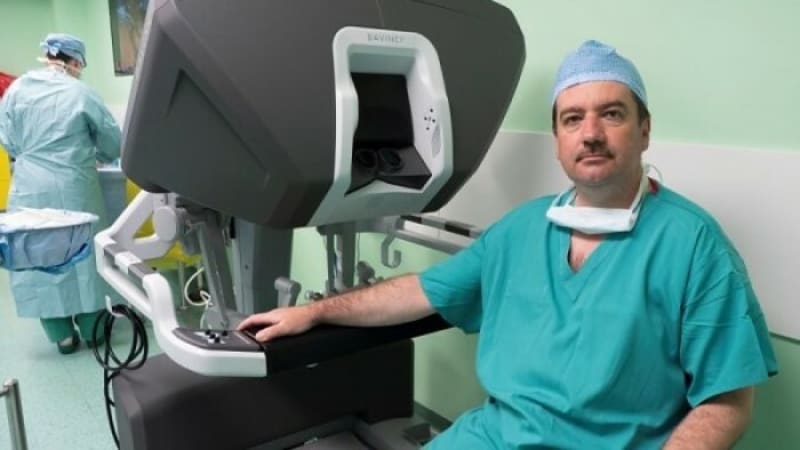
That's where the da Vinci robotic system changed everything. The technology gave surgeons crystal-clear visibility and millimeter-perfect precision that human hands alone can't achieve.
"We had better visibility in the surgical field, finer tissue manipulation, and greater control over the blood vessels," explained Dr. Jozef Babeľa, who has performed robotic surgeries since 2011. The smaller incisions mean faster healing and less pain for donors.
The Ripple Effect
The robotic approach does more than protect donors. It protects the kidney itself.
Traditional surgery requires more physical handling of the organ during removal. The robotic method keeps pressure and manipulation to a minimum, which means the kidney typically starts working faster once transplanted.
For Michaela, that difference could mean the gap between immediate kidney function and days of waiting to see if her body accepts the transplant. Early results from other hospitals show kidneys removed robotically often respond better in their new bodies.
Living with one kidney poses almost no limitations for healthy donors. After thorough screening and the operation, donors receive annual checkups including blood tests and imaging to ensure continued health.
Dr. Marcel Čellár, who heads the nephrology and transplant department, emphasized that donor safety comes first. Every potential donor undergoes extensive testing before doctors approve the procedure.
Around 370 patients across Slovakia are currently waiting for kidney transplants. The shortage of organs from deceased donors means many will wait months or years, with some dying before a kidney becomes available.
Making donation safer and easier could convince more family members to consider giving. Shorter recovery times, smaller scars, and reduced complications remove barriers that might stop potential donors from stepping forward.
This single surgery in Banská Bystrica proves the technology works in Slovak hospitals, potentially opening the door for more facilities to adopt robotic donation procedures and more families to find hope through living donation.
More Images

Based on reporting by Google News - Medical Breakthrough
This story was written by BrightWire based on verified news reports.
Spread the positivity!
Share this good news with someone who needs it