Slow Breathing Calms Anxiety Without Mindfulness
Scientists proved slow breathing reduces anxiety even when you're not thinking about it. A UCLA study using mice shows it's a brain-wired response, not just a placebo effect.
Good news for anyone who's ever been told to "just breathe" during a stressful moment: science just proved it actually works, even if you don't believe in it.
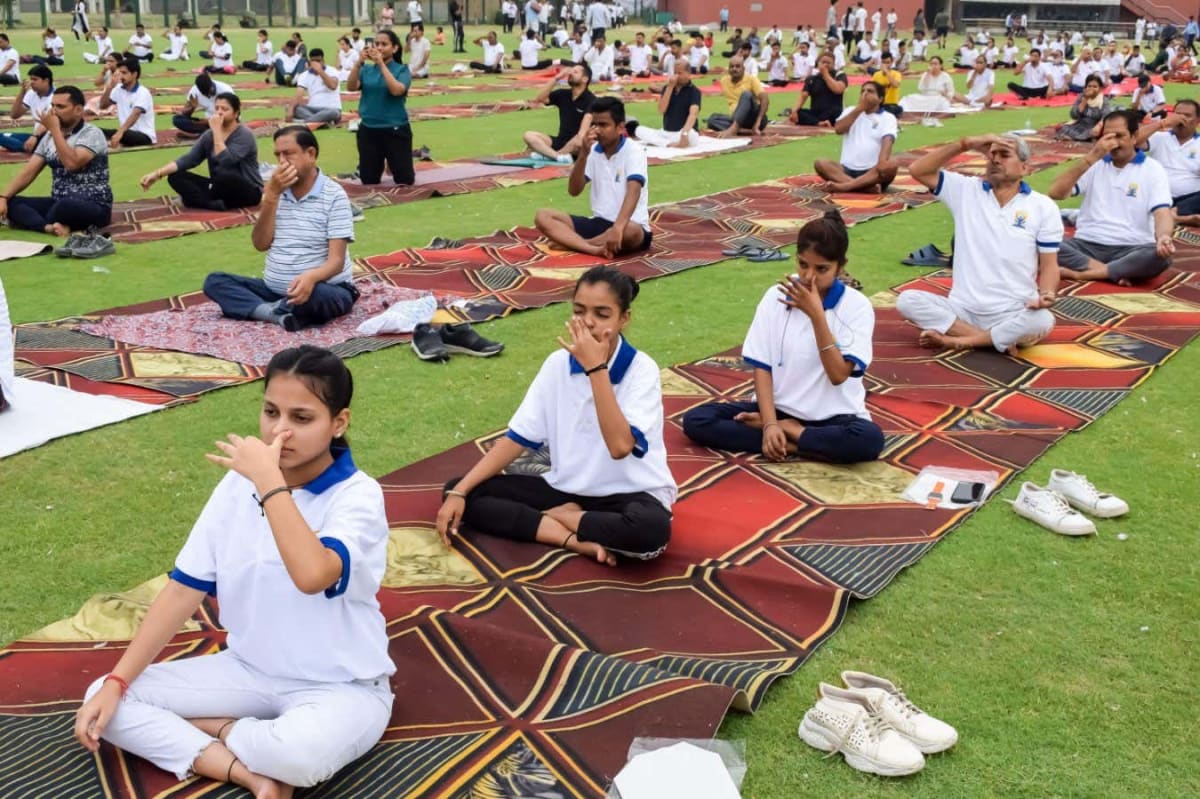
Researchers at UCLA discovered that slow breathing reduces anxiety through hard-wired brain connections, not just positive thinking. The team trained mice to breathe slower and watched their anxiety levels drop, proving the effect is real and measurable.
Neuroscientist Jack Feldman led the groundbreaking study, building on his 1991 discovery of the brain's breathing pacemaker. This tiny region called the pre-Bötzinger Complex controls how fast or slow we breathe, mostly on autopilot.
The researchers used special light-sensitive proteins to slow the mice's breathing rate by up to 70 percent over four weeks. After training ended, the mice underwent standard anxiety tests against control groups.
The results were remarkable. Trained mice froze less in stressful situations and spent more time exploring open spaces instead of hiding in dark corners. Their calmer behavior lasted even days after training stopped.
"It's not a placebo effect because the mice don't know it's supposed to calm them down," Feldman explains. The breathing changes created real physiological shifts in how their brains processed fear and stress.
Here's what makes this discovery even better for humans: we can control our breathing pacemaker intentionally. Unlike mice, our breathing center connects to decision-making parts of the brain, letting us deliberately slow our breath whenever we need calm.
The Bright Side
This research validates what meditation teachers have known for centuries, but with a modern twist. You don't need to be a mindfulness expert or even believe in breathwork to get the benefits.
Italian neuroscientist Andrea Zaccaro notes the study isolates the "bottom-up" biological component of breathing's calming power. But he adds that mindful attention to breath might amplify these natural effects even more.
Think of it as having options. Taking slow, deep breaths during a stressful meeting will help calm your nervous system whether you're focusing on meditation or just trying to get through your presentation.
The finding offers hope for people struggling with anxiety who find traditional mindfulness practices challenging or inaccessible. Your body's wiring is already set up to help you find calm through something as simple as breathing slower.
So the next time someone tells you to take a deep breath, they're not just being dismissive—they're actually suggesting a scientifically proven anxiety reducer that works automatically.
More Images



Based on reporting by New Scientist
This story was written by BrightWire based on verified news reports.
Spread the positivity!
Share this good news with someone who needs it