Slow Flowers Movement Cuts Carbon From Your Bouquet
That $10 grocery store bouquet traveled thousands of miles by plane and left a massive carbon footprint. A growing movement of sustainable florists is bringing flowers back to local farms where they belong.
Your supermarket flowers might look innocent, but they just took a journey longer than most people's vacation plans.
Most cut flowers sold in America are flown in from Colombia and Ecuador, racking up carbon emissions that rival celebrity private jets. The industry rushes to get blooms from farm to vase in just five days, which means constant refrigeration, long-haul flights, and gas-guzzling delivery trucks.
The environmental toll doesn't stop there. Mass-produced flowers gulp down water and often require chemicals that create harmful runoff. All that plastic wrap doesn't help either.
This wasn't always the norm. The problem traces back to a 1980s War on Drugs policy that gave tax breaks to South American farmers for growing flowers instead of coca plants. The unintended result was America abandoning its own flower farms and creating a system that too often exploits workers in lower-income countries.
Sustainable florists decided enough was enough. They launched the Slow Flowers Movement to reconnect people with locally grown, seasonal blooms.
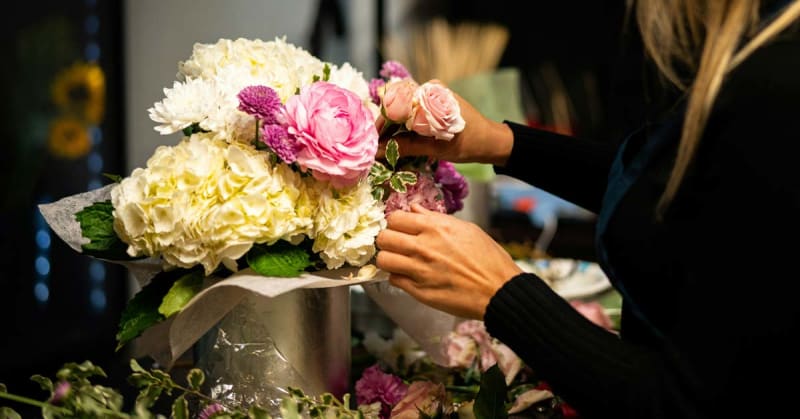
The concept is beautifully simple. Slow Flowers florists work with what's naturally blooming in their region during each season. They source from small local farms, slash transportation emissions, ditch harmful chemicals, and ensure fair treatment of workers.
Holly Łukasiewicz of District 2 Floral Studio explains it means knowing your farmer's name, understanding working conditions, and learning what (if any) chemicals touched your tulips. Members of the Slow Flowers Society commit to transparency and sustainable practices at every step.
The Ripple Effect
This movement does more than shrink carbon footprints. It revives small-scale flower farming as a respected branch of American agriculture and puts money directly into local communities.
Author Debra Prinzing, who wrote the book that inspired the movement, says it redefines what beauty means. Just like farm-to-table chefs cook with seasonal ingredients, Slow Flowers designers create arrangements with whatever nature offers that month.
Finding local growers is easier than you might think. The Slow Flowers listing directory connects consumers with sustainable florists and farms in their area. Many small farmers also sell directly at markets or through seasonal subscriptions.
The next time you want fresh flowers, skip the grocery store cooler and seek out a local grower instead. Your kitchen table will look just as beautiful, and the planet will thank you for keeping those blooms close to home.
More Images

Based on reporting by Good Good Good
This story was written by BrightWire based on verified news reports.
Spread the positivity!
Share this good news with someone who needs it