Small Daily Actions Beat Big Sporadic Efforts, Study Shows
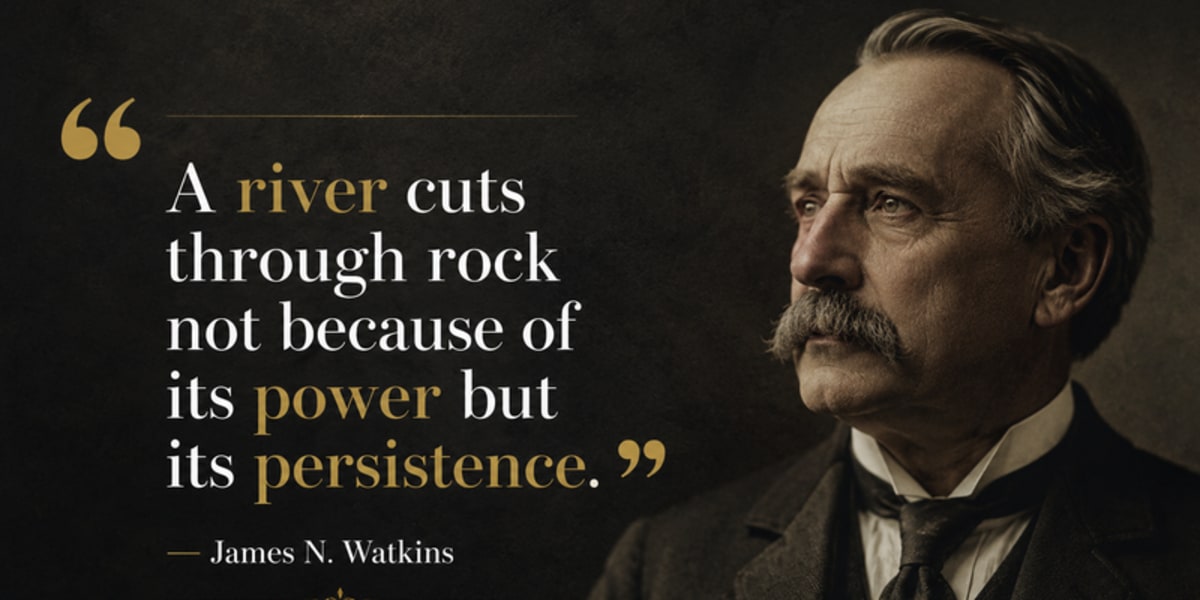
A river cuts through rock not through force, but through steady flow over time. New research on habit formation shows the same principle applies to everything from learning languages to building savings.
Scientists studying behavior change have confirmed what rivers have been teaching us for millennia: persistence beats power every single time.
The insight comes from James N. Watkins' observation that rivers reshape stone not through dramatic force but through consistent contact. Researchers studying habit formation now have data showing this same pattern drives lasting human progress across health, learning, and career goals.
The science is surprisingly simple. When people practice a language for 15 minutes daily, retention rates climb 60% higher than weekend cramming sessions that fade by Monday. Daily 20-minute walks improve cardiovascular health more reliably than sporadic intense workouts that people can't sustain.
One Boston study tracked 2,000 people building new habits over six months. Those who picked tiny daily actions—one morning hour on a big project, automatic small savings transfers—hit their goals at three times the rate of people who planned big intense bursts.
The reason comes down to how our brains build pathways. Repetition creates neural highways that make behaviors feel natural rather than forced. Missing one day doesn't erase progress, but the pattern of showing up teaches your brain this action belongs in your life.
Why This Inspires
This research offers real hope for anyone who's ever felt defeated by their own grand plans. You don't need heroic willpower or dramatic life overhauls. You need 15 minutes and a willingness to show up tomorrow.
The approach works because it fits real life—the one with meetings, errands, and unexpected interruptions. A 20-minute action survives a chaotic day. It bends without breaking, which means it actually happens.
Experts recommend starting with the smallest possible step tied to something you already do. Learning Spanish? Three vocabulary words with morning coffee. Building savings? Ten dollars auto-transferred each payday. Writing a book? One paragraph before checking email.
The secret is never missing twice. One skip is life; two starts a new pattern. The goal isn't perfection but direction, and the research shows that direction plus duration reshapes your capabilities the way water reshapes stone.
Researchers found people who tracked simple streaks—checkmarks on calendars, apps that count consecutive days—maintained habits 40% longer than those who didn't. The visual record provides proof that small actions accumulate into something substantial.
On hard days, you do the minimum; on open days, you do more without breaking the chain. Either way, the channel deepens quietly, then noticeably, until one day you look back and barely recognize the landscape you've created.
The water keeps flowing, and the path appears.
More Images

Based on reporting by YourStory India
This story was written by BrightWire based on verified news reports.
Spread the positivity!
Share this good news with someone who needs it