Smart Farms Cut Pesticide Use While Boosting Crop Yields
Farmers across North America are using AI, sensors, and apps to grow more food with fewer chemicals, potentially lowering grocery prices. Third-generation farmer Jake Leguee now sprays weeds with pinpoint accuracy instead of blanket coating his fields, saving money and protecting the environment.
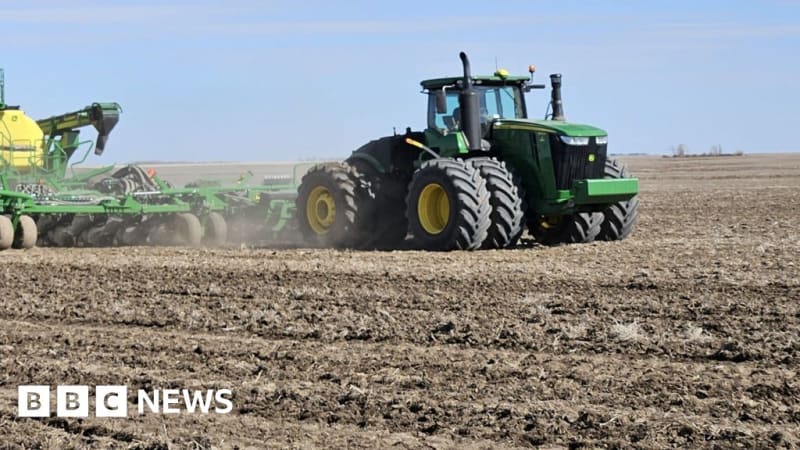
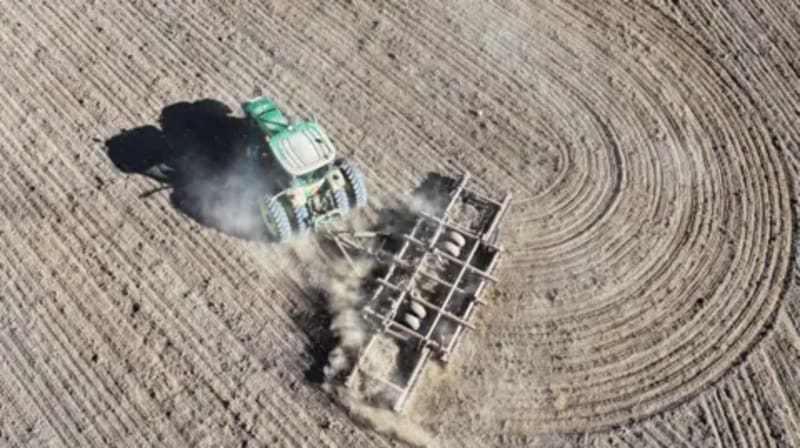
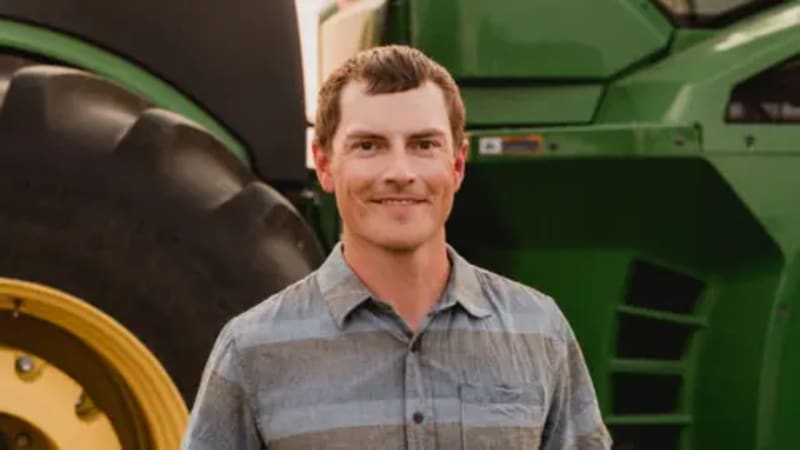
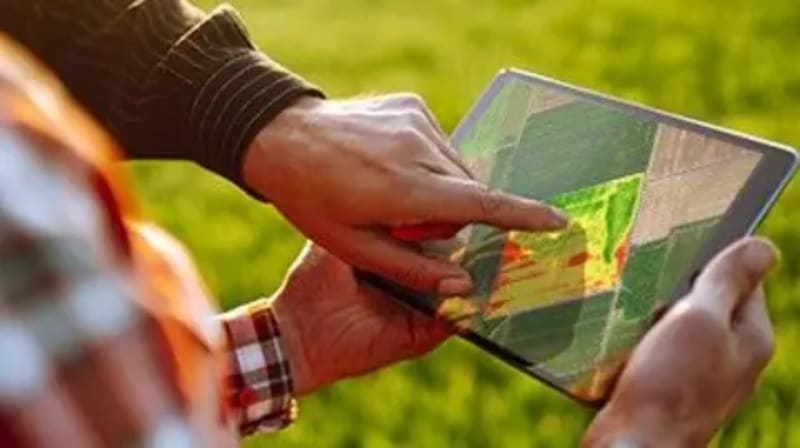
Jake Leguee remembers his grandfather and father returning home drenched in sweat after spending entire days on their tractor, spraying crops across 17,000 acres in Saskatchewan. Today, cameras and sensors on his John Deere tractor detect individual weeds while traveling 15 miles per hour, activating spray nozzles only when needed.
The shift is transforming farms across the continent. A 2024 McKinsey survey found that 57% of North American farmers plan to try new yield-boosting technologies in the next two years, and a US Department of Agriculture report shows remaining farms are becoming increasingly "tech dense."
The changes reach far beyond fancy tractors. Vermont farmer Norah Lake once spent hours plugging harvest data into Excel spreadsheets to figure out if her 100 bed feet of broccoli produced enough vegetables. Now she uses an app called Tend on her phone that calculates exactly how much seed to order for her next asparagus, tomato, and zucchini crops based on past performance.
Swiss agri-tech company Syngenta offers software that combines satellite imagery with 20 years of weather data to warn farmers about incoming threats. "It can tell the farmer that you need to visit the southeast corner of your field because something is not right about that section, such as a pest outbreak," says chief information officer Feroz Sheikh. The early warnings help farmers protect crops before a snap frost wipes out their harvest.
German startup NoMaze takes it further, running computer simulations to show farmers exactly how different crops will perform under changing climate conditions. The software, rolling out this year, helps growers maximize yields while using less water.
The Ripple Effect
These farm-level changes could reach your dinner table sooner than you think. Heather Darby, an agronomist at the University of Vermont, says helping farmers avoid crop failures creates a more reliable food supply and could translate to lower prices at grocery stores.
Leguee sees the technology as essential for survival, noting that many farms are multi-million-dollar businesses supporting multiple families. "I heard someone say once: 'If you treat farming as a business, it's a great way of life, but if you treat your farming as a way of life, it's a horrible business,'" he says.
The return on investment often proves worthwhile, even for smaller operations. Leguee points out that not every solution requires expensive equipment; sometimes a simple record-keeping app delivers real value.
The future of farming is already sprouting in fields from Saskatchewan to Vermont, growing more food with fewer chemicals and giving us all reasons to feel good about what's on our plates.
More Images
Based on reporting by Google News - Business
This story was written by BrightWire based on verified news reports.
Spread the positivity!
Share this good news with someone who needs it