Smart Toilet Seat Detects Heart Problems in 30 Seconds
A German company created a toilet seat that checks your heart rhythm during a routine bathroom break. The innovation could help millions catch a dangerous heart condition before it causes a stroke.
Imagine discovering a serious heart problem while doing something you do every day anyway.
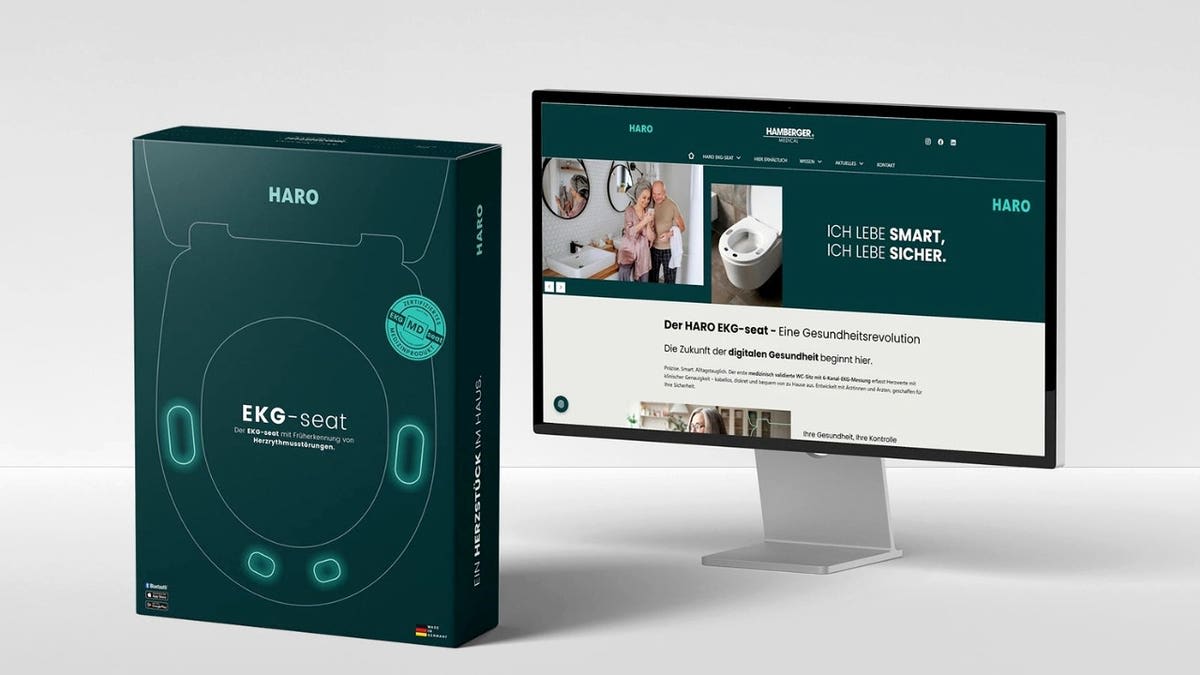
German medical technology company Hamberger Medical developed the HARO EKG-seat, a toilet seat with built-in sensors that record your heart's electrical signals while you sit. After just 30 seconds, a smartphone app analyzes the reading for signs of atrial fibrillation, an irregular heartbeat that affects millions without them knowing.
AFib might sound harmless, but it raises stroke risk by about five times. The heart's upper chambers beat irregularly, allowing blood to pool and form clots that can travel to the brain.
The tricky part is that many people feel absolutely fine while they have it. Some AFib episodes come and go, so a quick test at the doctor's office might miss the problem entirely.
The smart toilet seat tackles this detection gap with something brilliant: convenience. You don't need to stick on electrodes or remember to wear a tracking device. You just sit normally for 30 seconds, and the seat does the work through Bluetooth.
Hamberger Medical tested the device with participants ranging from young adults to people in their 90s. Everyone could use the system without special instructions, which matters when so many health gadgets end up forgotten in drawers.
The company's research showed strong agreement between the toilet seat's readings and standard hospital EKG machines when checking for AFib. The complete study results haven't been published in an independent medical journal yet, so doctors will want to see more data about accuracy and false alerts.
Still, the timing couldn't be better. The American Heart Association estimates about 5 million Americans currently live with AFib, with projections reaching over 12 million by 2030.
Why This Inspires
Early detection changes everything for AFib patients. Dr. Paari Dominic, a cardiac electrophysiologist, told the American Medical Association that research supports intervening within a year of detecting AFib for significantly better outcomes.
The toilet seat represents a shift in how we think about health monitoring. Instead of scheduling appointments or remembering daily tasks, technology meets us where we already are.
Age and high blood pressure increase AFib risk, along with diabetes, obesity, and sleep apnea. Regular monitoring could catch problems before they become emergencies.
The device won't replace doctors or hospital tests. Any alert from the toilet seat should start a medical conversation, not end one. But giving people more chances to discover a silent condition could prevent strokes and save lives.
A simple bathroom break might soon become an opportunity for life-saving detection.
More Images
Based on reporting by Fox News Tech
This story was written by BrightWire based on verified news reports.
Spread the positivity!
Share this good news with someone who needs it