Smarter Appliances to Cut 4.6 Gigatonnes of CO2 by 2050
New energy efficiency standards for everyday appliances like air conditioners, fans, and refrigerators are on track to prevent 4.6 gigatonnes of carbon emissions by 2050. Better yet, these policies are creating jobs and improving lives in communities from India to Kenya.
Your refrigerator, air conditioner, and even your ceiling fan are about to become powerful weapons in the fight against climate change.
A new report from CLASP, a global nonprofit focused on appliance efficiency, reveals that 18 energy efficiency policies rolled out in 2025 will prevent 4.6 gigatonnes of CO2 emissions by 2050. That's roughly equal to taking every car in the United States off the road for three years.
The policies set minimum energy performance standards for common household items and commercial equipment. Think more efficient lighting, smarter air conditioning systems, and appliances that use less power while working just as well.
What makes this story even better is how these standards made it into national climate plans. CLASP lobbied governments worldwide to include appliance efficiency in their emissions reduction targets under the Paris Agreement. The result? A stunning 90% of countries that submitted climate plans to the United Nations now include appliance and energy efficiency policies.
China led the charge with seven policy updates covering everything from compressed air systems to water pumps. Those changes alone are expected to cut nearly three gigatonnes of CO2 by 2050.
India focused on cooling appliances, which matters enormously in a country where 90% of households rely solely on fans to beat the heat. New efficiency standards for fans and cooling systems could eliminate 1.2 gigatonnes of CO2 while helping families stay comfortable during increasingly extreme temperatures.
The Ripple Effect
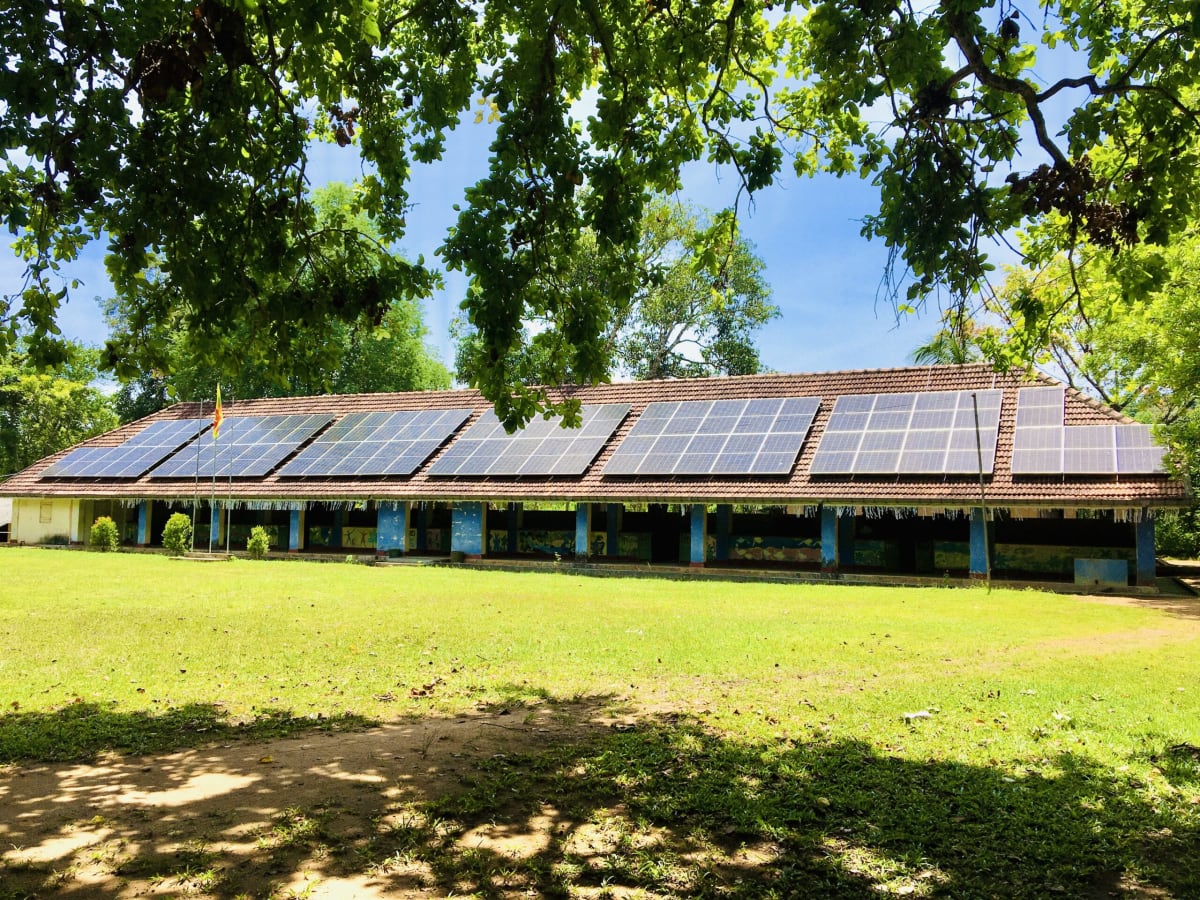
The benefits extend far beyond carbon cuts. More than 30,000 people gained access to efficient, solar powered appliances in 2025 through CLASP's programs, improving their health and earning potential.
In Kenya, Ethiopia, and Nigeria, a special financing program made it easier for entrepreneurs and small businesses to afford solar powered equipment. Farmers can now run efficient irrigation pumps. Small shop owners can refrigerate food and medicine reliably. Each efficient appliance creates opportunities that didn't exist before.
India's fan efficiency program partnered with small and medium manufacturers to boost their production capacity. Better products mean more competitive businesses and more jobs in local communities.
Christine Egan, CLASP's CEO, calls appliance efficiency "a triple win for people, planet, and prosperity." She's right. These policies prove climate action doesn't require sacrifice or suffering.
Sometimes the biggest solutions hide in the smallest places, like the compressor in your fridge or the motor in your ceiling fan.
More Images


Based on reporting by Google News - Emissions Reduction
This story was written by BrightWire based on verified news reports.
Spread the positivity!
Share this good news with someone who needs it