Smarter Warehouse Robots Win Over Humanoid Hype
While humanoid robots grab headlines, practical wheeled robots are quietly revolutionizing warehouses with better performance and lower costs. Experts say businesses should focus on results, not science fiction dreams.
The future of warehouse automation won't look like a sci-fi movie, and that's actually great news for workers and businesses alike.
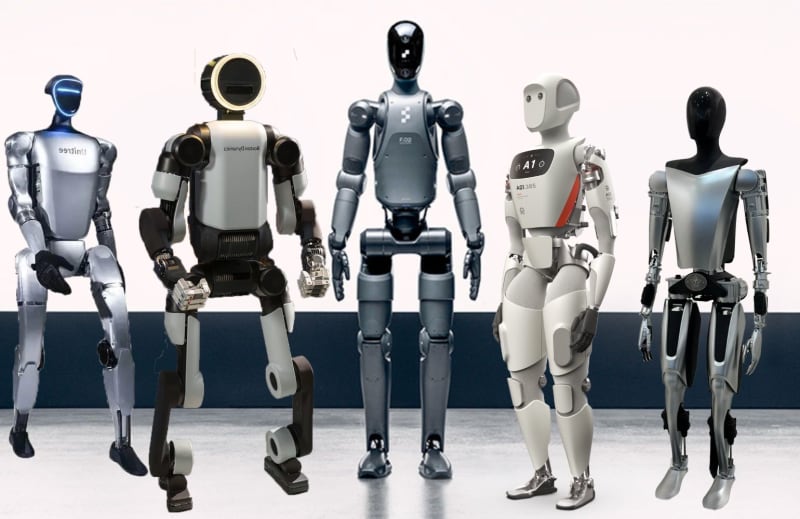
Despite hundreds of millions in funding and flashy demos of human-shaped robots from Tesla and Boston Dynamics, fewer than 20 companies will actually deploy humanoids at scale by 2028, according to new research from Gartner. The reason? Smarter, more practical alternatives are already winning.
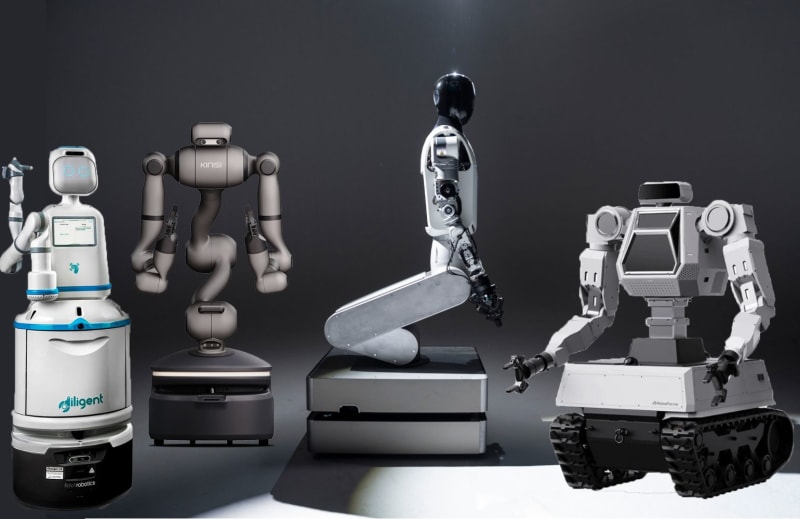
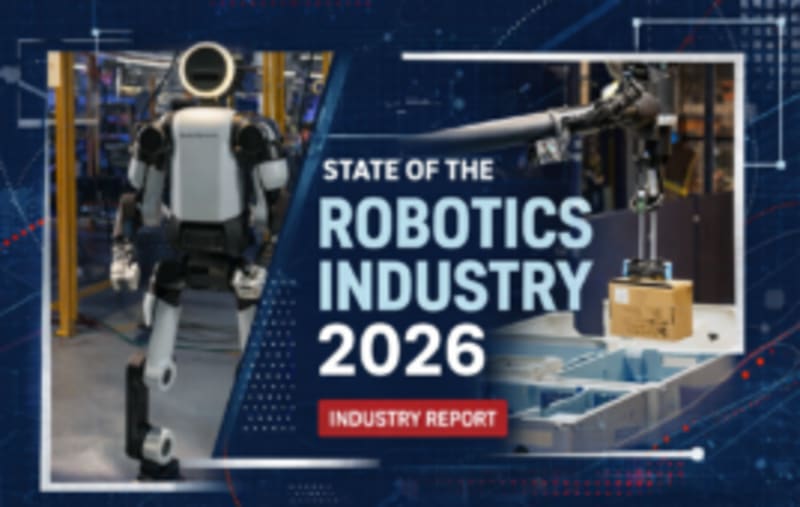
Enter polyfunctional robots: wheeled machines with telescopic arms that might not look as cool, but can move boxes, scan inventory, and perform inspections with higher uptime and lower energy use than their humanoid cousins. These workhorses are designed for efficiency rather than Instagram appeal.
The numbers tell the story. Current humanoid robots cost multiple times more than task-specific machines while delivering lower performance in real warehouse environments. They struggle with mixed product picking, trailer unloading, and fast-paced operations where practical robots excel.
Battery life remains a critical weakness for walking robots. Limited operational time means humanoids spend more time charging than working, while wheeled alternatives keep moving throughout shifts.
Why This Inspires
This shift represents something important: technology companies listening to actual needs rather than chasing Hollywood fantasies. Businesses are choosing tools that solve real problems over impressive demos that don't deliver.
Gartner's Caleb Thomson put it simply: companies should prioritize robots that maximize results per dollar invested. That practical approach means targeting specific bottlenecks rather than pursuing vague "headcount reduction" goals.
The advice for companies considering automation focuses on smart experimentation. Pilot programs let businesses validate what actually works before major commitments. Collaborating with emerging providers helps shape products that meet genuine operational needs.
This approach supports workers too. Rather than replacing humans with expensive android lookalikes, businesses can deploy reliable automation for repetitive tasks while people handle complex problem-solving.
The takeaway isn't that innovation failed, but that it succeeded differently than predicted. Sometimes the most exciting progress happens when we choose practical solutions over flashy ones.
More Images

Based on reporting by The Robot Report
This story was written by BrightWire based on verified news reports.
Spread the positivity!
Share this good news with someone who needs it