Smartphones Can Now Detect Radiation for Under $70
Scientists in Japan have turned ordinary smartphones into emergency radiation detectors using special film and a portable scanner that costs less than $70. The breakthrough could save lives by letting anyone check for dangerous radiation exposure immediately after nuclear accidents.
Your smartphone might soon become a life-saving radiation detector, thanks to researchers who figured out how to turn everyday devices into emergency medical tools.
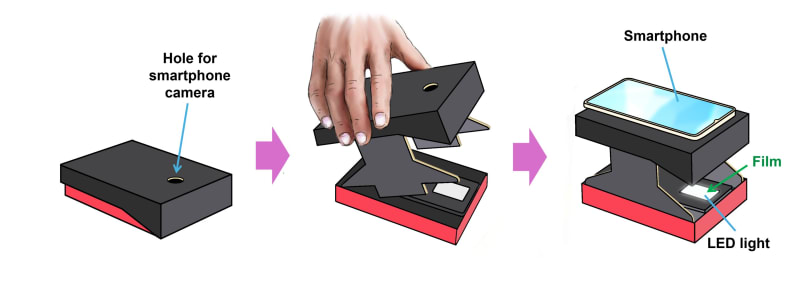
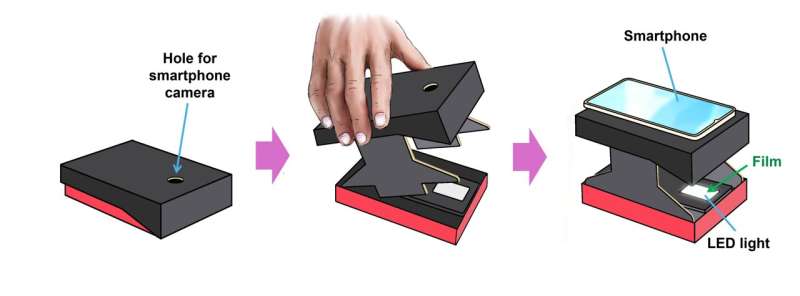
Scientists at Hiroshima University developed a system that combines a small piece of color-changing film with a foldable scanner and a smartphone camera to measure radiation exposure on the spot. The entire setup costs less than $70 and fits in a backpack.
The breakthrough addresses a critical gap in emergency response. When nuclear accidents happen, especially after natural disasters that damage infrastructure, traditional radiation detection requires expensive equipment or lab analysis that takes precious time.
Professor Hiroshi Yasuda, who led the research at Hiroshima University's Research Institute for Radiation Biology and Medicine, designed the system with worst-case scenarios in mind. "To protect people in the event of a severe radiological or nuclear accident, voluntary on-site dose assessments and prompt decisions regarding medical actions must be performed immediately," he explains.
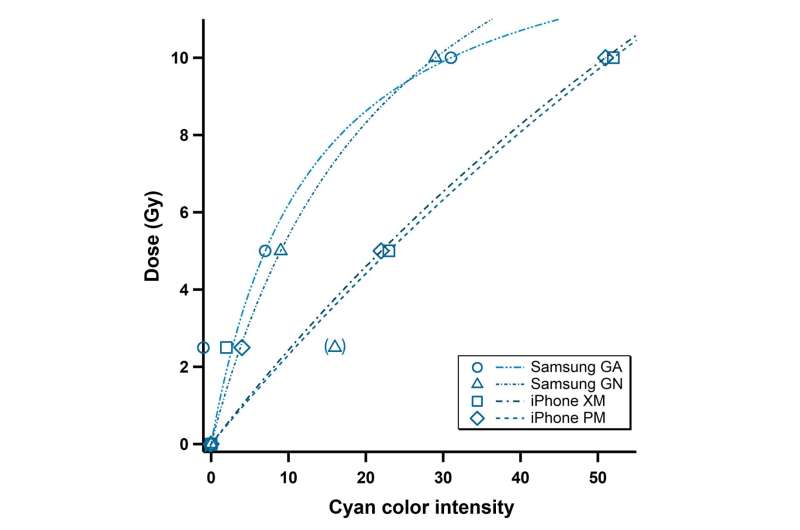
The system works elegantly. Special radiochromic film changes color instantly when exposed to radiation, visible even to the naked eye. Users place the film in the portable scanner, snap a photo with their smartphone, and run it through a mobile app that measures the color intensity to calculate radiation doses up to 10 Gray.
To put that in perspective, a 10 Gray skin dose causes permanent hair loss. This range covers the high-risk exposures where immediate medical decisions become critical.
The team tested the technology across different smartphone models, including Samsung and iPhone devices. They discovered the cyan color channel in digital images provided the most reliable and consistent measurements across all phones.
The Ripple Effect
While professional desktop scanners offer higher precision, this accessible approach transforms emergency preparedness. Instead of waiting for specialized teams with expensive equipment, first responders, medical workers, or even civilians could assess radiation exposure immediately after an incident.
The researchers envision this technology becoming part of standard emergency kits in areas near nuclear facilities or in disaster-prone regions. At under $70 per unit, governments and organizations could stockpile thousands of these systems for the cost of a few traditional dosimeters.
The team continues refining their protocols to ensure reliability across diverse environmental conditions, from extreme temperatures to humid disaster zones. They're working toward standardization that would make the system universally deployable.
This innovation represents something powerful: complex medical technology becoming simple enough for anyone to use when it matters most.
More Images

Based on reporting by Phys.org - Technology
This story was written by BrightWire based on verified news reports.
Spread the positivity!
Share this good news with someone who needs it