Sneaker Tracking Pushes Red Cross Toward Transparency
A German influencer hid an AirTag in donated sneakers and watched them travel 800 kilometers to a Bosnian market. His experiment sparked a long-overdue conversation about how charities handle donations.
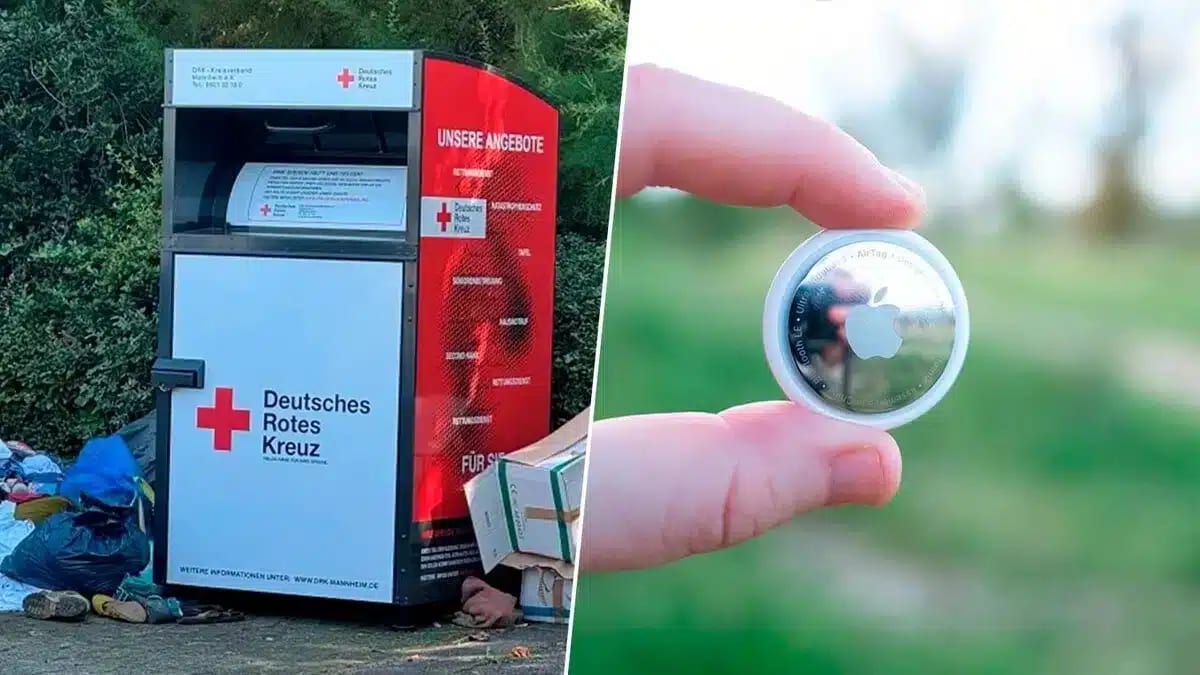
When Moe dropped a pair of sneakers into a Red Cross donation bin in Bavaria, he tucked an AirTag inside and wondered where they'd really end up. The answer surprised thousands of people and pushed one of the world's largest charities to explain how donations actually work.
The shoes traveled over 800 kilometers through five countries before landing at a market in Bosnia and Herzegovina, where they were sold for about 10 euros. Moe tracked the entire journey using Apple's Find My app, then traveled to Bosnia himself to buy back his own donation and interview the seller.
The vendor had no idea the sneakers came from a charity. He described them as regular second-hand merchandise acquired through commercial trade channels.
When Moe shared his findings on social media, the response was immediate. Thousands of donors felt blindsided, believing their contributions went directly to people in local need rather than international resale markets.
The German Red Cross responded with a detailed explanation of how modern charity logistics actually work. Not every donated item can be distributed locally, so organizations sort donations into different pathways based on condition, demand, and seasonal needs.
Some items go directly to families facing hardship. Others are sold in charity shops to fund humanitarian programs. Many enter international second-hand markets where demand is strong, generating revenue that supports disaster relief and community projects.
The Red Cross emphasized that this model is both legal and standard practice across the charity sector. Items that generate no local value can fund broader humanitarian work through commercial resale.
The Bright Side
Moe's experiment did something important. It forced a conversation that donors and charities needed to have about expectations, transparency, and trust.
The reality is that running large-scale humanitarian operations costs money, and selling surplus donations helps fund critical programs. But charities rarely explain this process clearly, creating a gap between what donors picture and what actually happens.
Now organizations across Europe face growing pressure to disclose exactly how donated items are processed. Some advocacy groups are pushing for mandatory transparency requirements, including details about any commercial resale or international redistribution.
This scrutiny isn't about catching charities doing something wrong. It's about building stronger relationships between donors and the organizations they support through honest communication.
The economics of charity work are genuinely complex, but complexity isn't an excuse for silence. When people understand how their donations create value, they can make informed choices about where and how to give.
Moe's simple tracking experiment opened a window into a system that operated in shadows for too long, and the light is making everyone better.
More Images

Based on reporting by Google: charity donation
This story was written by BrightWire based on verified news reports.
Spread the positivity!
Share this good news with someone who needs it