Snow Leopards Thrive in Uzbek Mountains After Soviet Protection
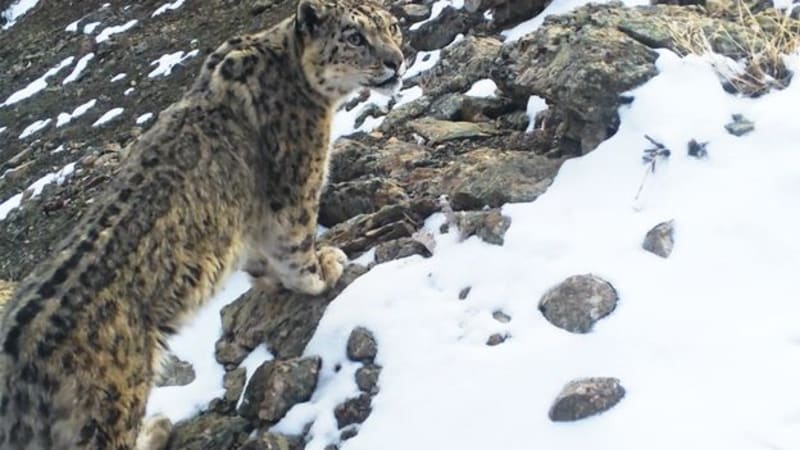
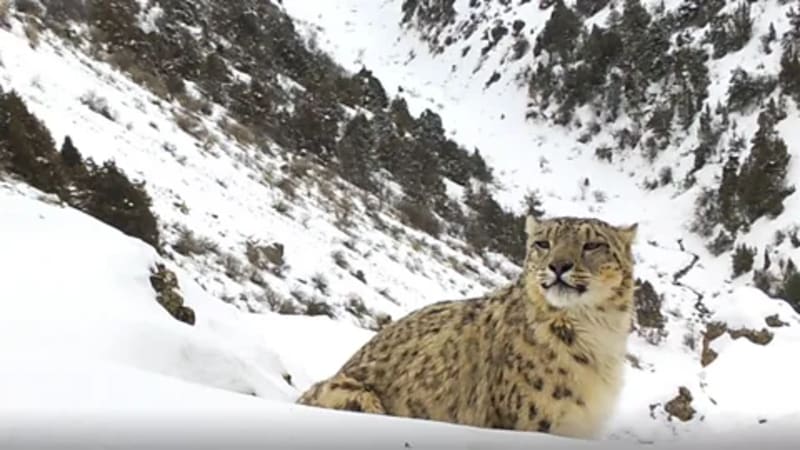
Camera traps captured a rare snow leopard in Uzbekistan's Gissar State Nature Reserve, proving these elusive "ghosts of the mountain" still roam the protected peaks. An unexpected legacy of Soviet-era conservation is now helping save one of the world's most endangered big cats.
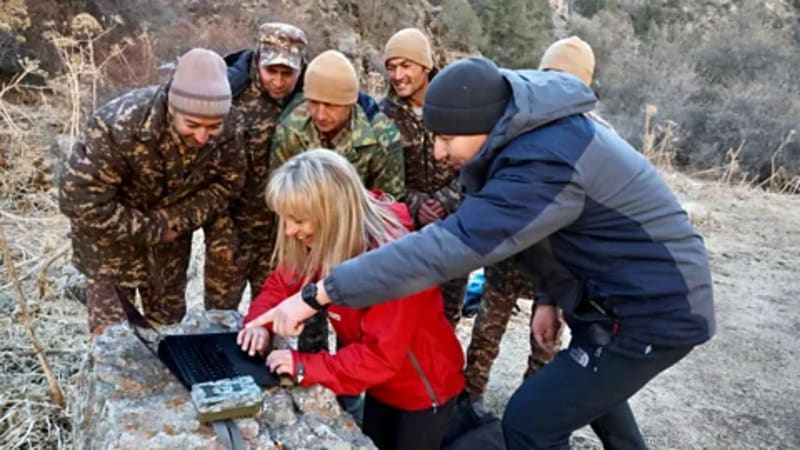
After hours of sorting through camera trap footage in freezing temperatures, wildlife filmmakers in Uzbekistan spotted something extraordinary: a snow leopard confidently prowling across the frame, its impossibly long tail trailing behind.
The sighting in Gissar State Nature Reserve confirms these rare big cats are surviving in the westernmost reaches of Central Asia's Tian Shan mountains. Only a few hundred snow leopards roam Uzbekistan's peaks, making every confirmed sighting a conservation victory.
The 313-square-mile reserve has an unusual origin story. Created in 1985 as a Soviet "zapovednik," or strictly protected scientific reserve, the area was designed as an open-air laboratory where entire ecosystems could thrive without human interference. Unlike Western national parks built for visitors, these zones banned settlements, grazing, and tourism.
After Uzbekistan's independence, the region's position along the Tajikistan border added another layer of isolation. While cities elsewhere expanded rapidly, these mountains saw almost no development for decades.
That isolation became an accidental gift to wildlife. "Despite imperfect management, the territory experienced minimal human pressure and managed to remain in an almost untouched state," says researcher Elena Bykova from the Uzbek Academy of Sciences.
Why This Inspires
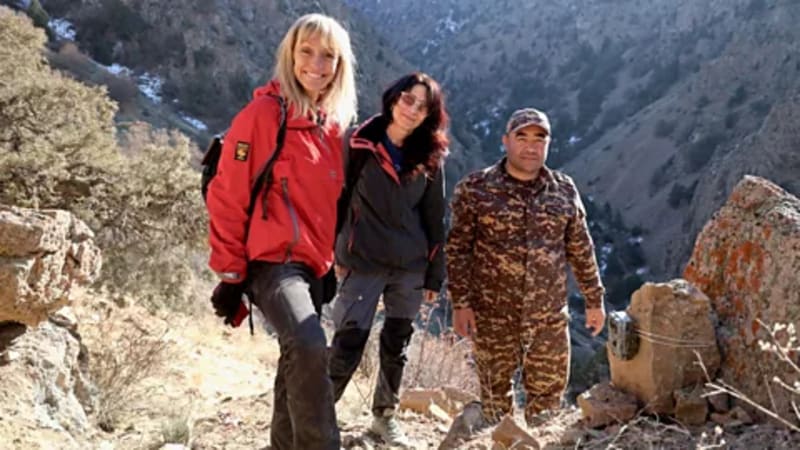
Today, Gissar protects more than 270 animal species and 1,200 plant types, many rare or endangered. Rangers now work with modern camera traps and GPS tracking to monitor snow leopards and other wildlife across terrain that has changed little in 40 years.
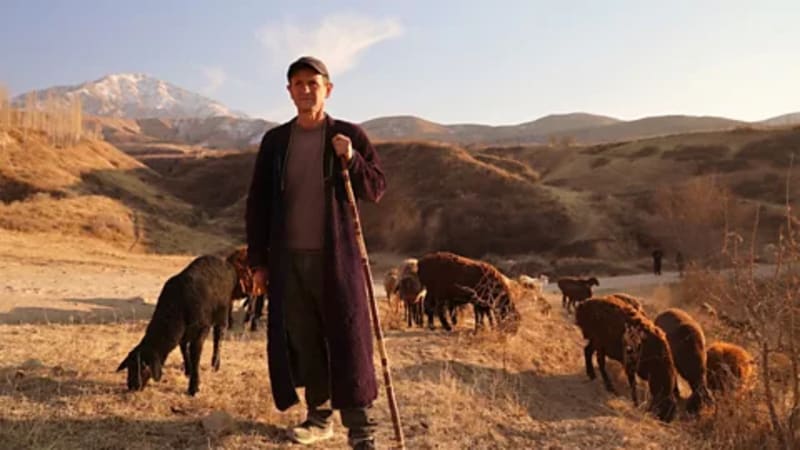
Local goat herder Askar Khasanovich Shermatov calls snow leopards "scary, but beautiful" animals, reflecting the delicate balance between human communities and wildlife conservation. In Samarkand, the ancient Silk Road city nearby, snow leopards appear on the city's emblem as symbols of protection.
The irony isn't lost on conservationists: the species once represented strength and guardianship, and now depends on human protection for survival. Snow leopards were reclassified from "endangered" to "vulnerable" in 2017, thanks partly to reserves like Gissar.
Climate change, habitat loss, and poaching still threaten these solitary cats that cover immense distances across mountain ranges. But in Uzbekistan's high peaks, strict protection from an earlier era is giving them space to hold on.
As one snow leopard's image flickered across a camera screen in the mountain cold, it offered proof that sometimes the best thing humans can do for nature is simply leave it alone.
More Images
Based on reporting by BBC Future
This story was written by BrightWire based on verified news reports.
Spread the positivity!
Share this good news with someone who needs it