Sodium Batteries Now Match Lithium in Major Breakthrough
The cheap, abundant alternative to lithium batteries just proved it can compete with Tesla's technology. Chinese-made sodium-ion batteries are charging in 15 minutes and working in freezing temperatures.
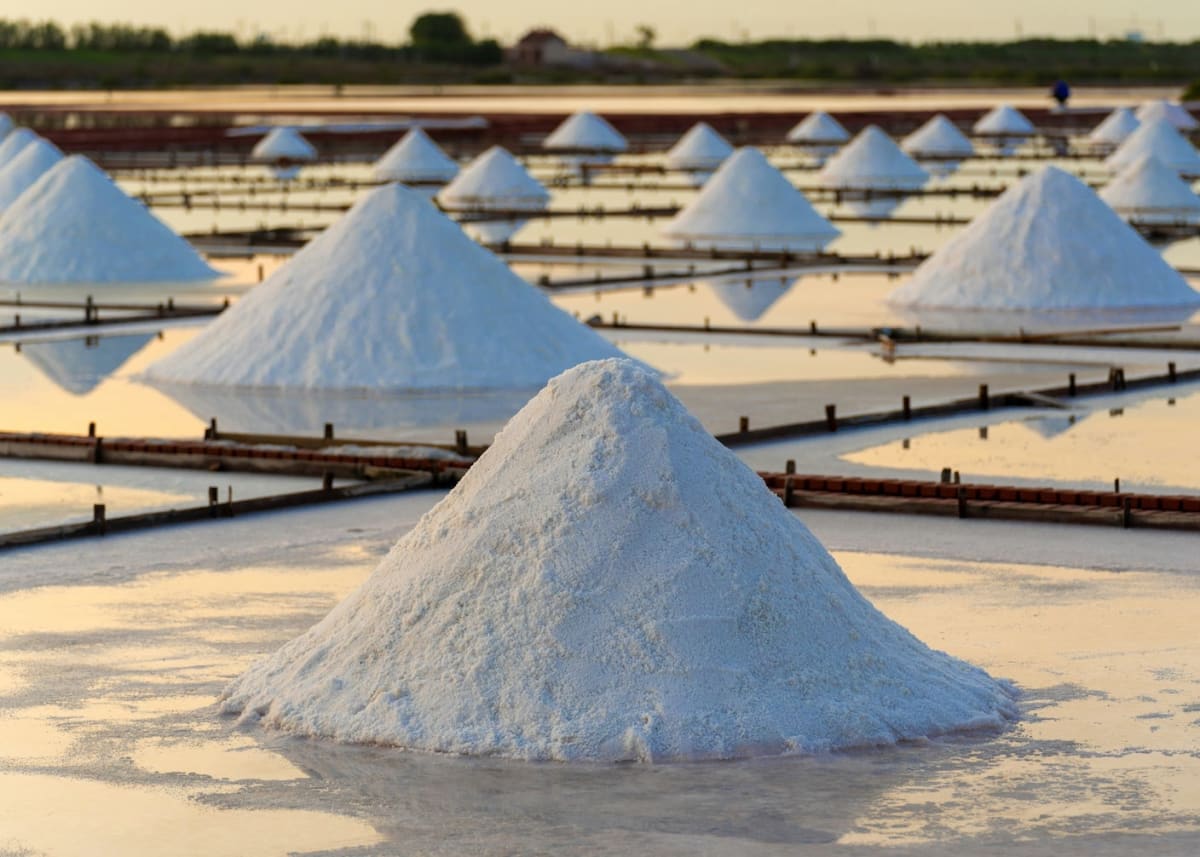
Scientists testing batteries made from ordinary table salt just discovered they perform as well as the lithium cells powering Tesla cars today.
Researchers at RWTH Aachen University in Germany put 120 sodium-ion batteries from Chinese manufacturer HiNa through rigorous testing. The results surprised even the experts: these cheaper, easier-to-source batteries matched the consistency of established lithium production lines and charged to full capacity in just 15 minutes.
The timing couldn't be better. Lithium prices have been swinging wildly in recent years, and the world's lithium supply is concentrated in just a handful of countries. Australia and Chile control most extraction, while China dominates processing. That makes the entire electric vehicle and renewable energy storage industry vulnerable to supply shocks and geopolitical tensions.
Enter sodium. The element is everywhere, it's cheap, and countries don't have to fight over it. But until now, performance concerns held it back from serious commercial use.
The German team tested the HiNa cells across temperatures from negative 4 degrees to 113 degrees Fahrenheit. They measured resistance variation at just 5.3 percent across all 120 cells, comparable to mature lithium production lines. At negative 4 degrees, the batteries still discharged over 80 percent of their usable energy after charging at room temperature.
"The combination of good uniformity, high power capability, and strong low-temperature performance makes these cells attractive," said Moritz Schütte, who co-led the study. The research appeared in Cell Reports Physical Science.
The batteries aren't perfect yet. Energy density still trails the best lithium cells, and charging in freezing temperatures remains challenging. A typical SUV with a sodium battery would get around 215 miles per charge, compared to 250 to 370 miles for lithium-powered vehicles.
The Ripple Effect
But here's what makes this breakthrough matter: CATL, the world's dominant battery manufacturer, isn't waiting around. The company plans to begin mass-producing sodium-ion cells in the fourth quarter of this year. Chinese automaker Changan Automobile already started selling the Nevo A06, fitted with a CATL sodium-ion battery.
CATL's chief technology officer recently declared "the era of sodium and lithium shining together has arrived." That means more options for consumers, less pressure on lithium supplies, and potentially lower costs for electric vehicles and home energy storage systems.
The researchers found that sodium batteries excel in applications where cost and resource availability matter more than maximum range. Think city buses, delivery vans, and grid storage for renewable energy. With 15-minute charging times, a 215-mile range suddenly looks a lot more practical.
For countries without access to lithium deposits, sodium batteries offer a path to energy independence and participation in the electric vehicle revolution.
Cheaper, easier-to-source batteries that charge fast and work in extreme temperatures? That's the kind of technology that makes clean energy accessible to everyone.
More Images




Based on reporting by Singularity Hub
This story was written by BrightWire based on verified news reports.
Spread the positivity!
Share this good news with someone who needs it