Sodium Batteries Now Rival Tesla's at Fraction of the Cost
A new study reveals that sodium-ion batteries already powering Chinese electric vehicles match Tesla's lithium batteries in most performance areas while using cheaper, more abundant materials. This breakthrough could slash battery costs and reduce dependence on scarce lithium supplies.
Electric vehicles just got a major step closer to becoming affordable for millions more people, thanks to batteries made from one of Earth's most common elements.
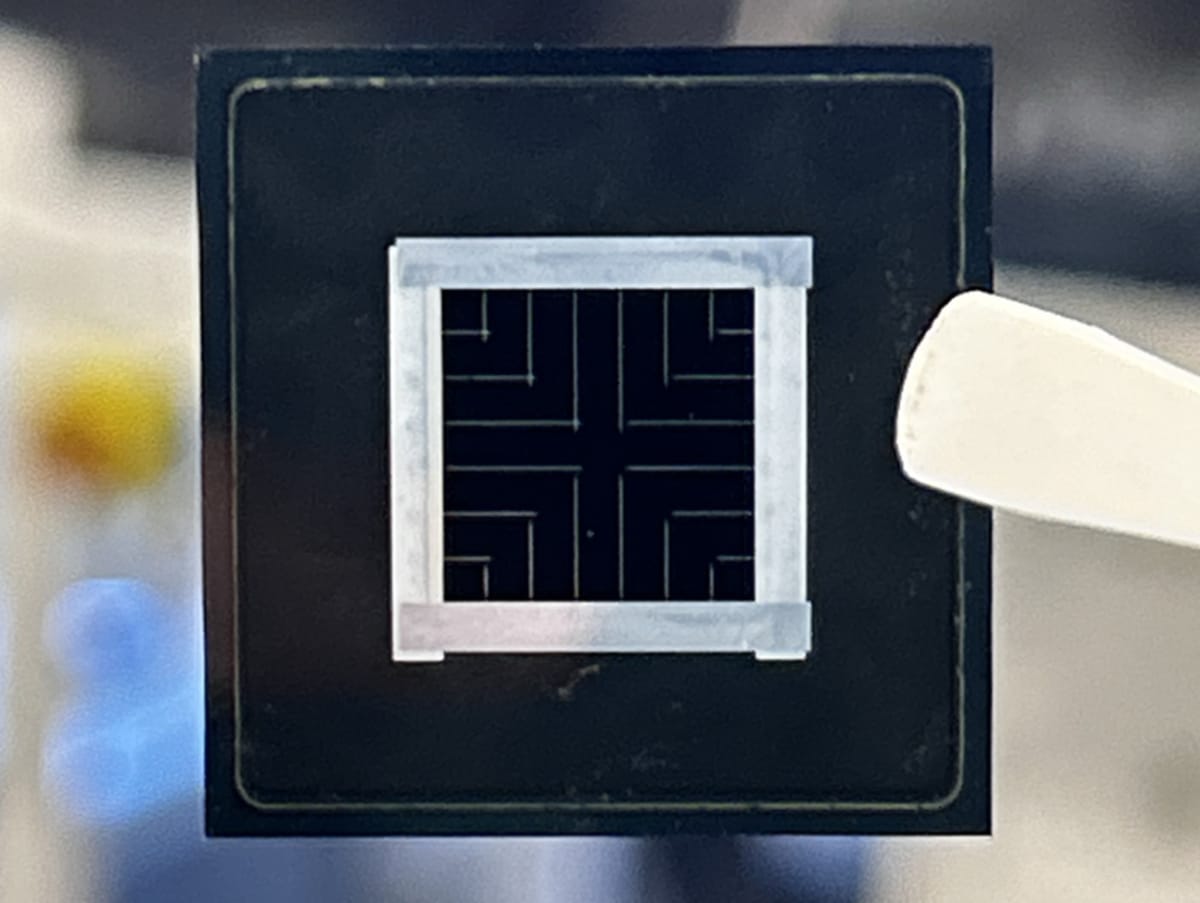
Researchers at RWTH Aachen University in Germany studied sodium-ion batteries currently used in Chinese cars and energy storage systems. They discovered these batteries match Tesla's lithium-ion batteries in nearly every performance category.
The implications are huge. Sodium sits abundantly in seawater and salt deposits worldwide, while lithium remains rare and expensive. Battery makers could slash raw material costs and dodge the supply chain headaches that come with precious metals.
The study, published May 28 in Physical Science, focused on batteries from HiNa, a spin-off of the Chinese Academy of Sciences. HiNa already partners with automakers like JAC to power real electric vehicles on real roads.
"We were positively surprised by how uniform the cells are," says battery researcher Moritz Schütte. His team tested 120 sodium-ion battery cells under temperatures ranging from negative 20 degrees Celsius to 45 degrees Celsius.
The sodium batteries use a tabless design with a double-aluminum current collector. This setup reduces resistance and keeps temperatures even, mirroring the exact approach Tesla currently uses.
The Ripple Effect
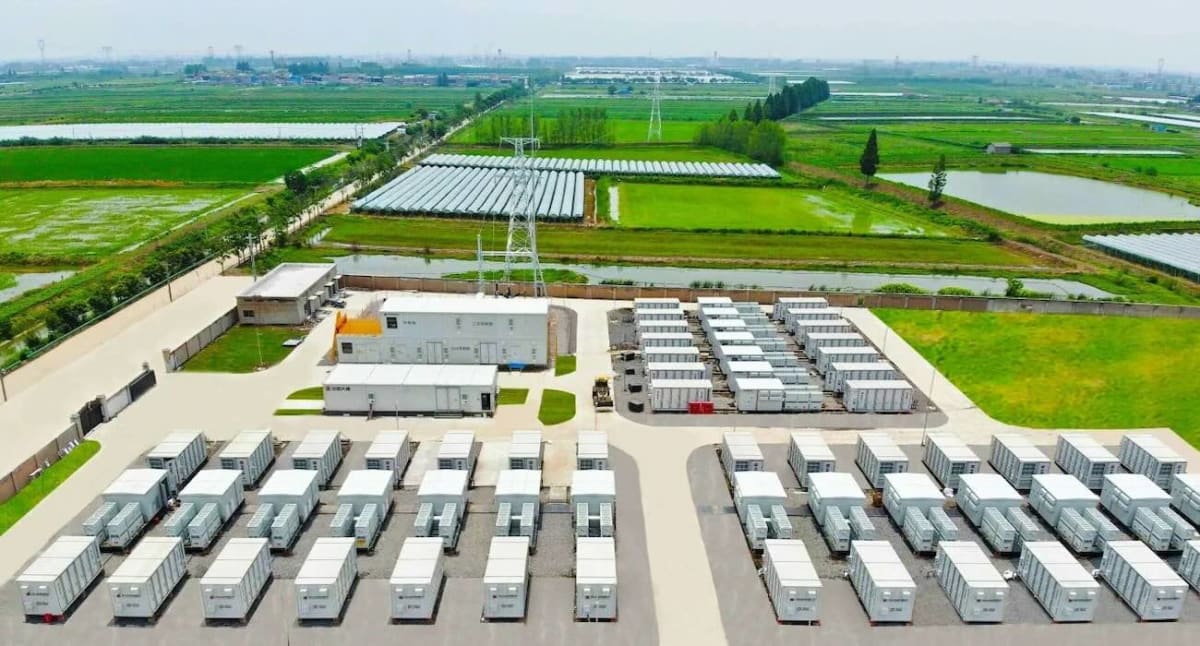
This isn't just about making cheaper electric cars. Sodium-ion batteries excel at large-scale energy storage, meaning they could help store power from solar panels and wind turbines more affordably.
The batteries perform especially well under load in freezing conditions. That makes them perfect for stationary power storage in cold climates and commercial vehicles where cost matters more than maximum range.
"The combination of good uniformity, high power capability, and strong low-temperature performance makes these cells attractive for stationary storage, grid services, and shorter-range or commercial vehicles," Schütte explains.
The technology does face some hurdles. Energy density remains lower than the best lithium batteries, and charging in extreme cold needs improvement. The researchers also found unexpected copper distribution in the cathode that could affect long-term performance.
But the team sees clear paths forward. Better hard-carbon anodes and improved electrolyte formulations could boost performance even further. The goal is creating batteries free of both nickel and copper while maintaining competitive energy density.
Schütte and his colleagues are now working to improve charging capabilities below freezing so the batteries can charge safely and efficiently in winter conditions.
The technology is already commercial, already working, and already proving that the next generation of affordable clean energy might run on salt instead of rare metals.
More Images


Based on reporting by Good News Network
This story was written by BrightWire based on verified news reports.
Spread the positivity!
Share this good news with someone who needs it