Sodium Battery Breakthrough Makes Energy Storage Safer
Japanese researchers just solved a key safety challenge in next-generation batteries by adding one simple ingredient. The discovery could accelerate the shift away from volatile lithium-ion technology to safer, more affordable energy storage.
Scientists at Kogakuin University have discovered that adding phosphorus to sodium-based batteries dramatically improves their safety and performance, bringing us closer to a world where exploding phones and fire-prone electric vehicles become relics of the past.
The research team experimented with sodium-yttrium-silicate glasses, adding phosphorus compounds to see what would happen. What they found surprised them: the phosphorus triggered the formation of a crystal structure that conducts electricity exceptionally well while remaining completely non-flammable.
Traditional lithium-ion batteries use liquid electrolytes that can catch fire or explode under stress. These new sodium-based solid electrolytes eliminate that risk entirely while charging faster and costing less to produce.
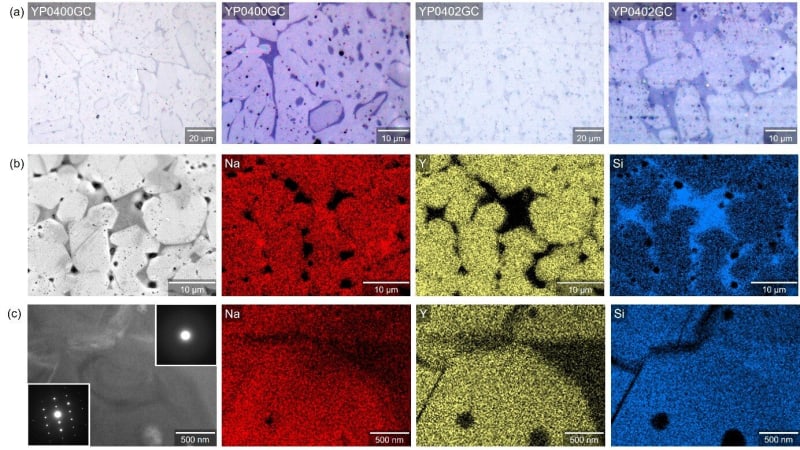
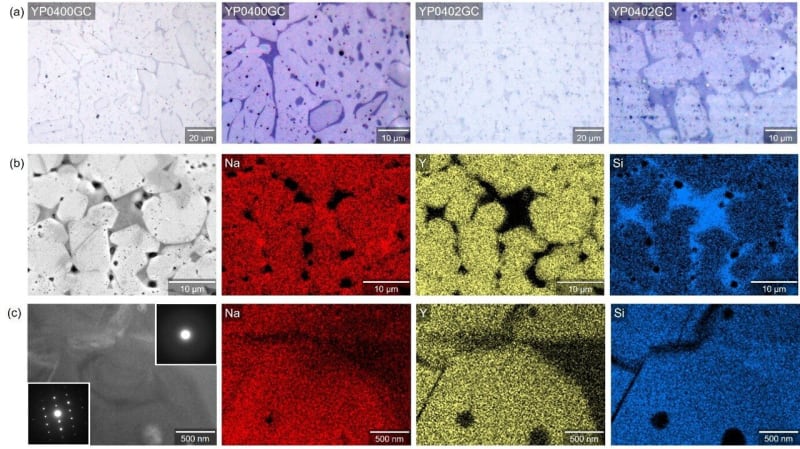
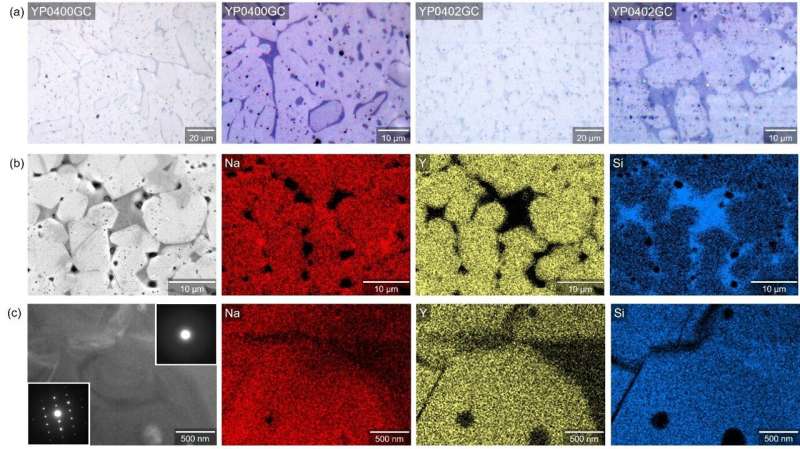
The breakthrough came from understanding exactly where the phosphorus goes after being added. Using advanced imaging techniques including electron microscopy and neutron diffraction, researchers discovered the phosphorus integrates directly into the crystal structure rather than floating around loosely. This precise positioning is what gives the material its superior conducting properties.
Sodium offers compelling advantages over lithium for large-scale energy storage. It's naturally abundant in seawater and costs a fraction of lithium's price. With global demand for batteries skyrocketing, these economics matter tremendously for making clean energy accessible worldwide.
The Ripple Effect
This discovery arrives at a critical moment for renewable energy expansion. Solar and wind farms need massive battery systems to store power when the sun sets and winds calm. Affordable, safe sodium batteries could remove a major cost barrier preventing developing nations from building their own renewable grids.
The technology also promises faster charging times. Solid electrolytes allow ions to move more freely than liquid ones, potentially cutting charging waits from hours to minutes. Imagine fully charging an electric vehicle during a quick coffee stop.
The research team published their findings in Ceramics International in December 2025, and multiple battery manufacturers have already expressed interest in commercializing the technology. The path from laboratory to factory typically takes several years, but the simplicity of adding phosphorus to existing sodium battery designs could speed adoption.
Beyond electric vehicles and grid storage, safer batteries open possibilities for applications where fire risk currently prohibits battery use. Airlines could power more systems electrically. Remote communities could install solar-battery systems without specialized fire suppression equipment.
The researchers continue refining their formula, testing how different phosphorus concentrations affect performance across various temperatures and charging speeds.
A future where batteries power our lives without the anxiety of thermal runaway and fires just moved significantly closer to reality.
More Images


Based on reporting by Phys.org - Technology
This story was written by BrightWire based on verified news reports.
Spread the positivity!
Share this good news with someone who needs it