Sodium Battery Deal Could Store Power for 125,000 Homes
A new partnership will deploy safer, American-made sodium batteries that avoid the supply chain risks of lithium. The first project in California could power thousands of homes by 2027.
📺 Watch the full story above
Energy storage just got a major boost from an unexpected source: table salt's cousin.
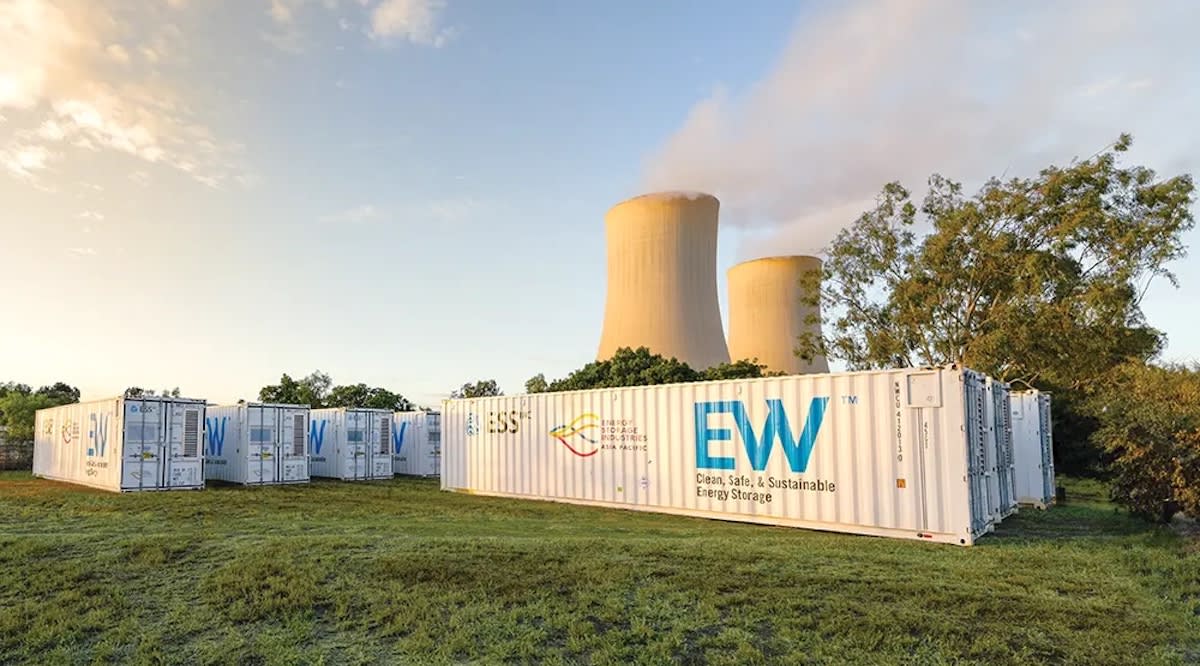
ESS Tech and Juniper Energy signed an agreement to deploy over 500 megawatt hours of sodium-ion battery storage systems by 2032. That's enough capacity to store electricity for roughly 125,000 homes during peak hours.
The partnership kicks off with an 80 MWh project in California slated for 2027. This first installation will test ESS's new Bridge system, a modular sodium-ion storage solution designed to work alongside renewable energy sources like solar and wind.
Unlike the lithium batteries powering most electric cars and storage facilities today, sodium-ion technology uses materials as common as salt. Sodium is abundant in the United States and doesn't require mining operations concentrated in a handful of countries.
"This validates our strategy to bring sodium-ion energy storage to market," said Drew Buckley, ESS's CEO. The company has been working on the technology since 2011, focusing on safer alternatives to lithium systems.
Juniper Energy chose ESS because the company has already proven it can move advanced storage solutions from concept to reality. "ESS has demonstrated its ability to integrate, deploy, and scale advanced energy storage solutions," said Keith McDaniels, Managing Partner at Juniper Energy.
The timing couldn't be better. Energy storage demand is exploding as more renewable power comes online and AI data centers require reliable backup systems. Traditional lithium batteries face supply chain vulnerabilities and restrictions on foreign-sourced materials.
The Ripple Effect
This agreement signals a turning point for American energy independence. By using domestically available materials, sodium-ion batteries could help the US build critical infrastructure without relying on international supply chains that have proven fragile during recent global disruptions.
The technology also addresses safety concerns that have plagued some lithium battery installations. Sodium-ion systems are less prone to thermal runaway, the dangerous overheating that can lead to fires.
As renewable energy becomes cheaper and more widespread, storage remains the missing piece. Solar panels generate power during sunny days, but cities need electricity at night. Wind turbines spin when breezes blow, but demand peaks at different times.
Battery storage bridges these gaps, making clean energy reliable enough to replace fossil fuel power plants. Projects like this California installation prove the technology is moving from experimental to commercial scale.
If Juniper Energy follows through on its full commitment, the 500 MWh of storage could help California manage its grid during peak demand periods and reduce reliance on natural gas peaker plants.
The energy future Americans have been waiting for is getting stored in something as simple as sodium.
More Images
Based on reporting by CleanTechnica
This story was written by BrightWire based on verified news reports.
Spread the positivity!
Share this good news with someone who needs it