Sodium Battery Startup Ships Safer Home Storage to Europe
A California startup just delivered the first home batteries made from salt instead of lithium to European homes. The 25-year batteries could make solar power safer and cheaper without relying on scarce minerals.
Imagine powering your home with a battery made from one of Earth's most abundant materials: salt.
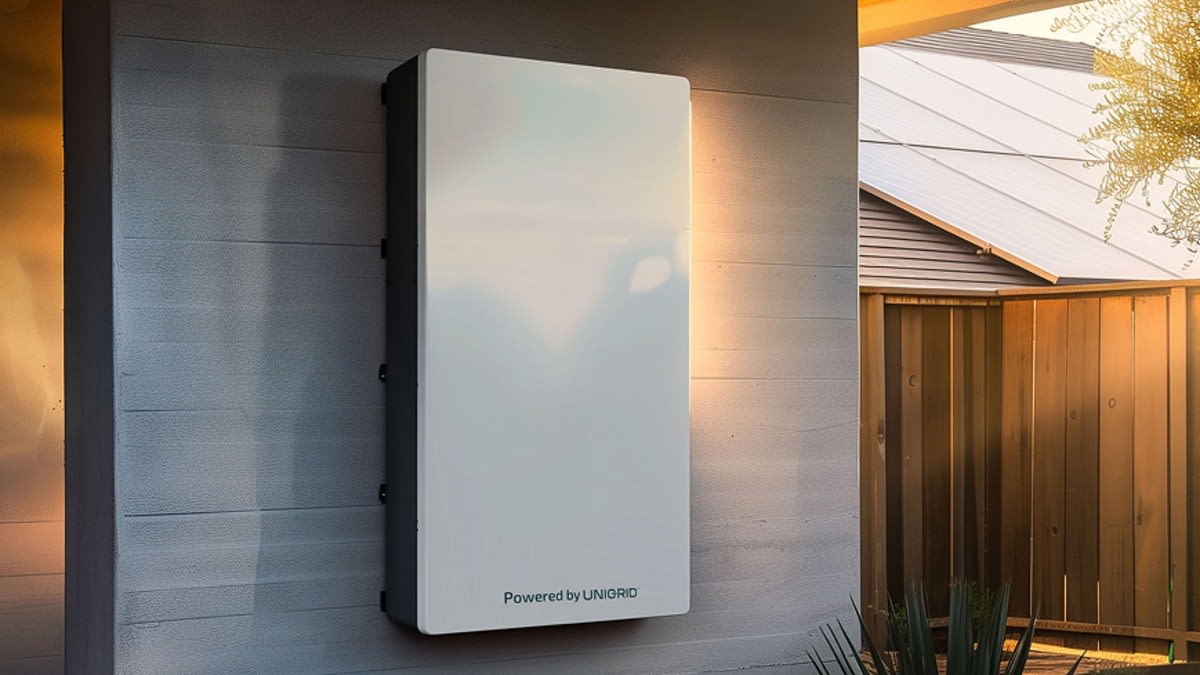
California startup UNIGRID just shipped its first sodium-ion home batteries to customers across Europe, marking a major milestone for an alternative to traditional lithium storage. The company expects to bring the Na+Casa system to American homes by late 2026, pending certification.
Home batteries are growing more popular as people pair them with rooftop solar panels to cut electricity bills and keep the lights on during outages. Until now, nearly all these systems have relied on lithium-ion technology, the same chemistry that powers phones and electric cars.
UNIGRID is betting on a different approach. Sodium-ion batteries use salt-based chemistry instead of lithium, cobalt, and nickel. That means no competition with the mining and supply chains that make lithium batteries expensive and sometimes hard to source.
The Na+Casa battery stores 9.25 kilowatt-hours of electricity and works with most existing solar inverters. UNIGRID says it's priced competitively with lithium systems, making the switch easier for homeowners.
What really sets sodium-ion apart is safety and longevity. The battery is designed to last 25 years, matching the typical lifespan of solar panels. That could save homeowners thousands of dollars by eliminating the need to replace batteries midway through their solar system's life.
The sodium chemistry also eliminates thermal propagation, the chain reaction that allows battery fires to spread from cell to cell. While modern lithium batteries already include extensive safety features, removing this risk entirely gives homeowners extra peace of mind.
Temperature tolerance is another advantage. The Na+Casa operates in temperatures from negative 40 to 140 degrees Fahrenheit, handling everything from Arctic cold to desert heat without breaking a sweat.
The Ripple Effect
UNIGRID currently produces enough battery cells for 200 megawatt-hours of storage annually. By 2027, the company plans to scale up to 2 gigawatt-hours through partnerships with manufacturers in China, South Korea, and Japan.
That expansion could help stabilize renewable energy prices as more homeowners adopt solar power. Sodium's abundance means supply won't be constrained by the geopolitical challenges that affect lithium mining.
The technology is gaining traction beyond home storage too. Sodium-ion batteries are being explored for electric vehicles and grid-scale energy projects, though their lower energy density makes them less ideal for applications where weight matters.
As energy bills climb and extreme weather events strain power grids, CEO Darren Tan says homeowners need storage that's safe, reliable, and financially sound. UNIGRID's first European installations prove that sodium-ion has moved from laboratory promise to living room reality.
Clean energy just got a little more accessible, and it started with salt.
More Images


Based on reporting by Electrek
This story was written by BrightWire based on verified news reports.
Spread the positivity!
Share this good news with someone who needs it