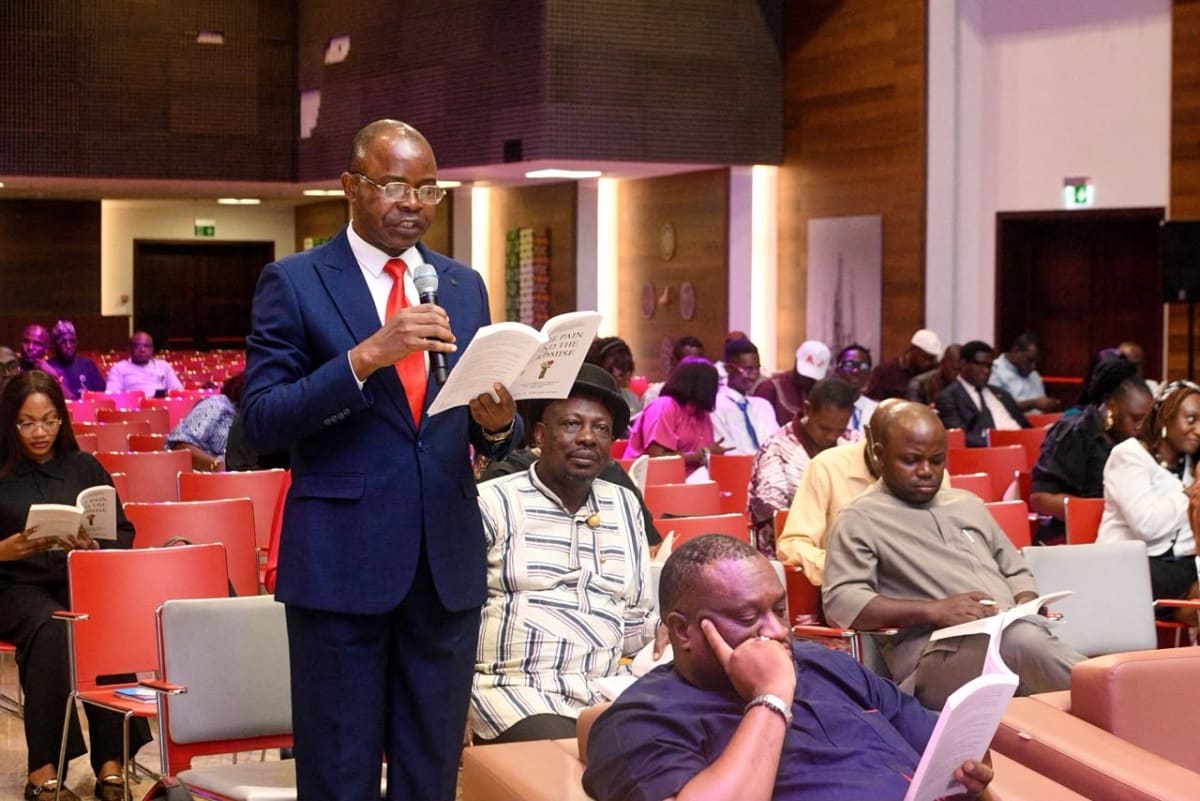
Sokoto Cleric Celebrates Eid Early, Community Stays Peaceful
When an Islamic cleric in Sokoto, Nigeria celebrated Eid prayers a day earlier than the official date, authorities confirmed the community remained completely calm. The peaceful observance highlights how religious diversity can coexist without conflict.
In a remarkable display of community tolerance, Sokoto residents maintained peace after cleric Musa Lukuwa held Eid al-Fitr prayers on Thursday, one day before the official celebration date announced by the Sultan of Sokoto.
Mr. Lukuwa based his decision on a reported moon sighting in neighboring Niger Republic, marking the end of Ramadan after 29 days. He argued that Muslims in Sokoto share geographical and religious proximity with Niger communities, and Islamic teachings permit relying on verified moon sightings beyond national borders.
The decision diverged from the traditional process where the Sultan of Sokoto coordinates moon sighting committees across Nigeria to ensure uniformity in religious observances. His official announcement set Friday as the Eid celebration date, which most Nigerian Muslims followed.
Police spokesman Ahmad Rufa'i confirmed there was zero tension following the early celebration. "The cleric and his followers held the Eid prayer today and have even dispersed without any tension generated," he said.
Security personnel remained on alert to ensure peaceful conditions for Friday's wider celebrations. The calm atmosphere demonstrated the community's maturity in handling religious differences.
The Bright Side
While headlines often focus on religious discord, Sokoto's peaceful response tells a different story. Community members with differing interpretations of moon sighting traditions coexisted respectfully, choosing understanding over confrontation.
This wasn't about defiance but about differing scholarly interpretations that have existed in the Muslim world for centuries. Scholars have long debated whether to rely on local moon sightings or accept reports from other regions, particularly in border communities with close ties to neighboring countries.
The Jama'atu Nasril Islam and other religious bodies continue emphasizing coordinated processes to promote unity. Yet this moment proved that unity doesn't require uniformity when communities choose respect and peaceful coexistence.
In a world where religious differences too often spark conflict, Sokoto demonstrated something better: neighbors allowing each other to practice faith according to conscience while maintaining communal peace.
More Images



Based on reporting by Premium Times Nigeria
This story was written by BrightWire based on verified news reports.
Spread the positivity!
Share this good news with someone who needs it