Solar Car Outperforms Home Panels at 8 AM
A solar electric vehicle generated more than double the power of a house's rooftop panels during early morning hours, proving curved solar technology can capture low-angle sunlight traditional panels miss. The breakthrough shows how purpose-built solar cars could meaningfully reduce charging needs for everyday drivers.
Imagine parking your car outside and watching it generate more electricity than your entire house. That's exactly what happened to Steve Fambro, CEO of solar car company Aptera, on a typical April morning.
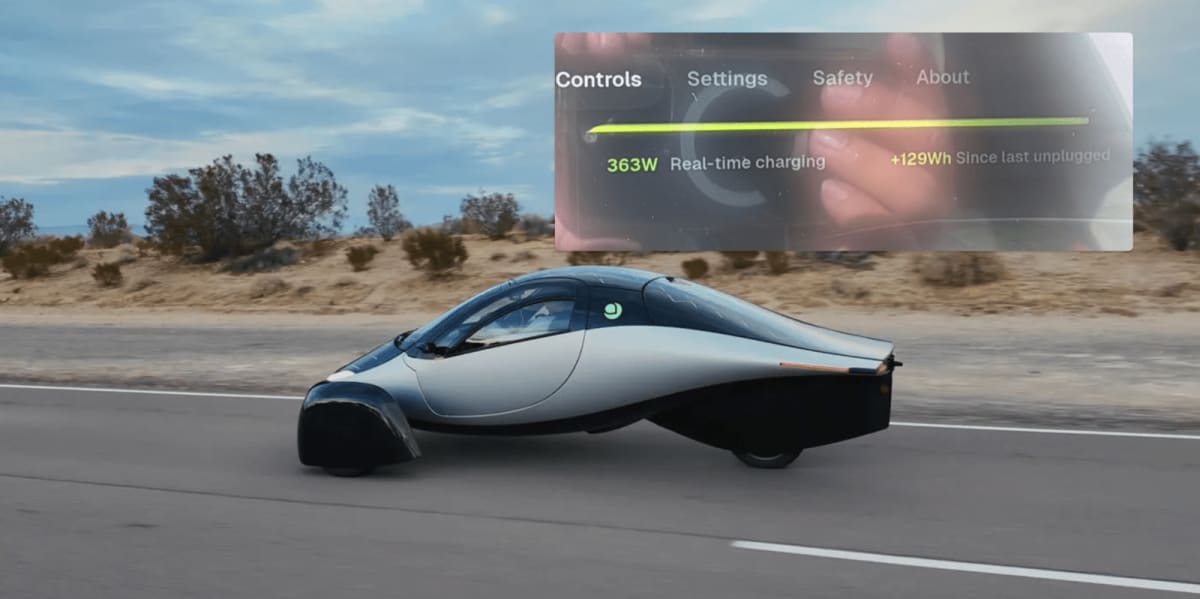
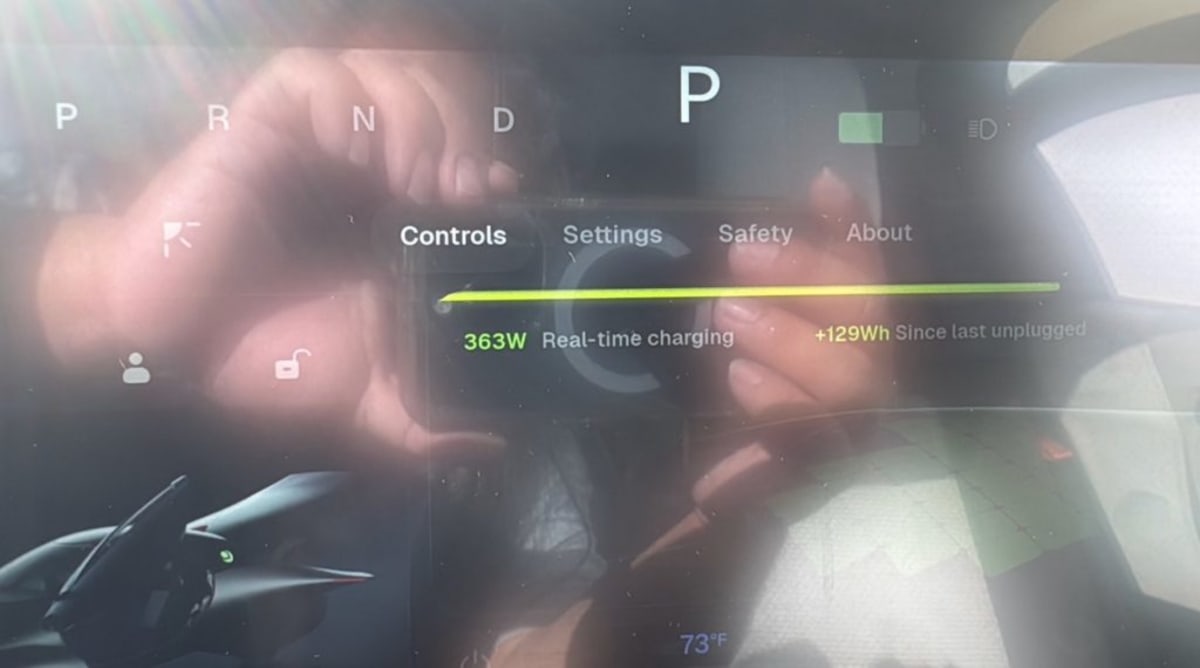
At just after 8 a.m., Fambro's home solar panels were producing 136 watts of power. His solar electric vehicle sitting in the driveway? A whopping 363 watts, more than double his rooftop system.
The reason isn't magic. It's geometry, and it reveals why solar cars might finally be ready for their moment.
Traditional rooftop solar panels face one direction at a fixed angle, optimized for peak midday sun. When the sun sits low on the horizon in early morning or late afternoon, those panels catch light at a steep angle and lose efficiency. Trees, chimneys, and roof orientation create additional obstacles.
Aptera's vehicle wraps 700 watts worth of solar cells across the hood, dashboard, roof, and rear hatch. At any sun angle, some portion of those curved panels faces the light nearly head-on, maximizing energy capture throughout the day.
The company says this design can add up to 40 miles of daily range in sunny climates, a claim they've been validating through real-world testing since 2025. For context, the average American drives about 30 miles per day.
That doesn't mean the car beats the house all day long. Fambro's rooftop system almost certainly generated far more total energy by sunset. But during those critical low-sun hours when most solar systems underperform, the vehicle's curved design gives it a decisive edge.
The Ripple Effect
The implications reach beyond one CEO's driveway. A commuter who parks outside at work could potentially offset most of their daily driving without ever plugging in. Office workers, teachers, retail employees, anyone with outdoor daytime parking suddenly gains access to energy they're currently leaving on the table.
Aptera completed its first vehicle off the validation assembly line in March 2026 and secured funding to continue production through early 2028. The company went public on NASDAQ last year, giving everyday investors a chance to support the technology.
Solar panel efficiency keeps improving, and battery technology gets lighter every year. A solar car that reduces plug-in charging today could theoretically eliminate it entirely within a decade as those technologies advance.
The physics has always worked; now it's just about building enough of them to prove it.
More Images


Based on reporting by Electrek
This story was written by BrightWire based on verified news reports.
Spread the positivity!
Share this good news with someone who needs it