Solar Cell Breakthrough Hits 10.7% Efficiency Record
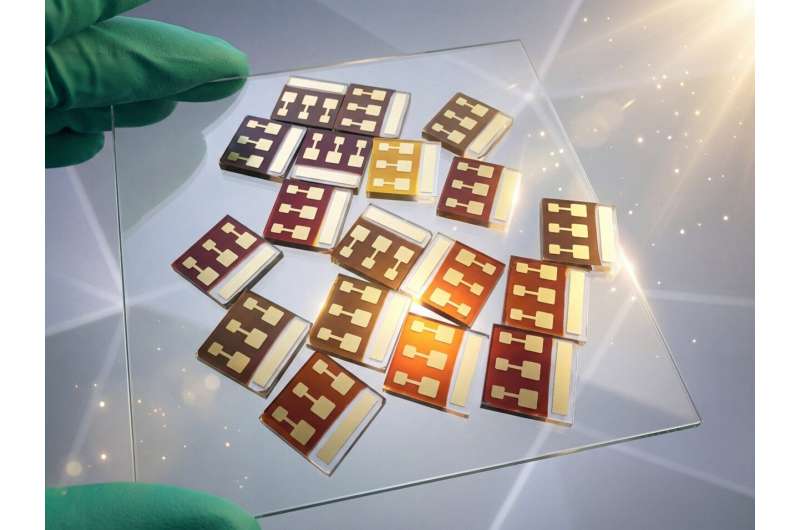
Australian engineers just cracked a stubborn problem holding back cheaper, more efficient solar panels. Their breakthrough with antimony chalcogenide solar cells earned the material its first spot in international solar efficiency records.
Engineers at the University of New South Wales have shattered the efficiency record for a promising new solar material that could make future solar panels cheaper and more durable.
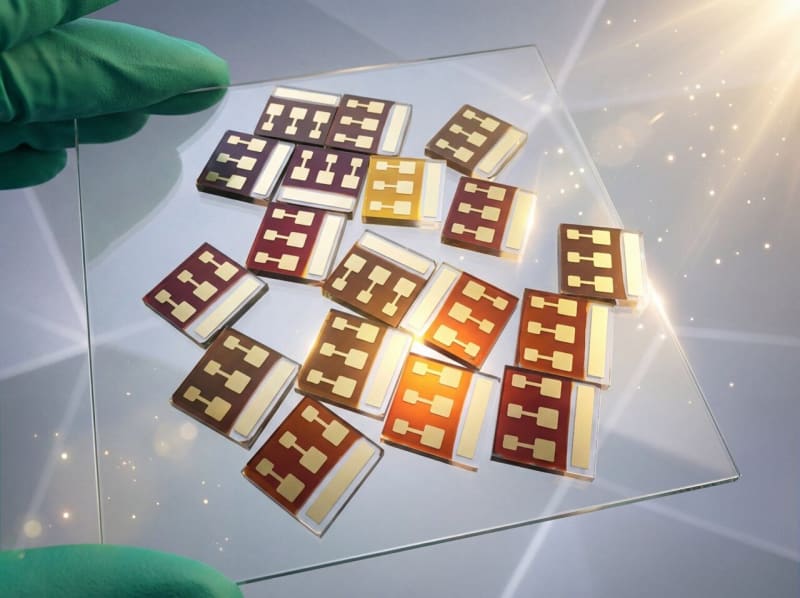
The team achieved 10.7% efficiency with antimony chalcogenide solar cells, earning this material its first ever spot in the international Solar Cell Efficiency Tables. That might not sound huge, but it's the highest independently verified performance for this material anywhere in the world.
What makes this breakthrough special isn't just the number. The team finally figured out why earlier versions kept underperforming, solving a puzzle that had stumped researchers since 2020.
Professor Xiaojing Hao and her team discovered the problem was uneven distribution of sulfur and selenium during manufacturing. This created an energy barrier that trapped electrical charges, like forcing cars to drive uphill instead of on flat roads.
The solution turned out to be surprisingly simple. Adding a small amount of sodium sulfide during production stabilized the chemical reactions and smoothed out the energy pathway.
Antimony chalcogenide has some impressive advantages that make it perfect for next generation solar panels. It's made from abundant, cheap elements rather than rare materials. It stays stable over time because it's inorganic. And it only needs to be 300 nanometers thick, about one thousandth the width of a human hair, to absorb sunlight efficiently.
The material can also be manufactured at low temperatures, which cuts energy costs during production. This opens the door to large scale, affordable manufacturing that could bring solar technology to more people.
The Ripple Effect
This material isn't just for rooftop panels. Its ultrathin, semi-transparent properties make it perfect for see-through solar windows, and a spinoff company called Sydney Solar is already developing solar "stickers" for windows.
The material's sweet spot for indoor light means it could power smart badges, e-paper displays, self-powered sensors, and internet connected devices. Imagine never changing batteries in your wireless devices again.
Dr. Chen Qian, the study's first author, believes they can push efficiency to 12% in the near future by reducing defects through chemical treatments. Each percentage point matters when you're talking about powering homes and offices.
The next generation of solar panels will likely use tandem cells, stacking two or more layers to capture different parts of the light spectrum. Researchers worldwide are racing to find the best material to pair with traditional silicon cells, and antimony chalcogenide just became a serious contender.
The future of affordable, efficient solar power just got a little brighter.
More Images

Based on reporting by Google: renewable energy record
This story was written by BrightWire based on verified news reports.
Spread the positivity!
Share this good news with someone who needs it