Solar Eclipses Make Us Kinder, Science Shows
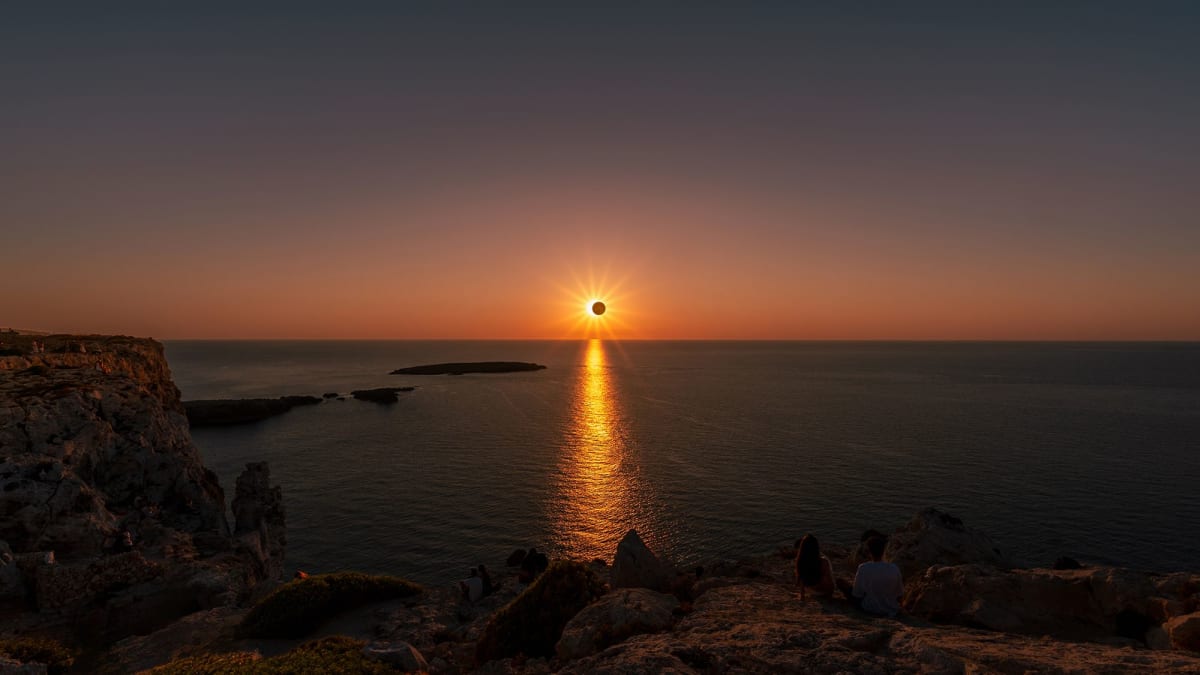
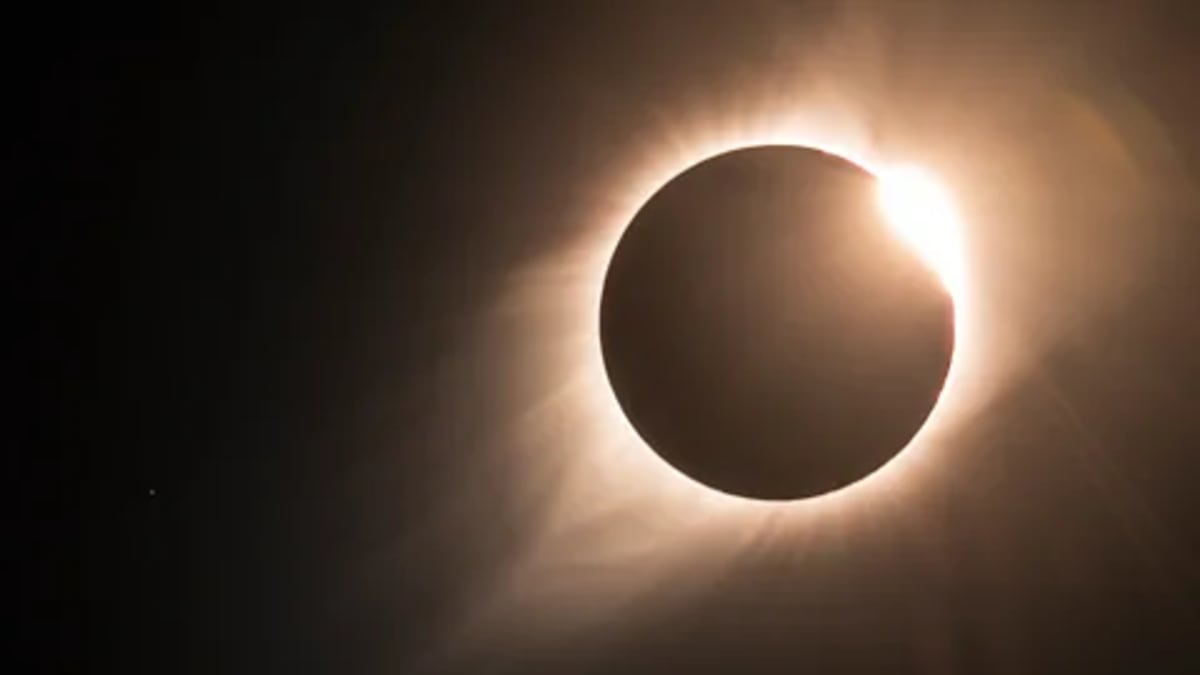
When the Moon blocks the Sun, something remarkable happens to human psychology. New research reveals that witnessing a solar eclipse doesn't just inspire wonder—it actually makes us more humble, generous, and connected to each other.
A solar eclipse ended a six-year war in 585 BC when battling armies suddenly stopped fighting and made peace. While we might not see warriors dropping their weapons this August, scientists say eclipses still work a special kind of magic on our minds.
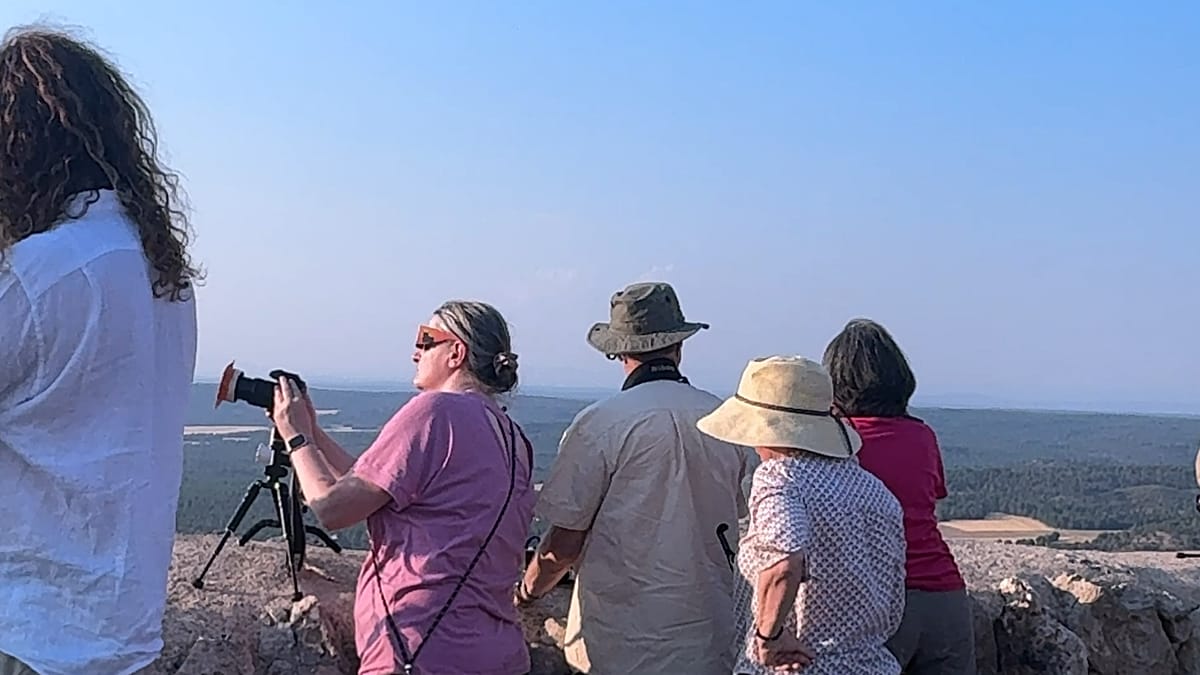
Researchers at Johns Hopkins University studied how the 2017 eclipse affected people's psychology. They discovered something beautiful: witnessing the celestial event made people feel closer to their communities and more connected to strangers.
The secret lies in an emotion called awe. When we experience something vast that makes us feel small, our egos quiet down and we start seeing the world differently.
Scientists at the University of Toronto tested this by showing people videos of space. Afterward, those who watched the cosmic footage wrote more humbly about themselves and gave more credit to luck and outside help for their accomplishments. The control group who watched fence-building videos showed no such change.
Another study asked people to draw circles representing themselves and their community. After experiencing awe, participants drew their circles with much more overlap, showing they felt more connected to the people around them.
The Ripple Effect
This shift happens because awe shrinks our sense of self-importance in the best possible way. "When I have diminished focus on myself, the line between you and me can blur," explains researcher Jennifer Stellar. "I might see us as all part of the web of humanity."
The effect goes beyond just feeling good. Studies show that people experiencing awe become more generous, more likely to help strangers, and better at working together. They literally see themselves as part of something bigger.
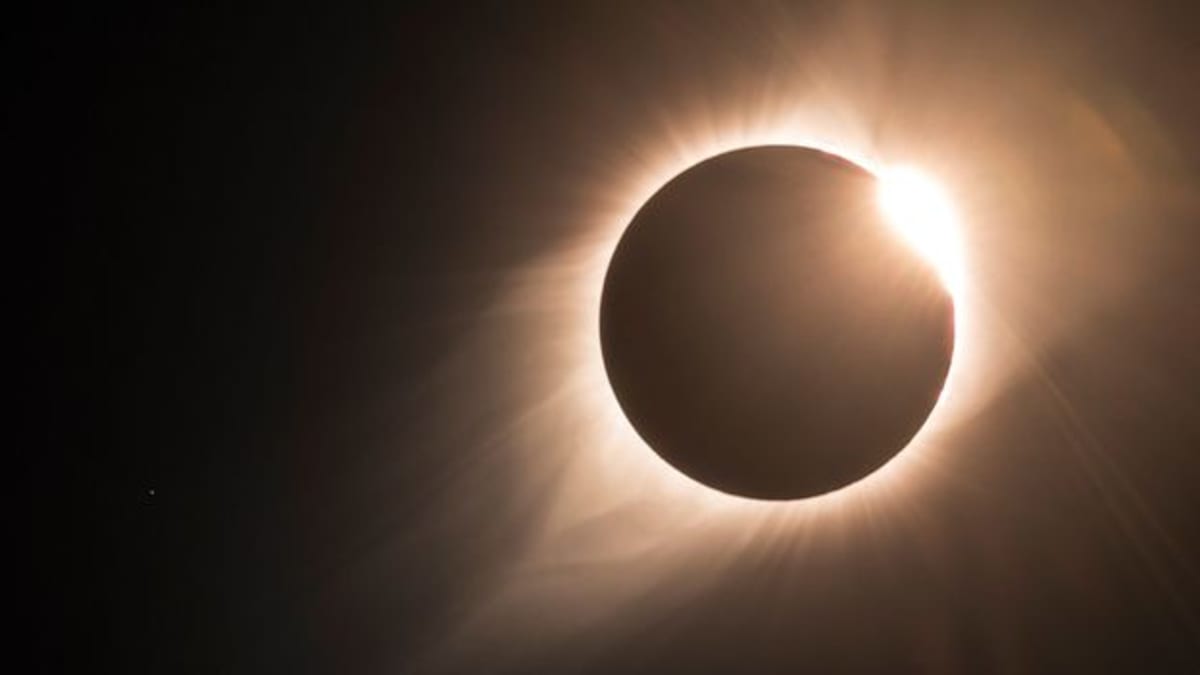
A total solar eclipse creates the perfect conditions for awe because it requires an almost impossible series of coincidences. The Moon must be exactly the right size and distance from Earth to completely block the Sun's light for those precious moments.
As psychologist Dacher Keltner writes, awe "quiets the nagging, self-critical, overbearing voice of our self" and "empowers us to collaborate, to open our minds to wonders, and to see the deep patterns of life."
Those ancient warriors who stopped fighting when day turned to night weren't being superstitious—they were experiencing a very real psychological shift that science can now measure and explain.
More Images



Based on reporting by BBC Future
This story was written by BrightWire based on verified news reports.
Spread the positivity!
Share this good news with someone who needs it