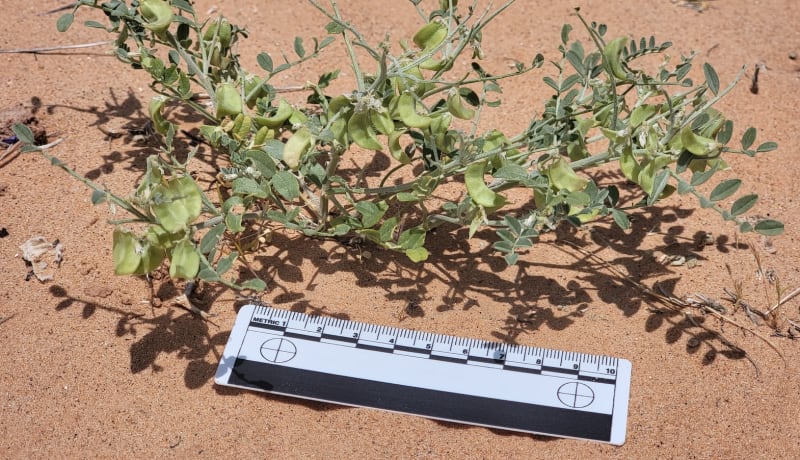
Solar Farm Boosts Rare Desert Plant by 675%
A rare desert plant thrived after solar panels were installed in Nevada, with populations jumping from 12 to 93 plants. It's proof that clean energy and nature can grow together.
A rare desert plant just got an unexpected ally: solar panels.
The threecorner milkvetch, a low-growing member of the pea family, is struggling to survive in Nevada's Mojave Desert. Scientists counted just 12 of these plants at the Gemini Solar Project site outside Las Vegas before construction began.
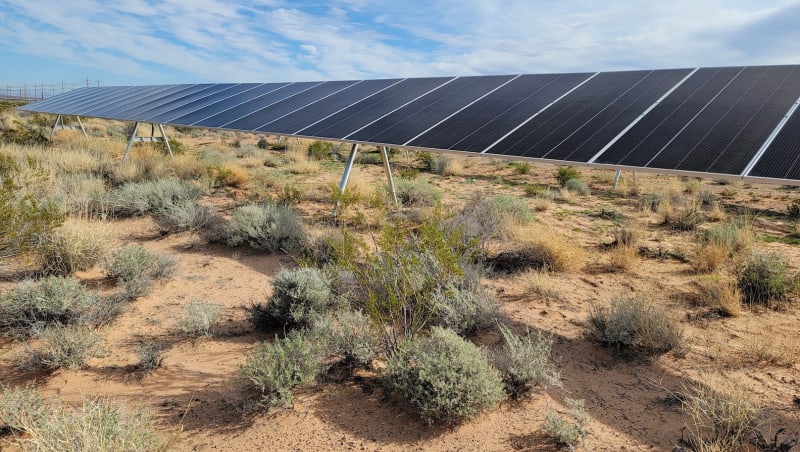
After the solar farm was built using gentler techniques, that number exploded to 93 plants in 2024. Even better, the plants grew larger, taller, and produced more flowers and fruits than those in nearby untouched desert.
The secret? The solar panels create shade that slows water evaporation, giving plants more moisture to thrive. "The fact that seed bank survived is phenomenal," said Tiffany Pereira, an ecologist at the Desert Research Institute who led the study.
Traditional solar projects "blade and grade" the land, scraping away plants and flattening soil. This destroys the seeds sleeping underground, waiting for rain to sprout.
The Gemini project took a different approach called ecovoltaics, building around native species instead of bulldozing them. The strategy preserved the desert's hidden seed bank, allowing new plants to flourish among the panels.
The Ripple Effect
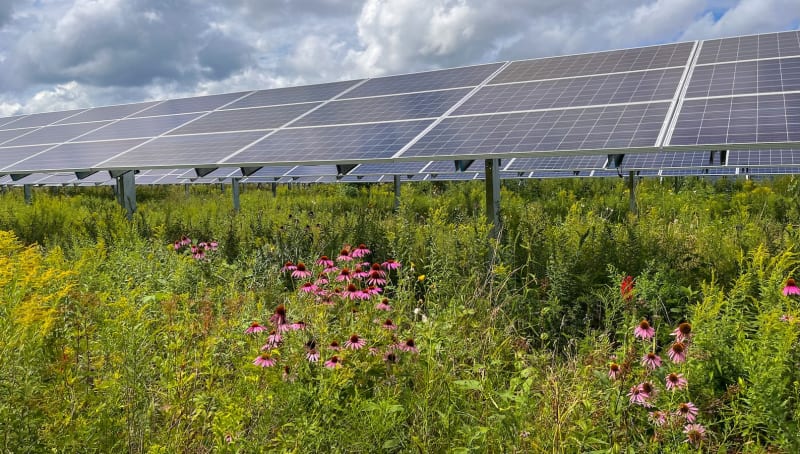
This Nevada success story isn't alone. In Minnesota, solar sites built on former farmland saw flowering plant species increase sevenfold over five years.
Native bee populations jumped by 2,000 percent, and other pollinators tripled. Birds and bats followed, attracted by the buffet of insects now thriving among the panels.
"Anytime you're seeing increases in insect prey, you've got at least a really strong potential for also seeing greater bird activity and bat activity," said Lee Walston, an ecologist at Argonne National Laboratory.
The technique works by letting native grasses and wildflowers grow beneath and between solar panels. Some facilities even use sheep and goats to manage vegetation, which mimics how buffalo and deer historically kept prairies healthy.
Height matters too. Taller panels cost more but let bigger plants reach their full size. Researchers are working with developers to find the sweet spot between habitat health and construction costs.
Former croplands get a second chance at biodiversity through solar farms. Prairie ecosystems especially benefit since they evolved to need periodic disturbance from grazing and fire.
Clean energy doesn't have to come at nature's expense anymore.
More Images

Based on reporting by Grist
This story was written by BrightWire based on verified news reports.
Spread the positivity!
Share this good news with someone who needs it