Solar Farm on Restored Peatland Boosts Bird Life 54%
A solar farm built on rewetted peatland in Germany is attracting more bird species than nearby farmland, proving clean energy sites can restore nature while fighting climate change. The discovery offers hope for healing damaged ecosystems while powering our future.
A solar farm in northern Germany is doing something remarkable: it's bringing wetlands back to life while generating clean electricity.
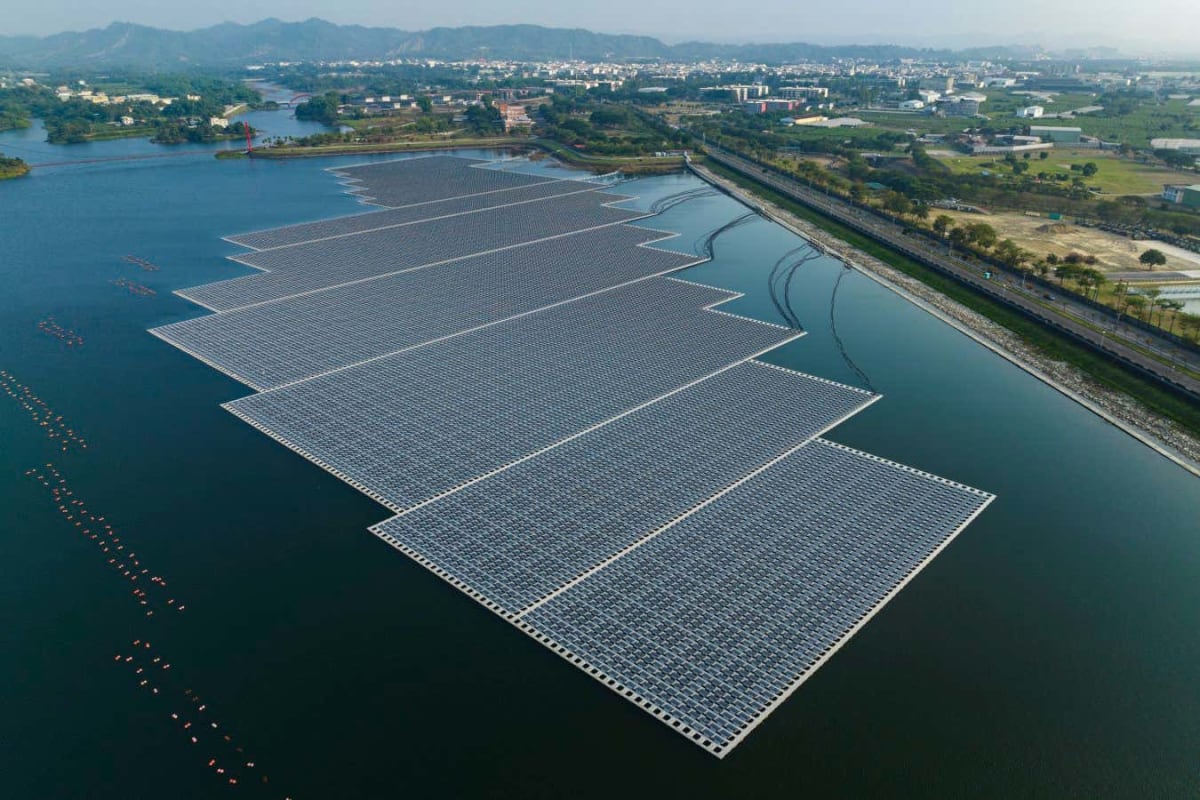
When Wattmanufactur built solar panels on 30 hectares of drained peatland in 2020, they did more than install renewable energy. They blocked old drainage ditches with sand and gravel roads, letting water return to land that had been farmed for decades. Within just a few years, the rewetted peatland started attracting bird species that had disappeared from the area.
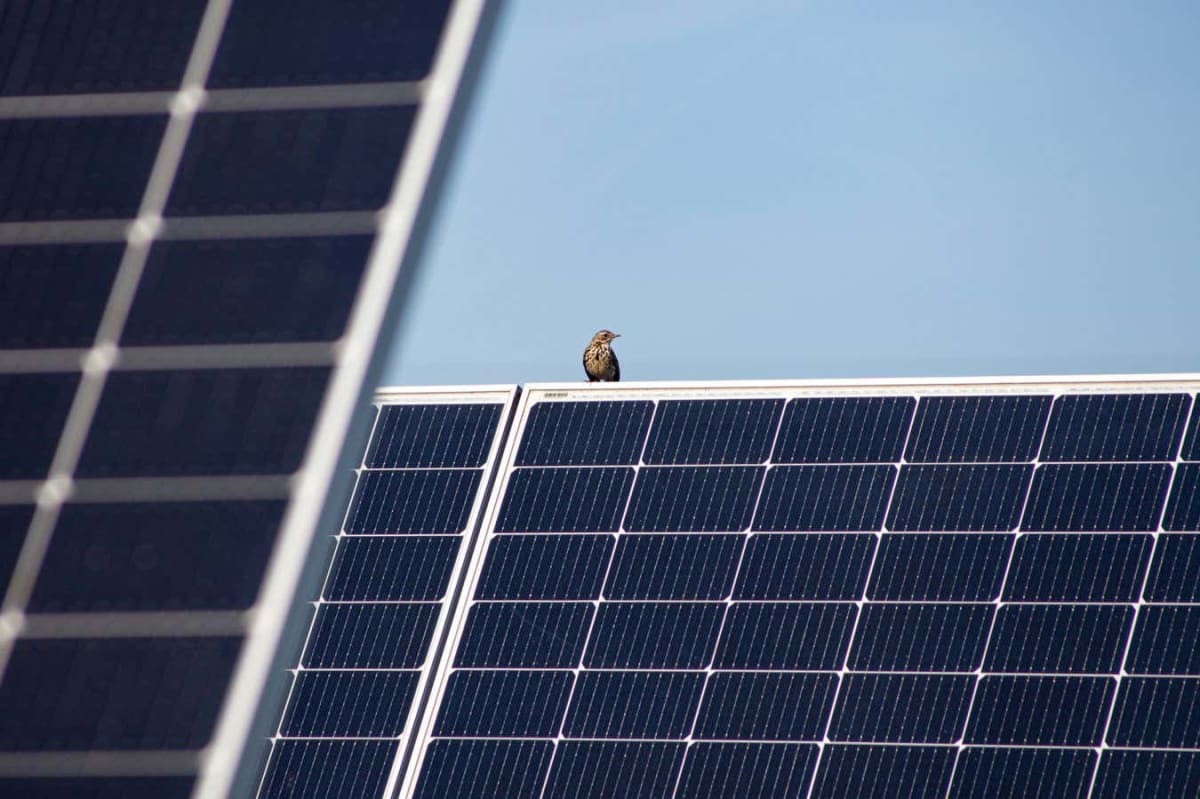
Audio recorders revealed the solar park now hosts both wetland birds like white wagtails and reed buntings, plus woodland species like tree pipits. Meanwhile, nearby hay fields only attracted grassland birds. Researchers even spotted the meadow pipit, a threatened species in Germany, perching on the solar panels.
The panels themselves became unexpected habitat features. Buzzards and kestrels use them like trees, perching on top to hunt mice in the grass below. The combination of returned wetland, reduced mowing, and new perching spots created a haven for biodiversity.
This matters because peatlands are Earth's largest land-based carbon storage system, holding twice as much carbon as all forests combined. But 95% of Germany's peatlands and 80% of the UK's have been drained or dug up. When peat dries out, microbes break down its ancient carbon, releasing greenhouse gases for centuries.
Hanna Rae Martens at the University of Griefswald led the research. She explains that restoration can't ignore the people who depend on this land for income. Solar farms on rewetted peatlands offer a solution that works for both nature and farmers.
The approach faces challenges. Installing solar panels on wet peatland requires deeper posts and summer construction timing, increasing costs. Germany stopped guaranteeing electricity prices for peatland solar in 2023, and developers aren't always required to report if they're building on drained peat. Only five of Germany's 165 peatland solar farms have actually rewetted the land beneath them.
The Ripple Effect
This discovery points toward a future where land serves multiple purposes at once. Catherine Waite at the University of Cambridge notes that while heavily degraded agricultural peatlands could benefit from solar restoration, healthy peatlands should remain untouched.
The research shows that fighting climate change and protecting wildlife don't have to compete. With the right approach, we can generate clean energy, lock away carbon, and create thriving ecosystems on the same piece of land.
Germany has restored only a fraction of its damaged peatlands so far, and the UK has restored just one-tenth of what's been lost. But this solar farm proves the concept works. More government incentives could help peatland solar spread, turning degraded farmland into wetland havens that power homes and shelter endangered species.
The birds returning to this German solar farm are messengers of hope, showing us that damaged landscapes can heal while serving modern needs.
More Images

Based on reporting by New Scientist
This story was written by BrightWire based on verified news reports.
Spread the positivity!
Share this good news with someone who needs it