Solar Farms and Potatoes Thrive Together in Italian Fields
A four-year study in Northern Italy proves farmers can grow healthy potato crops under solar panels without major yield losses. The breakthrough could help feed the world while generating clean energy on the same land.
Growing food and clean energy on the same field just got a major scientific thumbs-up.
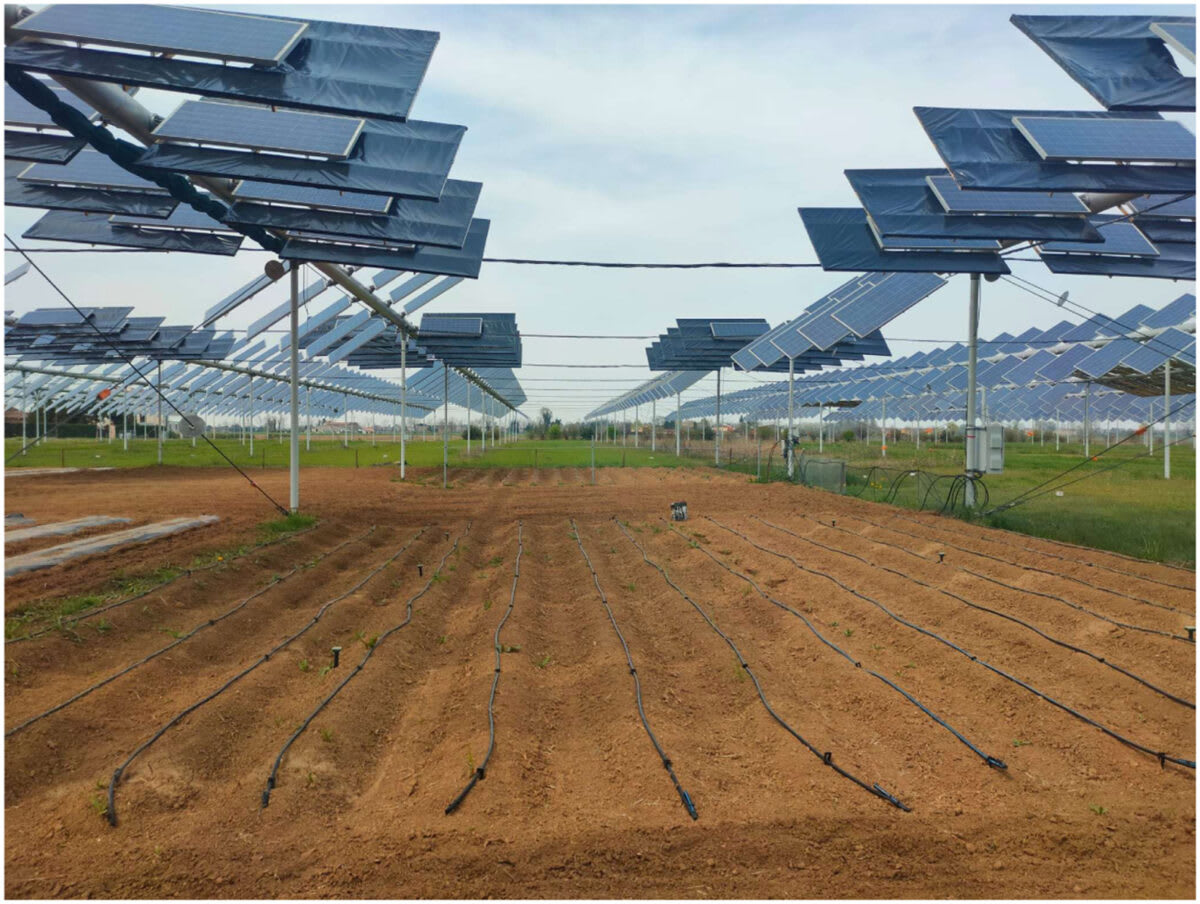
Researchers in Northern Italy spent four years testing potato crops growing beneath solar panels at a working solar farm. Their surprising discovery: with smart panel positioning, farmers lost only 12% of their potato harvest while generating thousands of megawatts of clean electricity from the same land.
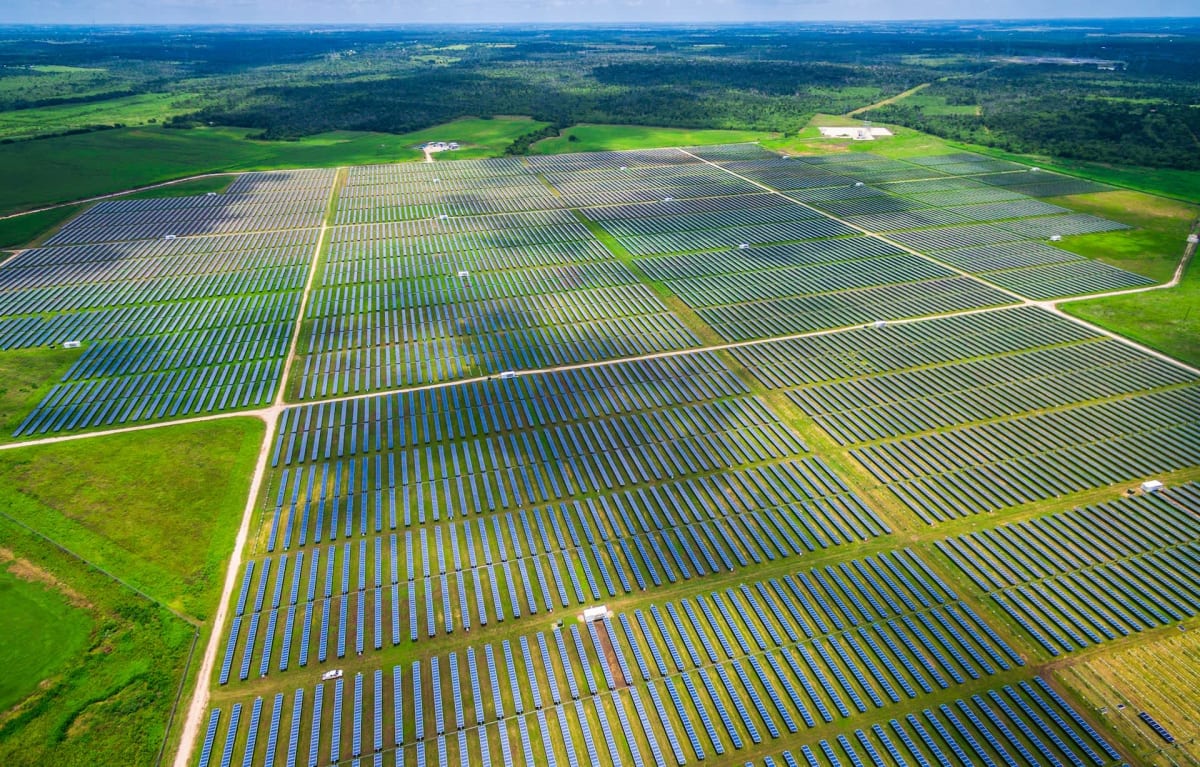
The study took place at a large commercial solar installation in Borgo Virgilio, where 2,147 megawatts of solar panels use dual-axis trackers that follow the sun. Between 2021 and 2024, scientists from Catholic University of the Sacred Heart tested five different shading patterns to see how potatoes would respond.
Lead researcher Michele Colauzzi found something nobody expected. Yield loss wasn't simply about how much shade the panels created. Instead, timing mattered most.
"Moderate shading had limited effects, while higher shading levels caused a sharp decline," Colauzzi explained. The key turned out to be protecting light availability during tuber initiation, the critical early stage when potatoes start forming underground.
When the team programmed panels to rotate away from crops during this crucial growth window, then resume normal tracking afterward, yields actually exceeded full-sun fields in 2024. That year, the anti-tracking approach produced 32.7 tons per hectare compared to 30.3 tons in fields without any panels.
Standard sun-tracking configurations with around 13% seasonal shading reduced yields by just 12% on average across all four years. Higher shade levels above 40% did cause steeper drops exceeding 30%, confirming there's a tolerance zone where crops and solar panels work in harmony.
Why This Inspires
This research addresses two of humanity's biggest challenges at once: feeding a growing population and transitioning to clean energy. Both need land, and land is finite.
Agrivoltaics, the practice of combining agriculture with solar power generation, transforms that competition into collaboration. Farmers gain additional income from energy production while maintaining crop yields. Solar developers gain access to agricultural land that might otherwise be off-limits.
The Italian team's focus on understanding plant physiology rather than just measuring losses points toward smarter system designs. By identifying when crops need full light most desperately, engineers can program panels to prioritize plant health during critical windows.
Even better, previous research found that early-season shading can actually help potatoes by delaying soil moisture loss and extending the growing period. The panels effectively improve water-use efficiency in an era of increasing droughts.
Potatoes feed more people globally than almost any crop, yet they've been largely ignored in agrivoltaics research until now. This four-year field study provides the robust data farmers and developers need to confidently adopt dual-use systems.
The research proves that with thoughtful design, we don't have to choose between solar panels and dinner plates.
More Images
Based on reporting by PV Magazine
This story was written by BrightWire based on verified news reports.
Spread the positivity!
Share this good news with someone who needs it