Solar Farms Can Graze Livestock, New Study Confirms
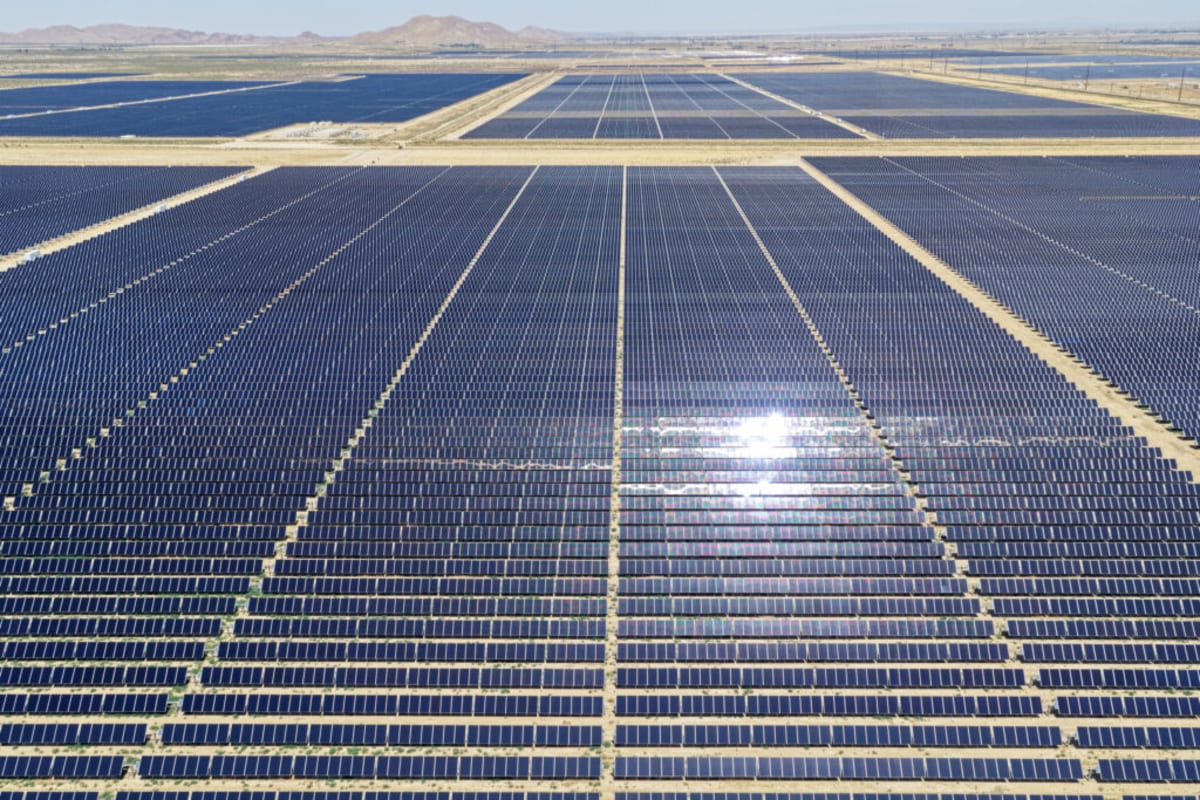
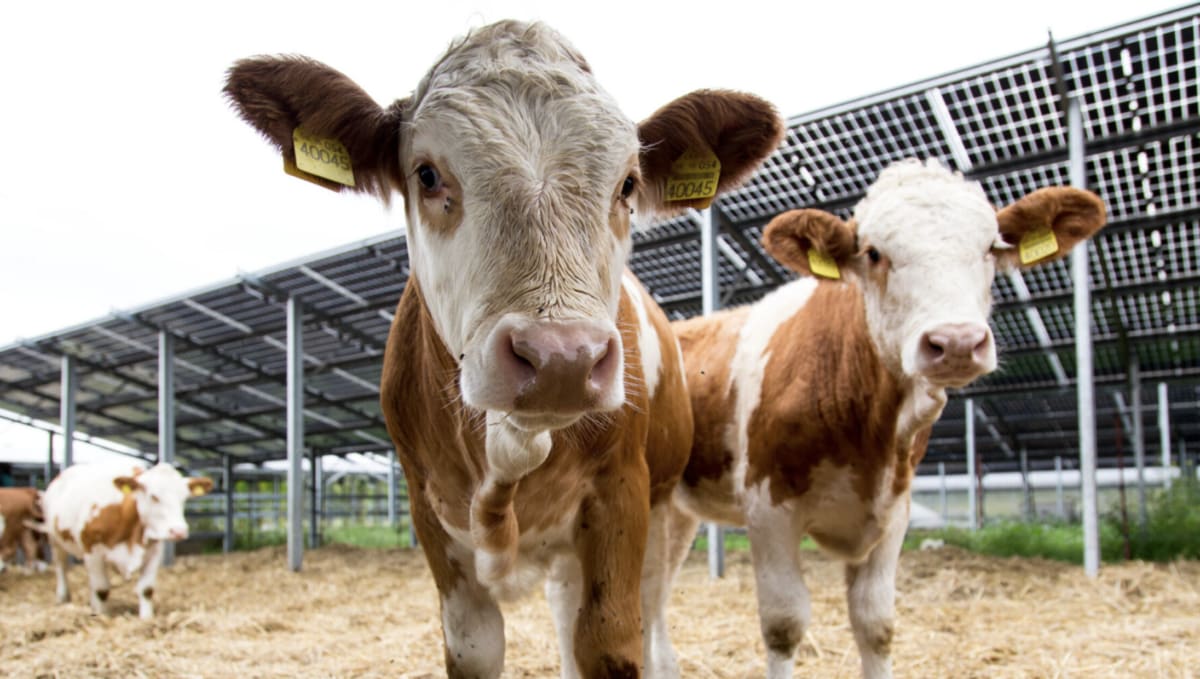
Regular solar panels provide quality grazing land for sheep and cattle without special modifications, German researchers discovered. This breakthrough means clean energy and farming can coexist on the same land more easily than expected.
Solar farms aren't just generating clean electricity anymore. They're becoming productive pastures for livestock at the same time.
Scientists from the University of Göttingen and University of Cologne spent 18 months studying five solar parks across Germany. They discovered that ordinary solar installations, without any special agricultural design, can support healthy grazing for sheep and cattle.
The research team used drones and lidar scanners to map vegetation in three dimensions, even measuring plants growing directly under solar panels. What they found challenges assumptions about solar farms being off-limits for agriculture.
Plants growing beneath the panels showed higher species diversity and more protein content than expected. Vegetation between the rows of panels produced the most biomass overall, providing plenty of feed for livestock.
The animal behavior observations revealed something particularly clever. Sheep naturally sought shade under the solar panels during hot weather, using the structures as protection from direct sunlight while grazing on nutritious plants below.
Soil conditions varied widely across the test sites, from carbon-rich soils to dry ground. The panels influenced microclimates by affecting soil moisture, temperature, and light levels, but these changes didn't prevent quality vegetation from thriving.
The Ripple Effect
This finding could transform how we think about land use in the renewable energy transition. Instead of choosing between solar power and agriculture, farmers and energy companies can pursue both on the same property.
The Federal Association for New Energy Industry now recommends that solar parks be officially recognized as agricultural land. This designation could unlock new possibilities for landowners who want to contribute to clean energy without abandoning farming.
For sheep and cattle ranchers, it means potential new grazing areas that come with built-in weather protection for their animals. For solar developers, it means better land management and potentially smoother community acceptance of new projects.
The implications extend beyond Germany too. Countries worldwide are racing to expand solar capacity while protecting farmland, and this research shows those goals aren't mutually exclusive.
Clean energy and sustainable agriculture just became better neighbors than anyone imagined.
More Images
Based on reporting by PV Magazine
This story was written by BrightWire based on verified news reports.
Spread the positivity!
Share this good news with someone who needs it