Solar Farms Cool Desert Temps by 3°C, Help Plants Grow
Scientists discovered that solar panels in China's arid regions create cooling zones up to 540 meters wide, dropping temperatures by over 3°C and boosting vegetation growth. This surprising side effect could help green the world's driest landscapes while generating clean energy.
Solar farms aren't just generating clean electricity. They're creating oases of cooler air in some of the planet's hottest, driest places.
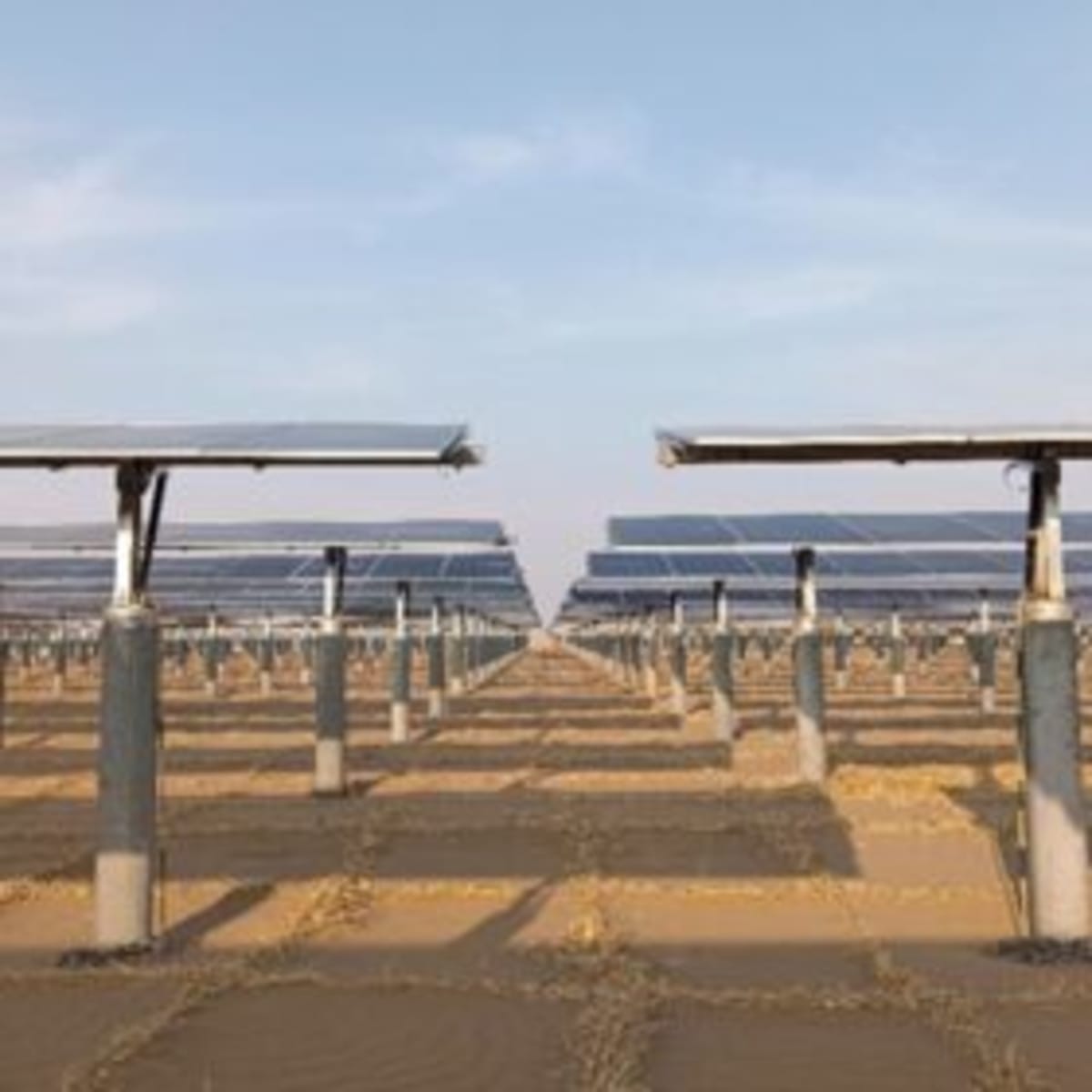
Scientists from the Chinese Academy of Sciences studied eight solar installations across China's arid regions and found something remarkable. The panels create "cool islands" that drop local temperatures by as much as 3.1°C and extend their cooling influence up to 540 meters beyond the installation itself.
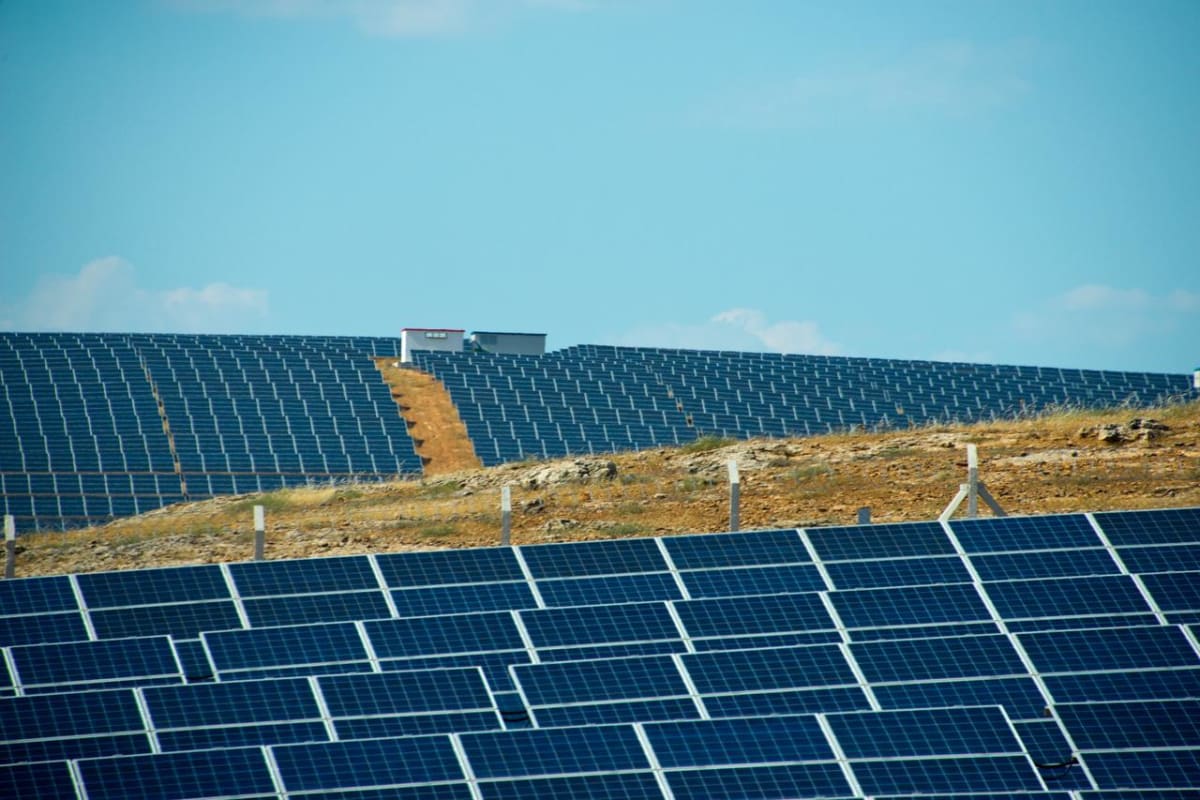
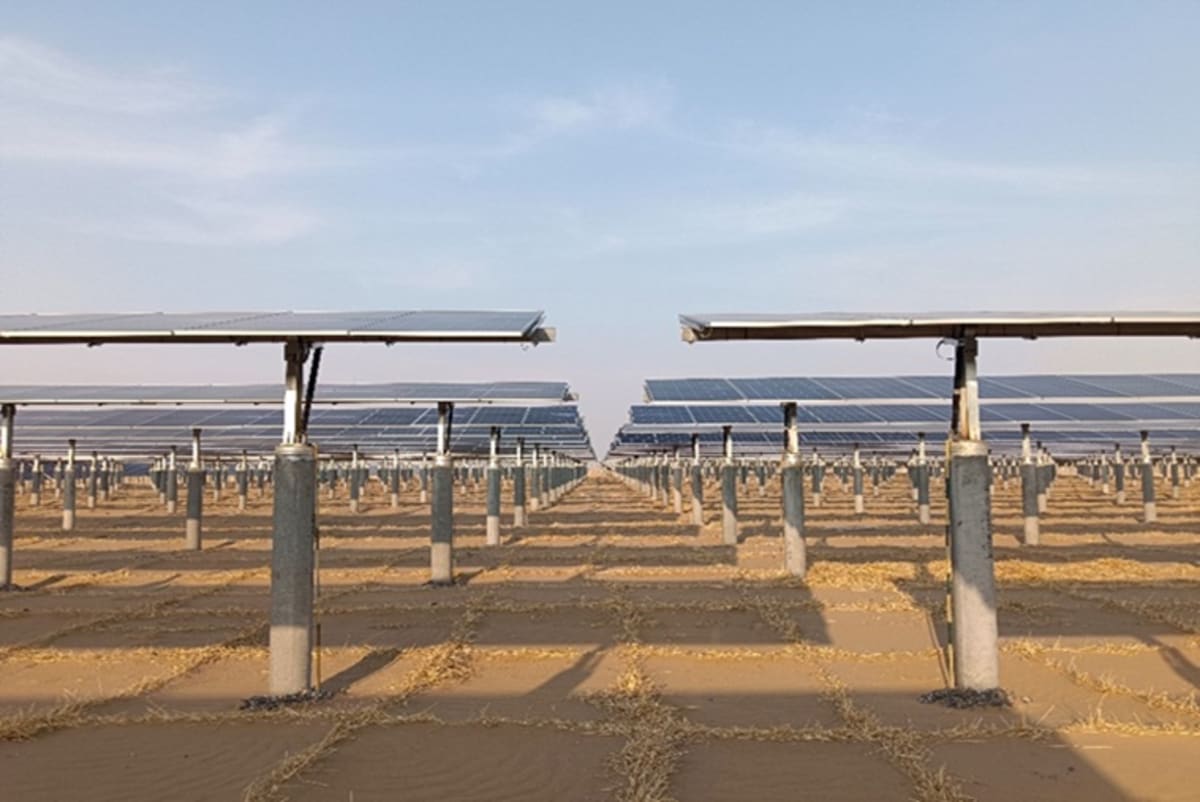
Here's how it works: solar panels shade the ground beneath them, blocking intense sunlight that would normally bake the desert floor. The panels also convert sunlight into electricity rather than heat, and they enhance air circulation patterns that whisk warmth away from the surface.
The research team analyzed data from Landsat-8 satellites throughout 2022, measuring land surface temperatures and vegetation health across installations in Xinjiang, Inner Mongolia, Gansu, and Qinghai provinces. They discovered the cooling effect wasn't just theoretical. It was strong enough to change the landscape.
The biggest temperature drops happened during summer, when desert heat peaks. Wuzhong City recorded the most dramatic cooling at 3.1°C, while Dalad Banner saw a 2.1°C reduction. Winter showed more variation, with some sites like Gonghe County still achieving 2.6°C of cooling.
But the real surprise came when researchers examined plant growth. Vegetation responded positively to these cooler microclimates, especially in regions that were moderately dry and warm to begin with.
The Bright Side
The findings point toward a win-win scenario for renewable energy development in harsh climates. Medium-sized solar farms with complex, irregular shapes performed best at creating these beneficial cooling zones.
The research suggests that thoughtful solar farm design could do double duty: generating carbon-free electricity while simultaneously making degraded desert lands more hospitable to plant life. In cold, high-altitude areas, adjusting panel angles and spacing could prevent unintended impacts on existing vegetation.
This matters because arid and semi-arid lands cover roughly 40% of Earth's surface, and many of these regions receive intense, reliable sunshine perfect for solar energy. If solar installations can cool these landscapes and support more plant growth, it could help combat desertification while accelerating the clean energy transition.
The study's structural equation modeling revealed that panel arrangement and climate conditions together explained 63% of the cooling effect's strength. That means engineers can deliberately design solar farms to maximize these ecological benefits.
As the world races to build renewable energy infrastructure, this research offers a blueprint for installations that give back to their local environments while powering our homes and cities.
More Images
Based on reporting by PV Magazine
This story was written by BrightWire based on verified news reports.
Spread the positivity!
Share this good news with someone who needs it