Solar Farms Could Make It Rain in Deserts, Study Finds
German scientists are testing whether massive solar panel installations in desert regions could actually trigger rainfall by changing local weather patterns. The groundbreaking three-year project could help tackle both energy and water shortages in dry climates.
What if the giant solar farms built to fight climate change could also help solve water scarcity in the world's driest places?
Scientists from the University of Hohenheim in Germany are heading to the Arabian Peninsula to find out. Their project, selected from 120 international proposals, won three years of funding from the UAE's research program for rain enhancement.
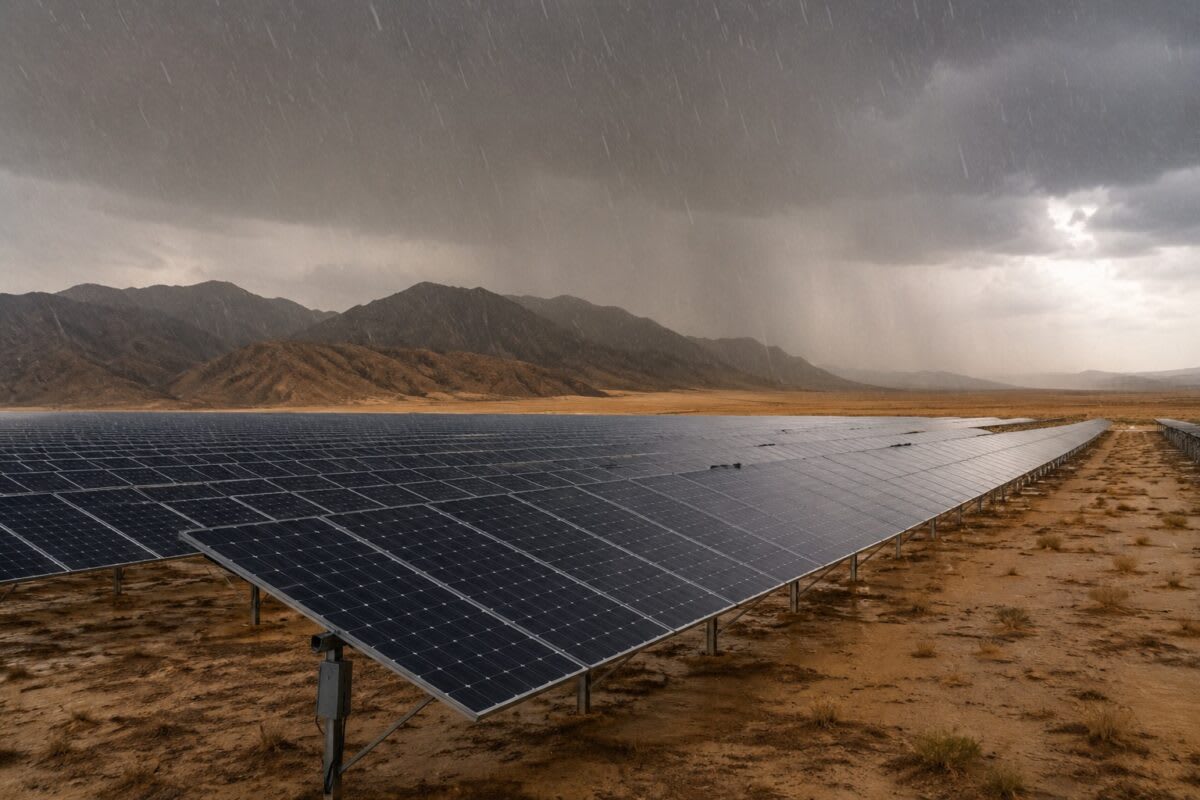
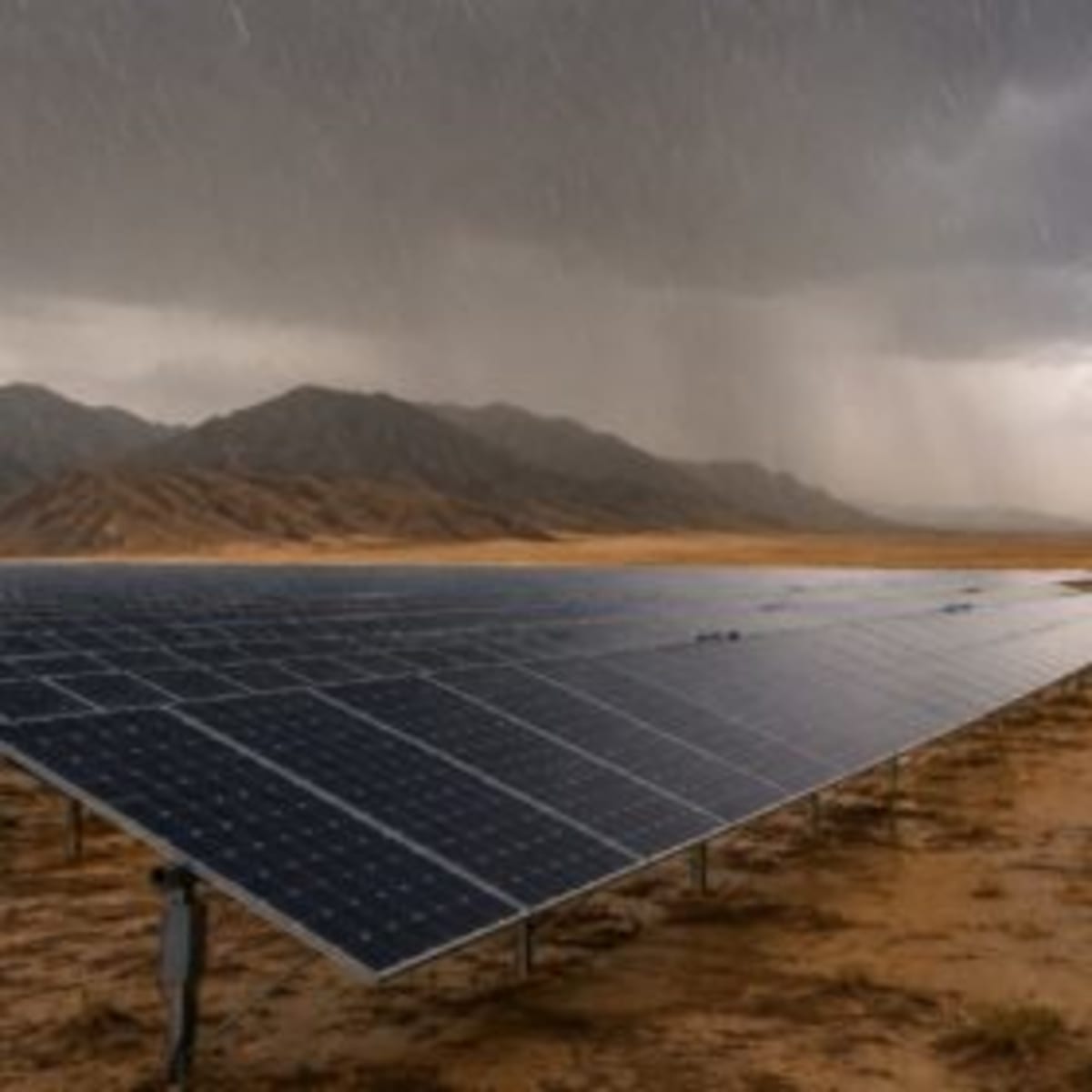
The idea sounds like science fiction, but it's rooted in real observations. Large solar panel arrays create unexpected weather effects because their dark surfaces absorb heat and warm the air above them.
In coastal desert regions, that rising warm air could mix with moisture blown in from the sea. When the two meet, they might create the perfect conditions for clouds to form and rain to fall.
Researchers Oliver Branch and Volker Wulfmeyer have studied desert climates for over a decade. They believe the effect gets stronger as solar farms grow bigger, especially when designed with weather patterns in mind.
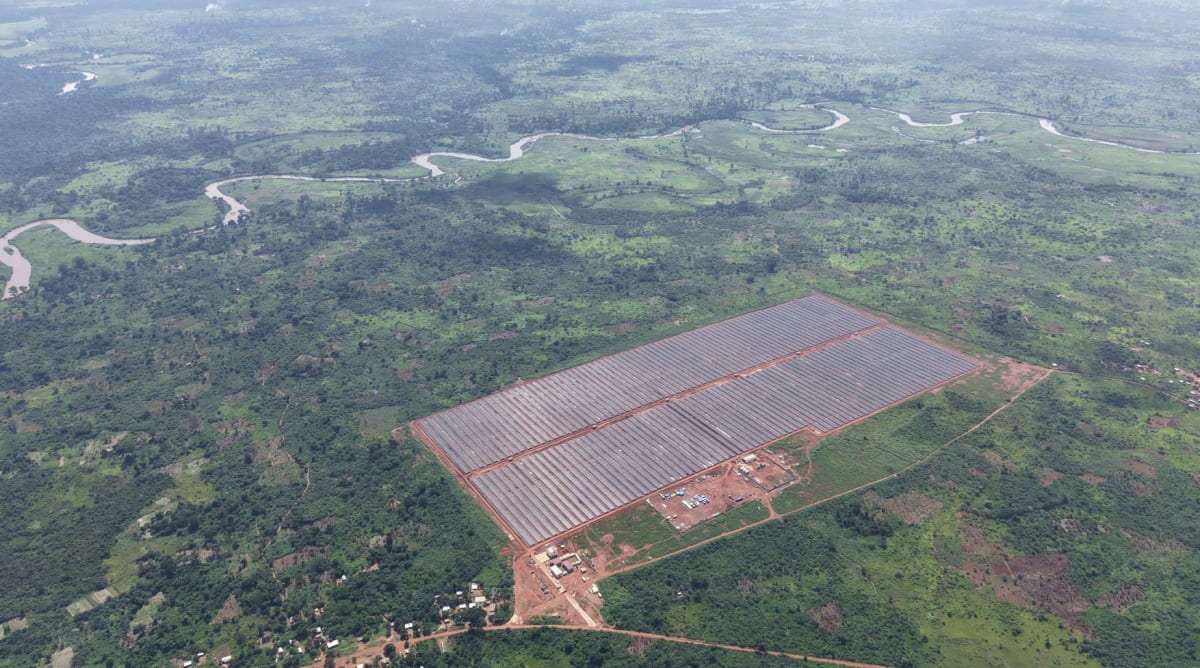
The team will use advanced laser systems to measure temperature, humidity, and wind patterns around the United Arab Emirates' massive solar installations. The Mohammed bin Rashid Al Maktoum Solar Park, with 3.8 gigawatts of capacity and growing, provides the perfect testing ground.
Those measurements will feed into powerful computer simulations running on supercomputers in Germany. The models will test different solar farm sizes, layouts, and placements to figure out which configurations work best for encouraging rain.
The project even explores building artificial sand dunes hundreds of meters high near solar farms. Like natural mountains, these dunes could force moist air upward, squeezing out even more precipitation.
Why This Inspires
This research shows how solutions to one problem can unexpectedly help solve another. Solar panels already give us clean energy, but they might also bring water to places that desperately need it.
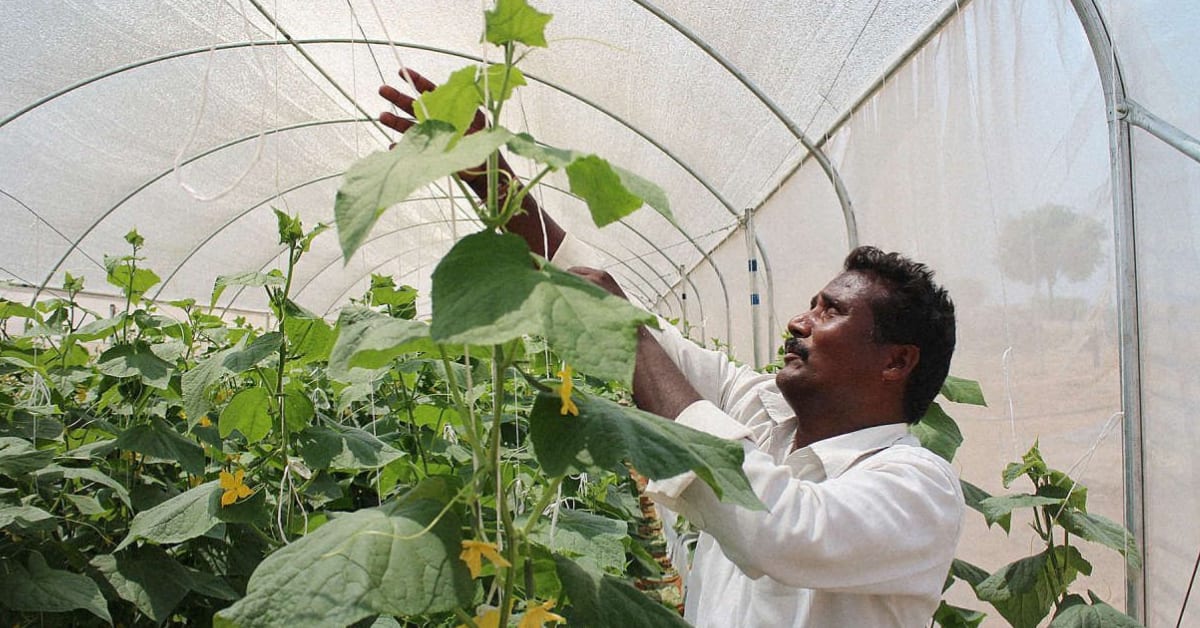
The scientists envision integrated systems where solar power runs irrigation for drought-resistant crops like jojoba. The plants would cool the area, which could actually make the solar panels work better in intense heat.
If the concept proves successful, desert regions could transform barren land into productive space that generates both electricity and food while creating its own water supply. Even better, recent studies show these climate effects aren't just local but could influence weather patterns across entire regions.
The project represents a shift in how we think about renewable energy infrastructure. Solar farms aren't just passive collectors of sunlight anymore. They're active participants in shaping the environment around them, potentially for the better.
More Images
Based on reporting by PV Magazine
This story was written by BrightWire based on verified news reports.
Spread the positivity!
Share this good news with someone who needs it