Solar Farms Now Growing Food and Saving Water Across U.S.
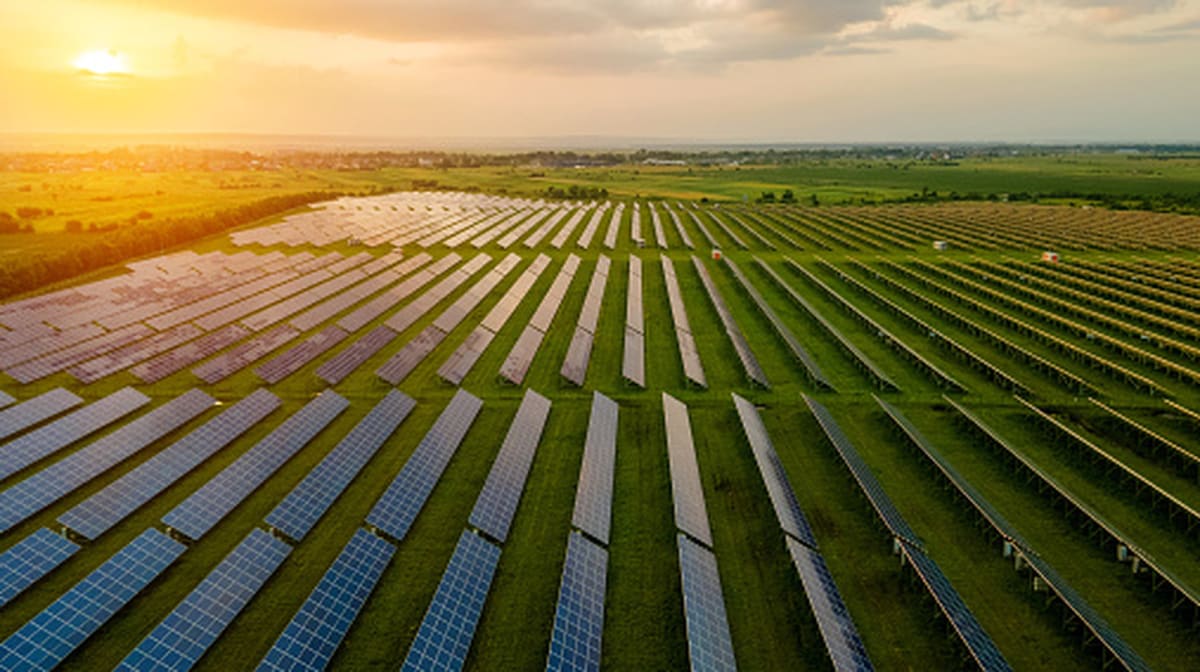
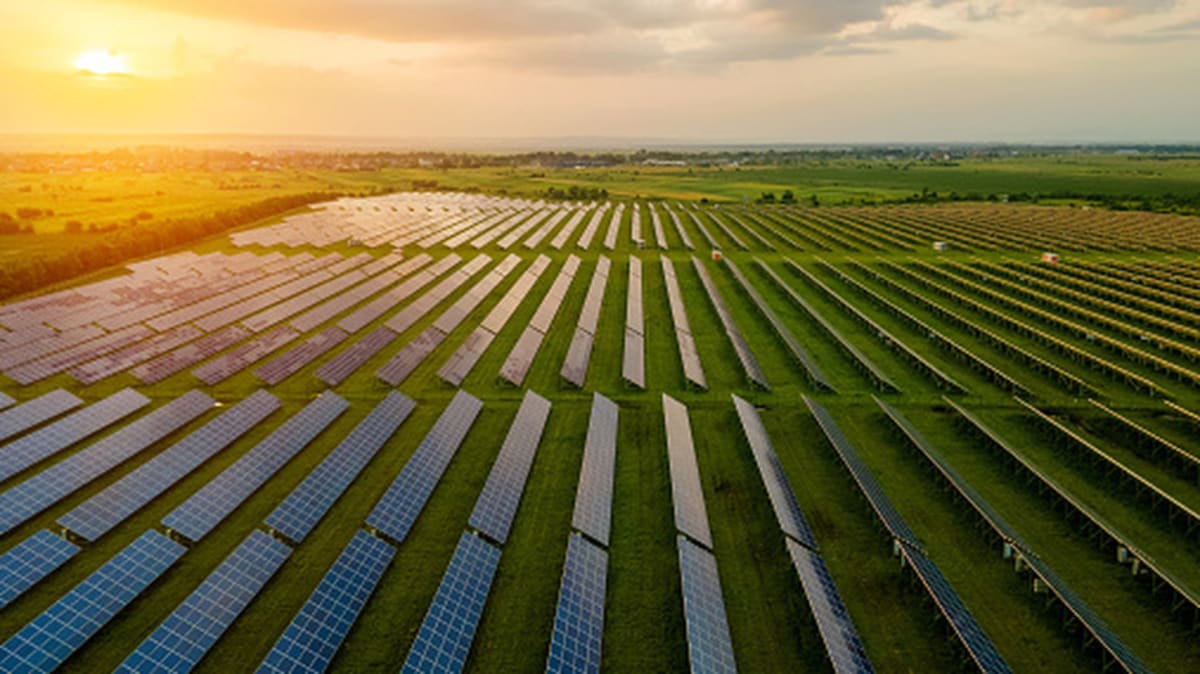
Solar farms across America are doing double duty by growing crops underneath panels and shading water systems, creating wins for farmers, ecosystems, and communities. These innovative projects are making farming more accessible while fighting climate change.
Solar panels aren't just powering homes anymore. They're helping farmers grow better crops, conserving precious water, and bringing new life to struggling ecosystems.
Across the United States, solar farms are getting a major upgrade. In California, massive solar panels now shade irrigation systems that carry mountain water to farms in the San Joaquin Valley through Project Nexus. Arizona has adopted similar strategies, preventing millions of gallons of water from evaporating under the scorching sun.
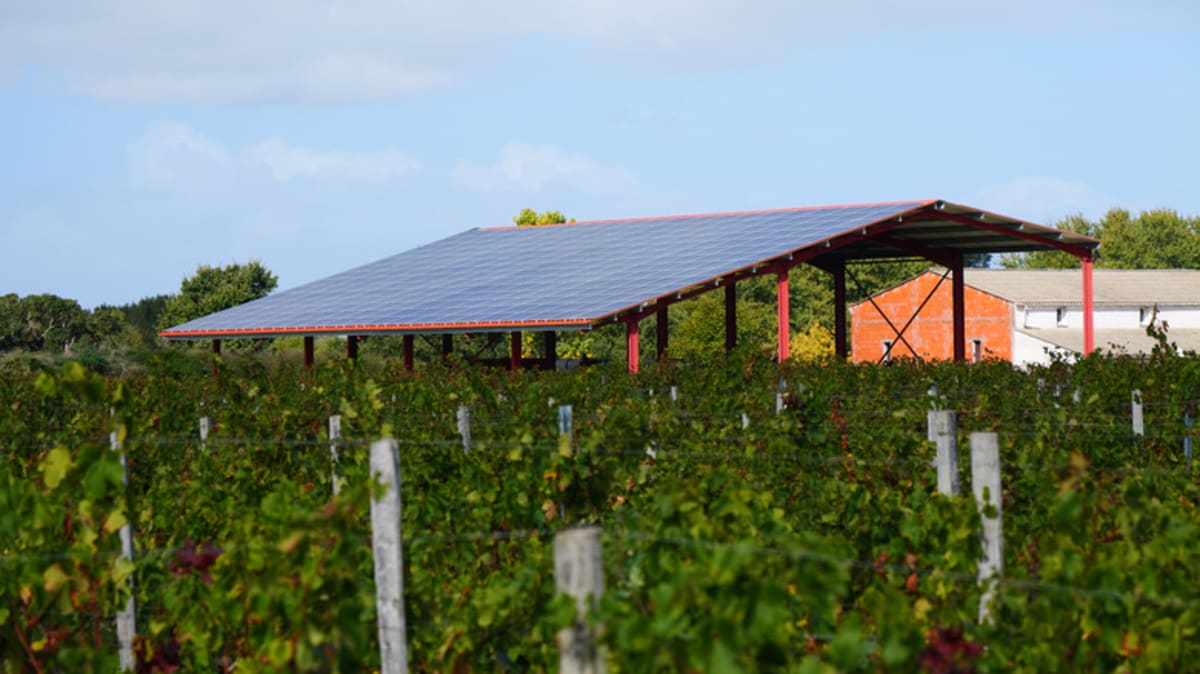
But the real game changer is happening at ground level. Farmers are now growing crops directly beneath raised solar panels in a practice called agrivoltaics. The panels provide shade that keeps plants cooler and more moist, even in blazing heat.
Jack's Solar Garden in Colorado became an early testing ground for this approach. Owner Byron Kominek worked with The Nature Conservancy to plant crops under his 3,276 solar panels. After just one year, 83 percent of the plants survived, and something unexpected happened: insect populations exploded in the best way possible. Pollinators and beneficial predator insects returned to the area in numbers researchers hadn't anticipated.
Minnesota's Big Lake project shows how this innovation ripples through entire communities. Local residents are getting involved in agriculture through electric co-ops while enjoying access to fresh, locally grown produce. The social impact goes even deeper than fresh vegetables at the farmer's market.
The Food Group, a Minnesota nonprofit, discovered that agrivoltaics is opening doors for aspiring farmers who couldn't afford land before. Solar companies own the property, but they're partnering with farmers who can use the space to grow crops. Both sides win: the solar company generates clean energy while the farmer gets affordable access to quality farmland.
The Ripple Effect
These dual-purpose solar farms are proving that fighting climate change doesn't mean choosing between energy and food. States are finding they don't need to sacrifice agricultural land to build solar infrastructure. Instead, the same acre can produce electricity and tomatoes, power and peppers.
The environmental benefits extend beyond the crops themselves. These farms are becoming biodiversity hotspots, giving struggling insect populations safe havens. That matters for entire ecosystems, since pollinators are essential for wild plants and food crops alike.
Looking ahead, a massive 2,000-acre solar farm scheduled to come online in Texas in 2028 plans to incorporate these practices from day one. It's a sign that what started as experimental projects are becoming the new standard.
Communities are also reaping economic rewards as solar farms create partnerships between tech companies and local farmers. These collaborations are preserving agricultural traditions while embracing clean energy, proving rural areas don't have to choose between their heritage and their future.
The lesson is simple: the best solutions often serve multiple purposes at once, and sometimes shade is just as valuable as sunshine.
More Images


Based on reporting by Google News - Clean Energy
This story was written by BrightWire based on verified news reports.
Spread the positivity!
Share this good news with someone who needs it