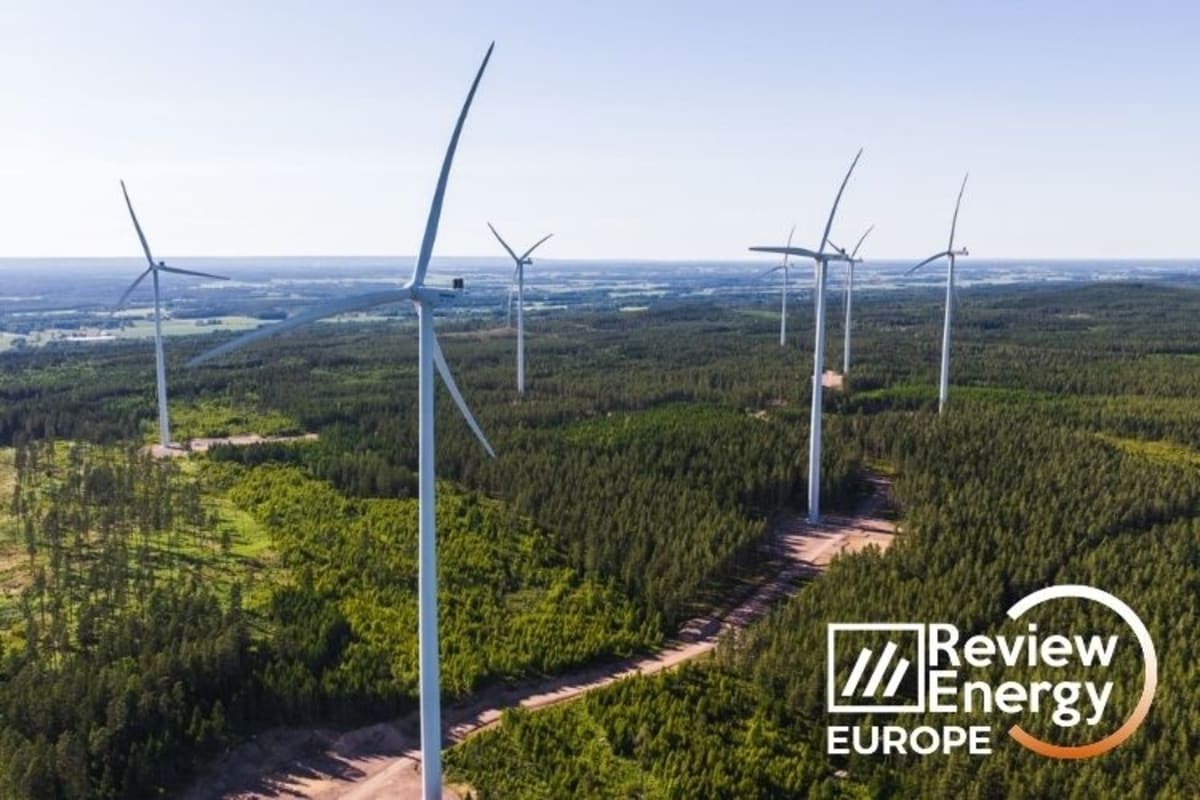
Solar Farms Triple Bird Populations in UK Farmlands
Solar farms managed with wildflowers and varied habitats are attracting nearly three times more birds than traditional crop fields. New research shows these clean energy sites can double as nature sanctuaries when designed thoughtfully.
Scientists just discovered that solar farms can create thriving bird sanctuaries while generating clean energy, proving that green power and wildlife protection don't have to compete.
A groundbreaking study by the RSPB and University of Cambridge examined solar installations across England's East Anglian Fens, a region dominated by intensive agriculture. Researchers found that solar farms with intentionally diverse habitats supported dramatically higher bird populations than surrounding farmland.
The secret lies in how these facilities are managed. Solar farms featuring wildflowers, varied grass heights, and hedgerows attracted nearly three times more birds than conventional crop fields in the same area.
Even more encouraging, these carefully designed sites became lifelines for struggling species. Red and Amber-listed birds like the Yellowhammer and Corn Bunting, which have declined sharply in agricultural landscapes, found new homes among the solar panels.
The transformation works because solar installations offer something increasingly rare in modern farmland: diverse, undisturbed habitat. The space between and around panels provides seeds, insects, and nesting areas that intensive farming no longer supports.
Solar capacity is doubling globally every three years, making this discovery perfectly timed. Nations like the UK and India are rapidly expanding renewable energy for climate goals and energy independence, but concerns about land use have created tension with conservation efforts.
The Bright Side
This research proves those goals don't conflict. Mixed-habitat solar farms demonstrate that the same land can generate clean electricity and restore biodiversity simultaneously.
The approach could work beyond birds too. Researchers suggest similar management strategies might help reverse desertification in arid regions where solar farms are expanding rapidly.
The findings do come with one important caveat. Solar farms also attract birds of prey, and smaller birds feeding on insects and seeds can become targets. Careful ecological management will be essential to maintain healthy balance in these new habitats.
But the core message remains hopeful. With thoughtful design, the infrastructure powering our clean energy future can also help repair ecosystems damaged by decades of intensive agriculture.
As solar farms spread across landscapes worldwide, each installation represents not just a step toward energy independence, but a potential sanctuary for wildlife that desperately needs new homes.
More Images


Based on reporting by Google News - Clean Energy
This story was written by BrightWire based on verified news reports.
Spread the positivity!
Share this good news with someone who needs it