Solar + Gravity Storage Hits Record Low $0.022/kWh in U.S.
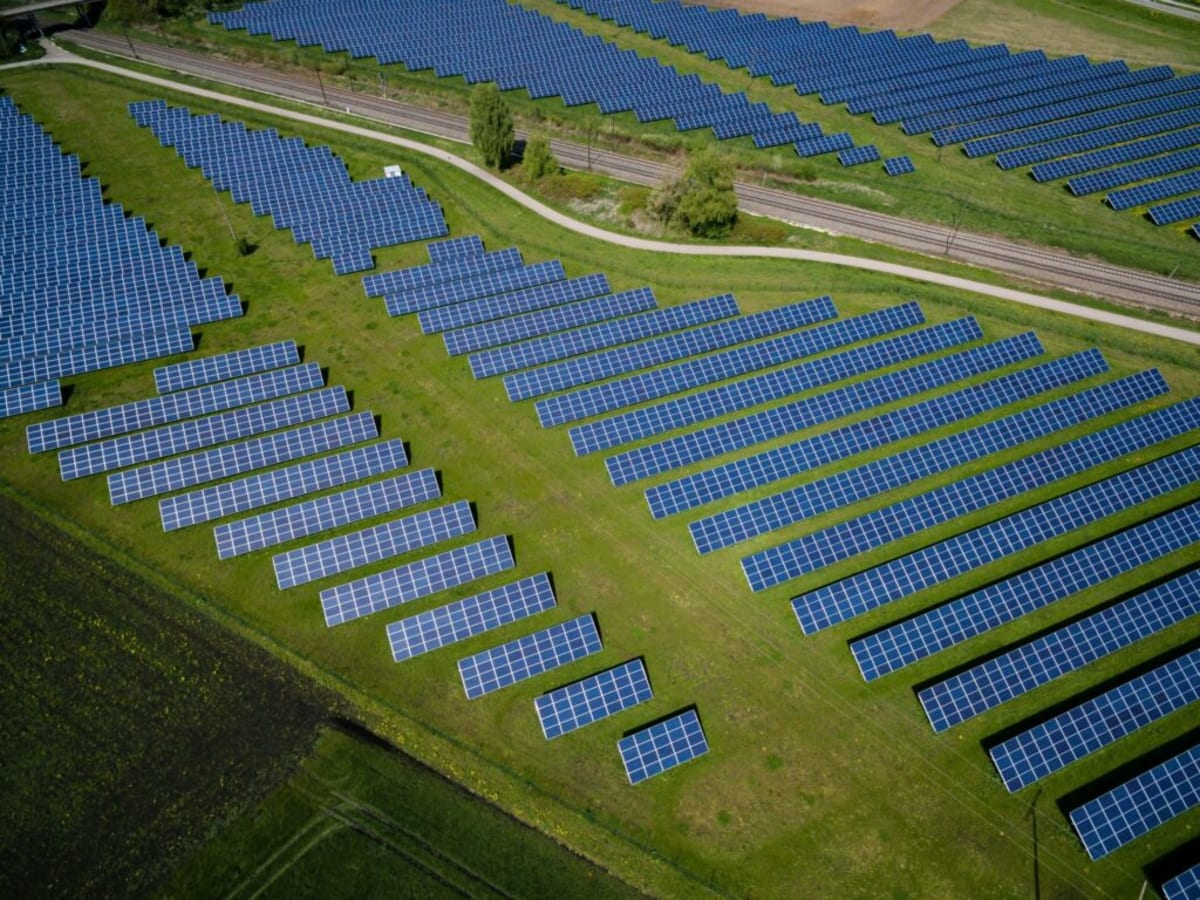
Scientists just cracked the code on combining solar panels with gravity-powered water storage, achieving electricity costs as low as 2.2 cents per kilowatt-hour in parts of America. This breakthrough could power entire cities with clean energy around the clock.
Imagine storing sunshine underground and releasing it whenever your city needs power, all at a price cheaper than nearly any energy source on Earth.
Researchers from the University of Waterloo and Cairo University just mapped 936 locations across the United States where solar panels paired with hydraulic hydro storage could deliver electricity for as little as $0.022 per kilowatt-hour. That's competitive with the cheapest fossil fuels, but completely clean.
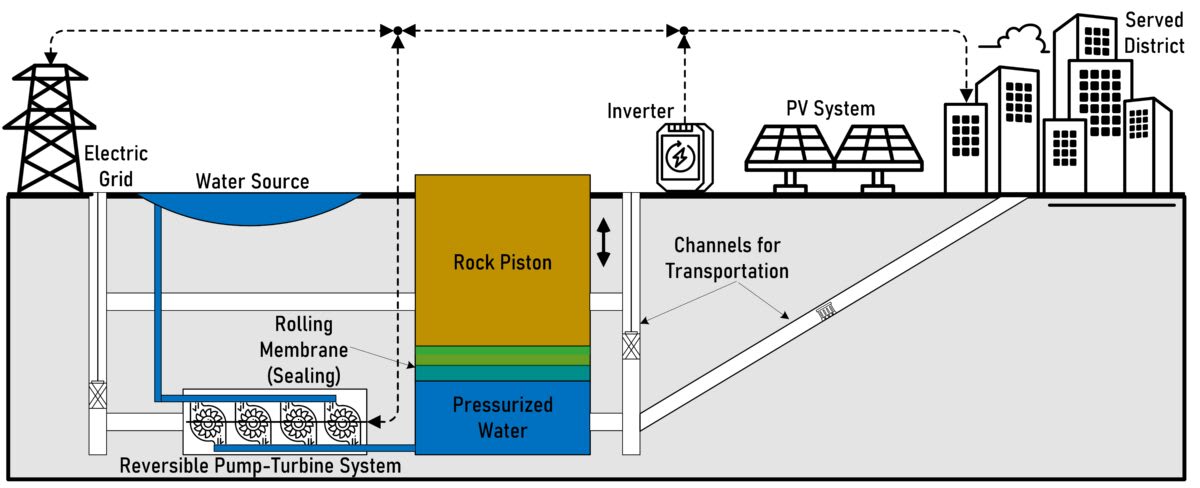
Here's how it works: when solar panels generate more electricity than people need during the day, the surplus power pumps water to push a massive rock piston upward inside a specially carved underground chamber. When the sun goes down and demand rises, gravity pulls the piston back down, forcing pressurized water through turbines to generate electricity.
"This represents the first comprehensive geospatial benchmark for giga-scale hydraulic storage paired with utility-scale solar," said co-author Mohamad T. Araji. Previous studies only looked at smaller systems or theoretical models, not real-world deployment at city scale.
The system stores enough energy to power 2,000 commercial buildings through the night. Unlike traditional pumped hydro that requires mountains or massive elevation changes, this technology can work almost anywhere with suitable geology.
The research team found that about 75% of analyzed locations could achieve electricity costs below $0.093 per kilowatt-hour. States like New Mexico, Nebraska, and Maine showed the most promise because surplus solar can be sold back to the grid, offsetting installation costs.
Storage capacity ranged from 1 to 4.2 gigawatt-hours depending on location and climate, with the system maintaining 80% round-trip efficiency. The technology uses standard mining techniques to carve the rock piston from bedrock and install waterproof seals.
The Ripple Effect
This isn't just about cheaper electricity. Cities could become energy self-sufficient, reducing dependence on distant power plants and vulnerable transmission lines. Rural communities with good solar resources could become energy exporters instead of importers.
The storage lasts decades longer than batteries, uses no rare minerals, and creates no toxic waste. Construction leverages existing mining expertise, potentially creating jobs in regions transitioning away from fossil fuel extraction.
The catch? Success depends heavily on local policies and geology. States with favorable power purchase agreements and supportive electricity markets will see the technology flourish first, the researchers emphasized.
Clean energy that costs less than fossil fuels and works after dark—that's not a future dream anymore, it's a mapped reality waiting to be built.
More Images

Based on reporting by PV Magazine
This story was written by BrightWire based on verified news reports.
Spread the positivity!
Share this good news with someone who needs it