Solar Heat Pump Cuts Hotel Heating Costs by $27K Yearly
A Chinese hotel slashed its winter heating bill by $27,000 using a new solar-powered heat pump system that dramatically reduces fossil fuel use. The breakthrough could help thousands of older buildings go green without major renovations.
Heating old buildings without burning through fossil fuels just got a whole lot easier.
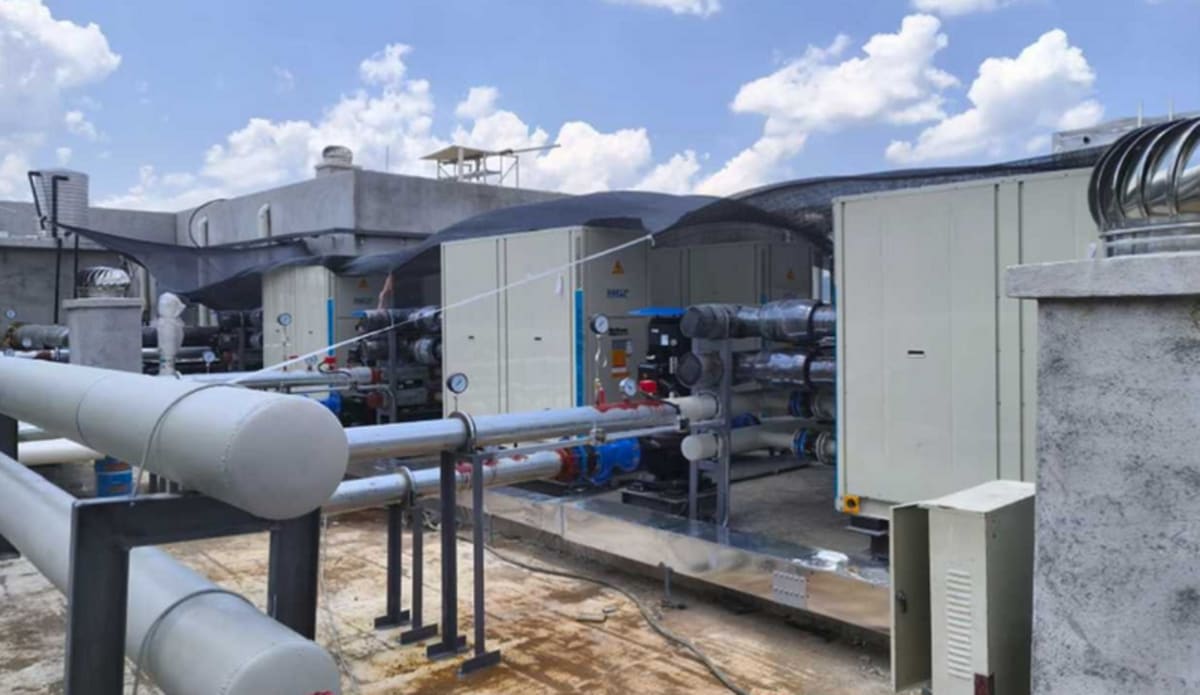
Researchers in China's Hunan Province have cracked a stubborn problem: how to retrofit existing hotels and commercial buildings with clean heating that actually saves money. Their solution combines solar power with advanced heat pump technology, and it's already working at a hotel in Huaihua City.
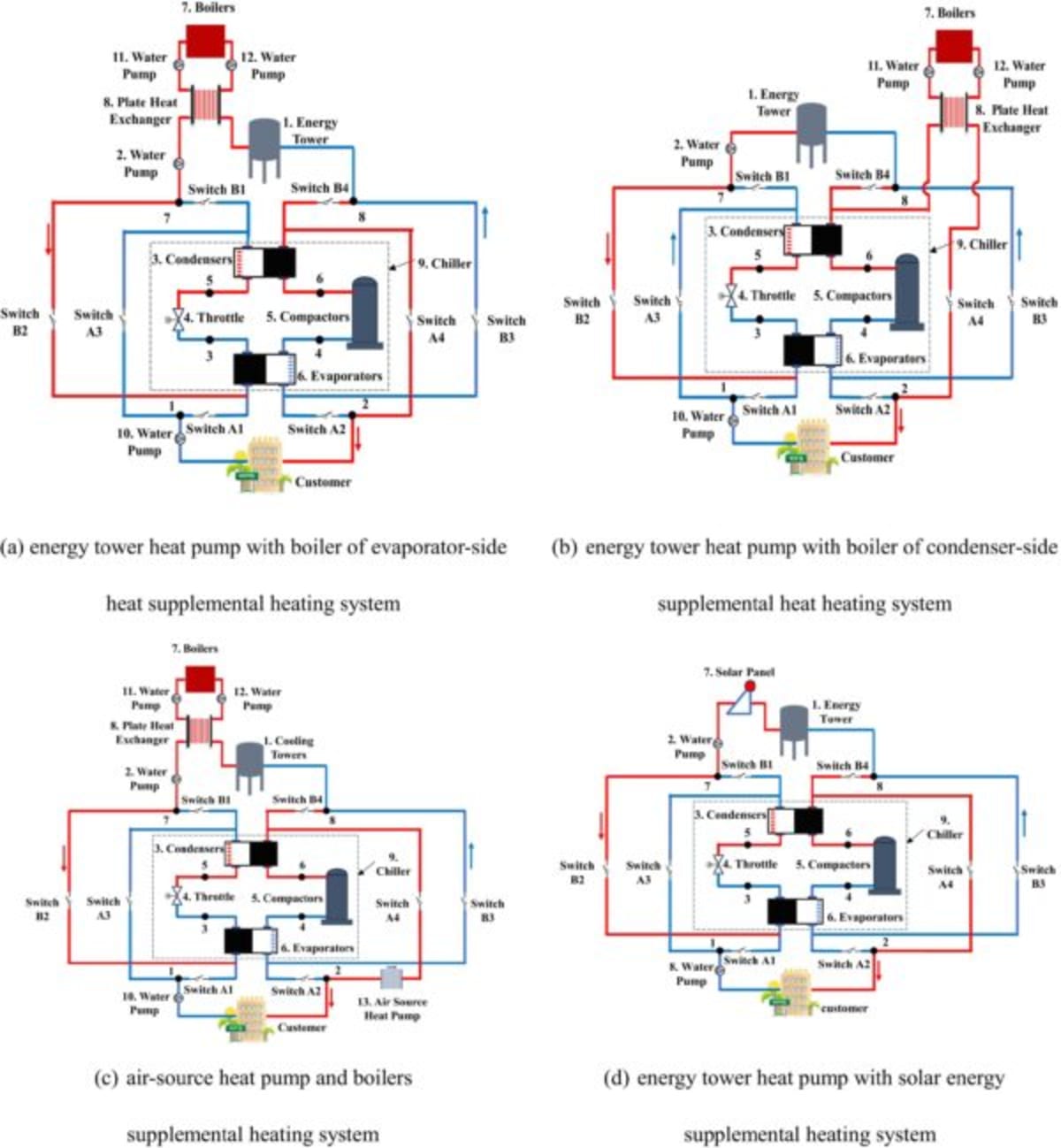
The team from Hunan Institute of Engineering tested four different heating setups during real winter conditions. They wanted to find the smartest way to keep buildings warm without relying on traditional boilers that guzzle natural gas.
Their winning design pairs an energy tower heat pump with solar water heating panels. Think of it as teamwork: the heat pump does the heavy lifting while solar panels provide an extra boost on sunny days. When winter clouds roll in, a small backup boiler fills the gap.
The results surprised even the researchers. Lead scientist Xianglong Liu watched the system achieve an efficiency rating of 1.891, which means it produces nearly twice as much heat energy as the electricity it consumes. Traditional heating systems can't touch those numbers.
The hotel saved 187,300 yuan (about $27,000) on natural gas in just one heating season. That's money that used to literally go up in smoke, now staying in the business budget. A close competitor setup saved $26,900, proving multiple configurations can work depending on a building's needs.
Why This Inspires
This matters because most buildings standing today weren't built for our climate goals. Tearing them down and starting over creates massive waste and carbon emissions. Smart retrofits like this one offer a real path forward for the millions of hotels, offices, and apartment buildings that need updating.
The system works by maintaining precise temperatures: keeping the evaporator between 1-6°C and the condenser at 35-45°C. Those technical details translate to consistent warmth for guests without the environmental guilt.
Solar integration does require upfront investment and roof space, Liu acknowledges. But the long-term savings make the math work for many building owners ready to break free from volatile fossil fuel prices.
The breakthrough shows we don't need to choose between comfort and sustainability. "Energy managers can significantly reduce fossil fuel use while maintaining indoor comfort," Liu explains. "It's an important step toward net-zero building operations."
Thousands of aging buildings across China and beyond could adopt similar systems, turning yesterday's energy hogs into tomorrow's climate solutions.
More Images
Based on reporting by PV Magazine
This story was written by BrightWire based on verified news reports.
Spread the positivity!
Share this good news with someone who needs it