Solar Installs Surge 205% Before Tax Credit Deadline
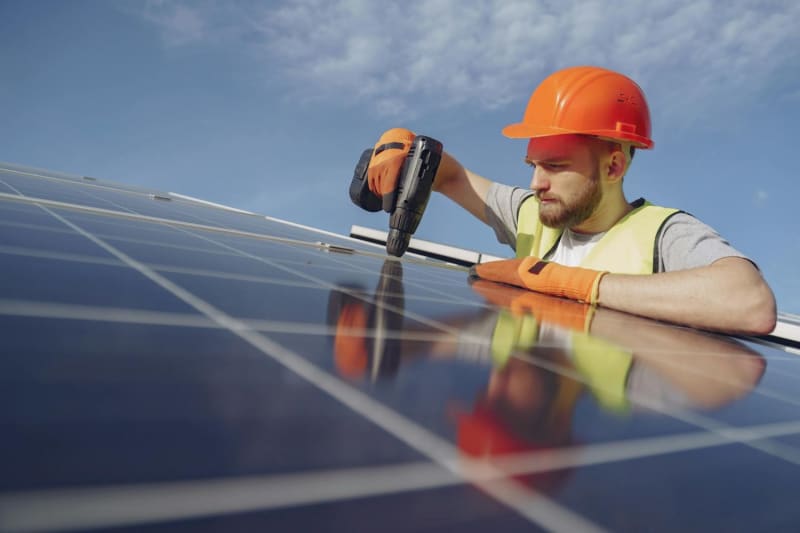
American homeowners rushed to install solar panels in record numbers during late 2025, driving a 205% surge as they raced to claim federal tax credits before the deadline. The six-month boom reshaped how families think about powering their homes.
Between July and December 2025, the residential solar market experienced one of the wildest runs in its history, and it happened because homeowners had a deadline looming over their heads.
After Congress eliminated the 30% federal tax credit for purchased residential solar systems in July 2025, families across America scrambled to get installations completed before December 31. EnergySage's latest report shows a 205% year-over-year jump in homeowners actively working with installers.
The rush was so intense that many solar companies hit their annual capacity by October. Contractors and customers alike made unusual compromises just to finish projects on time, often choosing whatever equipment was available rather than waiting for preferred brands.
What's remarkable is that prices barely budged despite the frenzy. Solar costs rose just 0.4% to $2.49 per watt, and battery storage increased only 3.6% to $1,074 per kilowatt-hour. EnergySage credits transparent marketplace pricing for preventing the price gouging that typically happens when demand explodes.
Supply shortages changed buying patterns in real time. Popular 450-460 watt solar panels became scarce, so quotes featuring them dropped from 33% to 26% of installations. Meanwhile, slightly smaller 430-440 watt panels jumped from 8% to 30% of quotes as installers worked with available inventory.
Battery add-ons tell an interesting story too. Attachment rates dropped from 41% to 38% nationwide, but not because people lost interest. In California, Texas, and Hawaii, homeowners deliberately chose to install solar first and add batteries later rather than risk missing the tax credit entirely.
The Ripple Effect
The bigger transformation is happening in how Americans think about home energy. Families aren't just buying solar panels anymore. They're planning whole-home energy systems that combine solar, battery storage, EV charging, and efficient heat pumps into coordinated setups designed to slash electricity bills and weather grid outages.
Solar installers are evolving alongside their customers. Among EV charger installers surveyed, 55% said chargers represent less than a quarter of their revenue, showing how companies are expanding into comprehensive electrification services rather than selling single products.
Now that purchased systems no longer qualify for tax credits, the market is shifting toward leases and power purchase agreements, which remain eligible through 2028. But the fundamental drivers haven't changed: rising electricity costs, extreme weather, and unreliable grids are pushing more families toward energy independence.
The companies that thrive in this new landscape won't be the ones selling individual products but those offering complete home energy ecosystems that give families control, savings, and peace of mind all at once.
More Images



Based on reporting by Electrek
This story was written by BrightWire based on verified news reports.
Spread the positivity!
Share this good news with someone who needs it