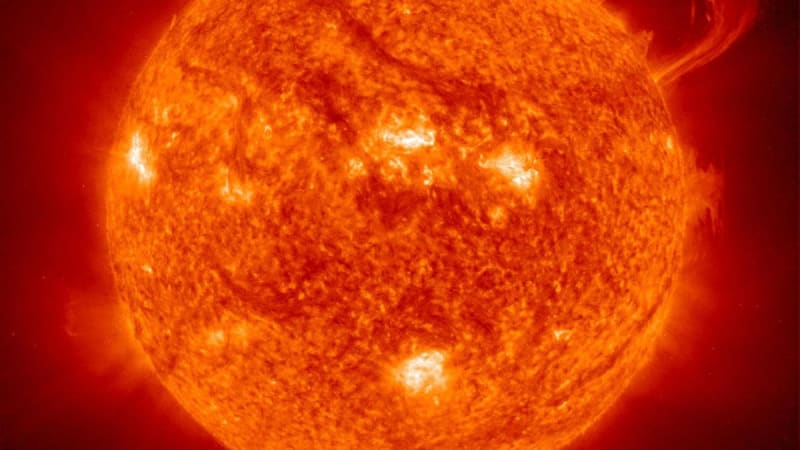
Solar Orbiter Solves Mystery of Sun's Powerful Flares
Scientists just witnessed how solar flares really work, and it's changing our ability to predict dangerous space weather. The discovery could help protect our satellites, power grids, and communication systems from future solar storms.
Scientists have cracked one of the sun's biggest mysteries, and the discovery could help protect Earth from dangerous space weather.
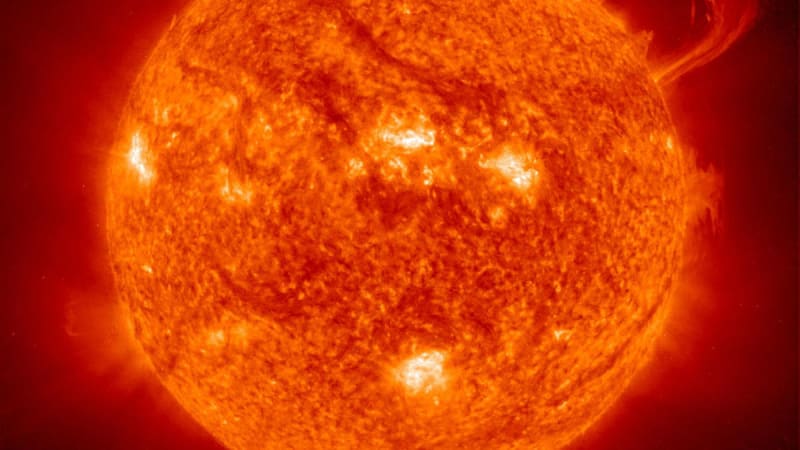
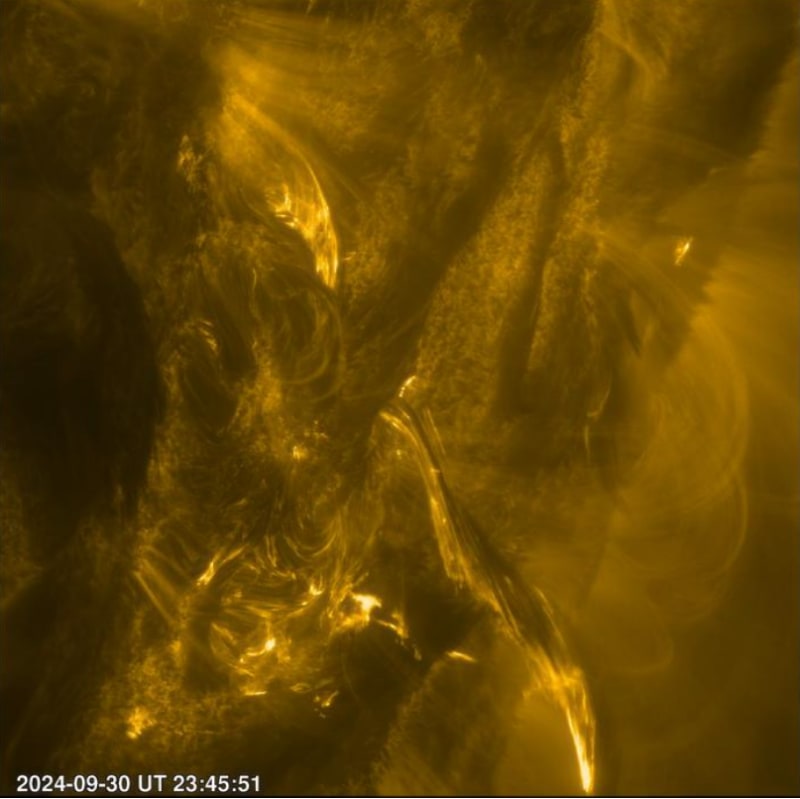
The European Space Agency's Solar Orbiter spacecraft captured something no one had seen before. On September 30, 2024, from just 27 million miles away, it watched a solar flare build from the ground up, revealing that these massive explosions start like avalanches on a mountainside.
"This is one of the most exciting results from Solar Orbiter so far," said Miho Janvier, ESA co-Project Scientist on the mission. The spacecraft caught the entire buildup over 40 minutes, watching tiny magnetic disturbances trigger bigger ones in a chain reaction that ended in a medium-class solar flare.
The timing couldn't have been better. Four of Solar Orbiter's instruments worked together to capture details as small as a few hundred kilometers, with images updating every two seconds.
Here's what they saw: magnetic field lines on the sun started snapping and reconnecting in small bursts of energy that looked like bright points of light. Each burst triggered more reconnections, building momentum like a snowball rolling downhill. An arching filament of plasma eventually broke free and launched into space, powered by the growing cascade of energy releases.
The discovery answers a question scientists have debated for years. Are solar flares one big explosion or many small events building up? For this flare at least, the answer is clear: it's an avalanche process.
Why This Inspires
Understanding how solar flares start means we can better predict when dangerous ones are coming. Some flares launch coronal mass ejections, huge clouds of plasma that can slam into Earth and damage satellites, knock out power grids, and disrupt communications. The more warning time we have, the better we can protect our technology and infrastructure.
The spacecraft also captured something unexpected: streams of plasma "raining" down onto the sun's surface before and after the main flare, moving at incredible speeds. These plasma blobs showed how energy was being deposited throughout the sun's atmosphere, from the outer corona down to the visible surface. Some charged particles were accelerated to nearly half the speed of light.
Pradeep Chitta, who led the research at Germany's Max Planck Institute for Solar System Research, called it being in the right place at the right time. "We were really very lucky to witness the precursor events of this large flare in such beautiful detail," he said.
Solar Orbiter is imaging the sun from closer than any spacecraft before it, giving scientists an unprecedented window into our star's behavior. Each observation brings us closer to predicting space weather the way we predict hurricanes, giving communities time to prepare and protect critical systems.
The team was surprised by how quickly the smaller reconnection events spread through space and time, ultimately driving such a powerful flare.
More Images


Based on reporting by Space.com
This story was written by BrightWire based on verified news reports.
Spread the positivity!
Share this good news with someone who needs it