Solar Panel Breaks 30% Efficiency Barrier for First Time
A U.S. company just built a solar panel that converts over 30% of sunlight into electricity, surpassing what traditional panels can achieve. The breakthrough could mean 12% more power from the same rooftop space starting in 2026.
Solar panels just got a major upgrade that could change how much energy we can harvest from the sun.
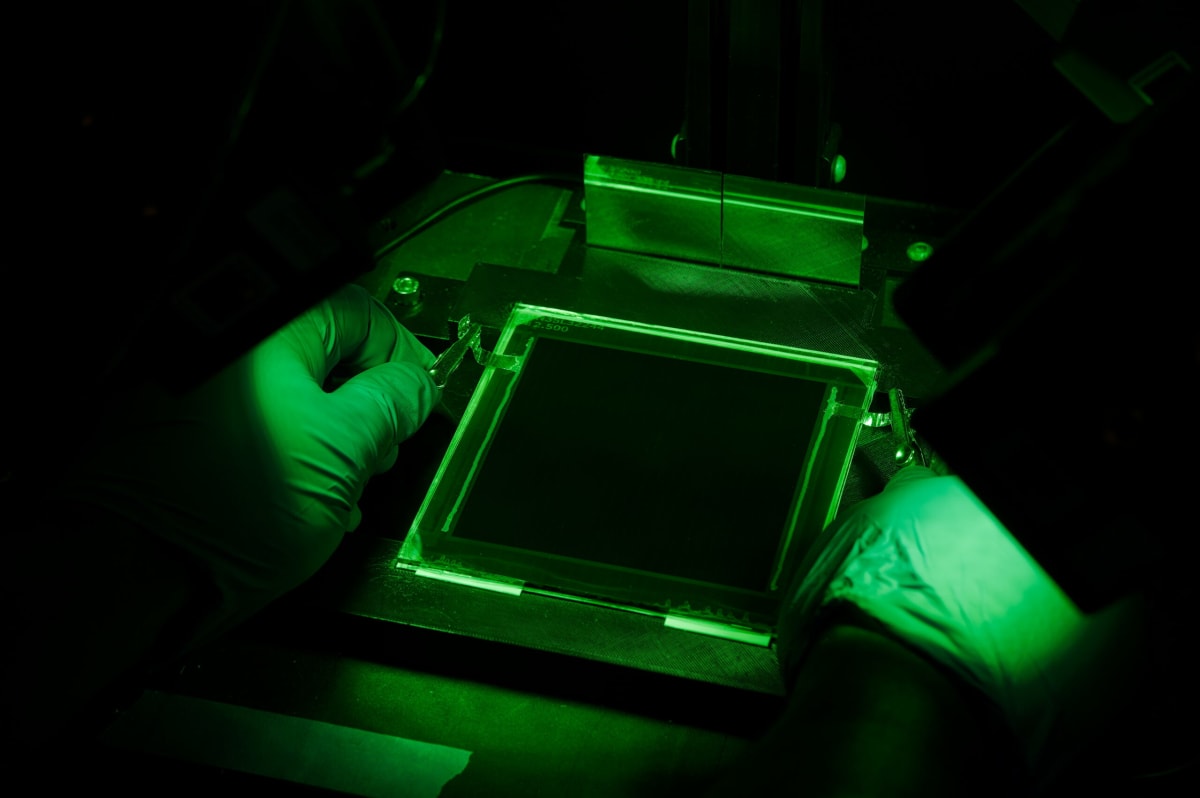
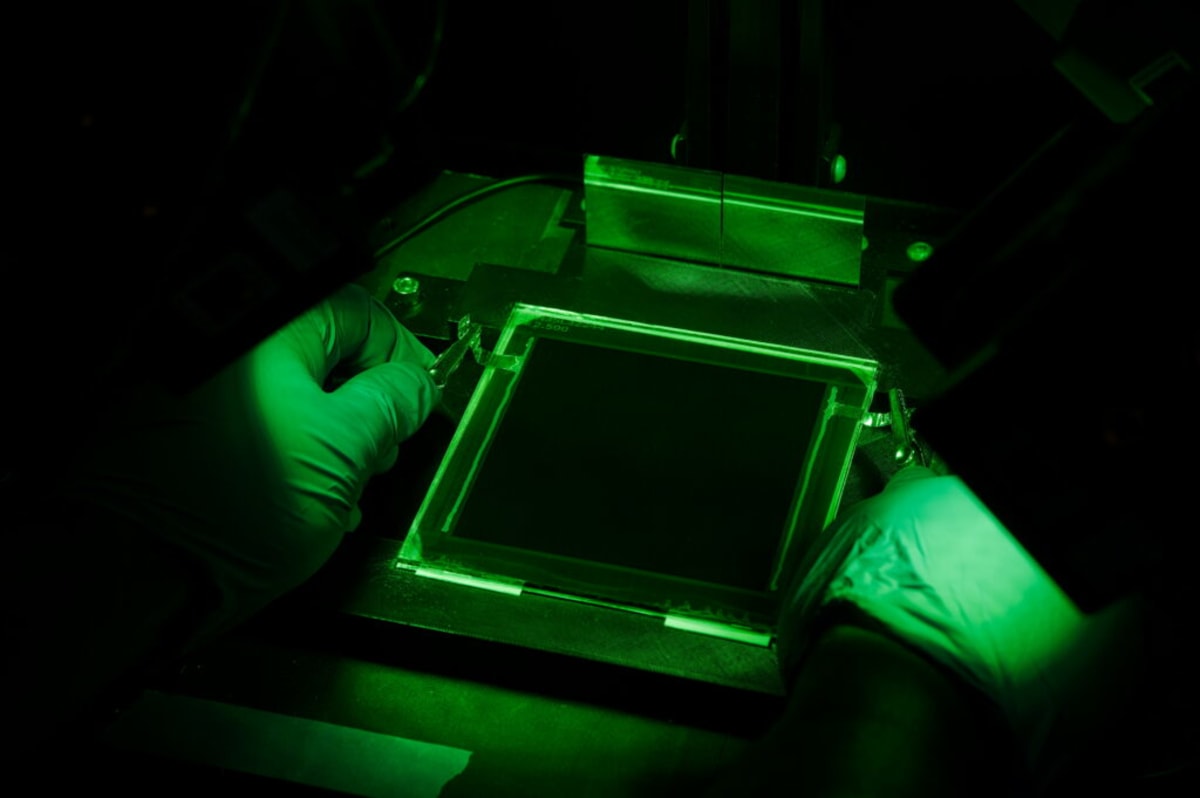
Tandem PV, a U.S. solar company, achieved 30.4% efficiency with a new demonstration panel that combines two different technologies. That might sound like a small number, but it's a huge deal in the solar world.
Here's why it matters: Most silicon solar panels top out around 25% efficiency. Tandem PV stacked a layer of perovskite glass on top of traditional silicon cells, allowing the panel to capture more of the sun's energy spectrum than either material could alone.
CEO Scott Wharton calls breaking the 30% barrier "a level of performance beyond where conventional silicon solar panels can realistically go." The company tested the achievement on a 100 square centimeter module, and it's now heading to third-party labs for official certification.
Unlike many solar records set in research labs, this design was built to scale up quickly. Wharton estimates full-sized panels rolling off production lines could hit 28% efficiency when they launch for solar farms in late 2026.
That translates to real-world impact. A 28% efficient panel would generate 12% more electricity than today's best silicon panels from the same surface area. For homeowners with limited roof space or solar farms with fixed land, that's a game changer.
The technology shows promising durability too. Accelerated testing suggests the panels degrade about 1% per year, close to the 0.59% rate of mature silicon technology and getting better with each iteration.
The Ripple Effect
What makes this breakthrough especially promising is its flexibility. Because Tandem PV's perovskite layer sits on top as glass rather than being integrated into the cell itself, the company can pair it with any type of silicon technology as the industry evolves.
"We can use really any cells," Wharton explained. Whether the next generation uses TOPCon, HJT, or PERC technologies, Tandem PV's approach adapts automatically. "Our products can naturally get better. We just have to sit back and watch the industry innovate."
The company also announced that former U.S. Energy Secretary Jennifer Granholm joined its board of directors. Her involvement signals confidence that this isn't just lab science but a technology ready for American manufacturing.
The timing couldn't be better as the country works to expand clean energy production and reduce electricity costs. More efficient panels mean more power from less space, which could accelerate solar adoption across residential, commercial, and utility-scale projects.
In two years, your next solar panel could be capturing nearly a third of the sun's energy, a threshold once thought impossible.
More Images


Based on reporting by PV Magazine
This story was written by BrightWire based on verified news reports.
Spread the positivity!
Share this good news with someone who needs it